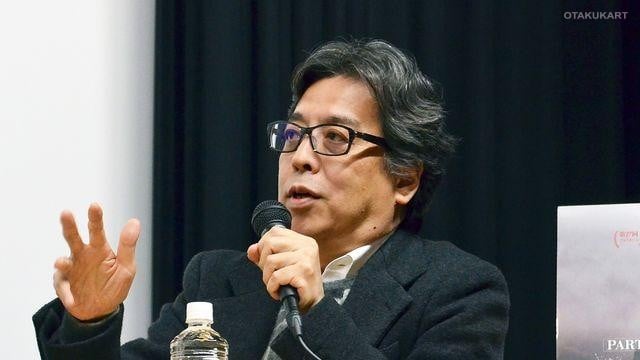
Japan’s anime industry is considering a new approach to recognising its animation achievements, with Toho executive Masaya Saito arguing that evaluating hundreds of annual releases requires collective industry participation. Speaking at a symposium organised by Tokyo Anime Next during TIFFCOM, Saito explained that Japan produces more than 300 television anime series and 80 animated films in a typical year, making it difficult for any individual to assess every release.
The proposed international anime award, expected to launch in 2027, could address this challenge through an industry-wide peer-review system. Rather than relying on a small group of judges to watch every production, the approach would bring together professionals with different areas of expertise to evaluate the work collectively.
Saito shared his views during the Toward the Launch of a New Anime Award in 2027 symposium, alongside representatives from Studio Chizu and A-1 Pictures. The discussion focused on how a new award could recognise Japanese animation while strengthening its international presence.
Toho Executive Explains Why Anime Needs Industry-Wide Peer Review
Saito believes the sheer volume of anime released each year makes collective evaluation necessary. According to him, peer review could also help professionals connect, exchange ideas, and learn from one another.
“Peer review can facilitate networking and provide mutual inspiration within the industry,” Saito said. He added that with more than 300 television series and 80 film releases annually, “no one can watch all of them,”
making it necessary for the industry to evaluate productions through a diverse group of participants.
The proposed system would therefore serve a purpose beyond selecting award winners. It could create opportunities for professionals across different studios and production roles to recognise work outside their immediate circles.
Saito also wants the award to help international viewers understand the scale and development of Japanese animation. He described anime as entertainment that has been adapted for audiences across different cultures and languages, adding that the award should help overseas viewers discover the productions Japanese audiences are already enjoying.
The symposium was a discussion of the proposed initiative rather than its official launch announcement. Tokyo Anime Next is expected to provide further details about the award in 2027.
Japanese Anime’s Cultural Identity Is Another Goal of the Proposed Award

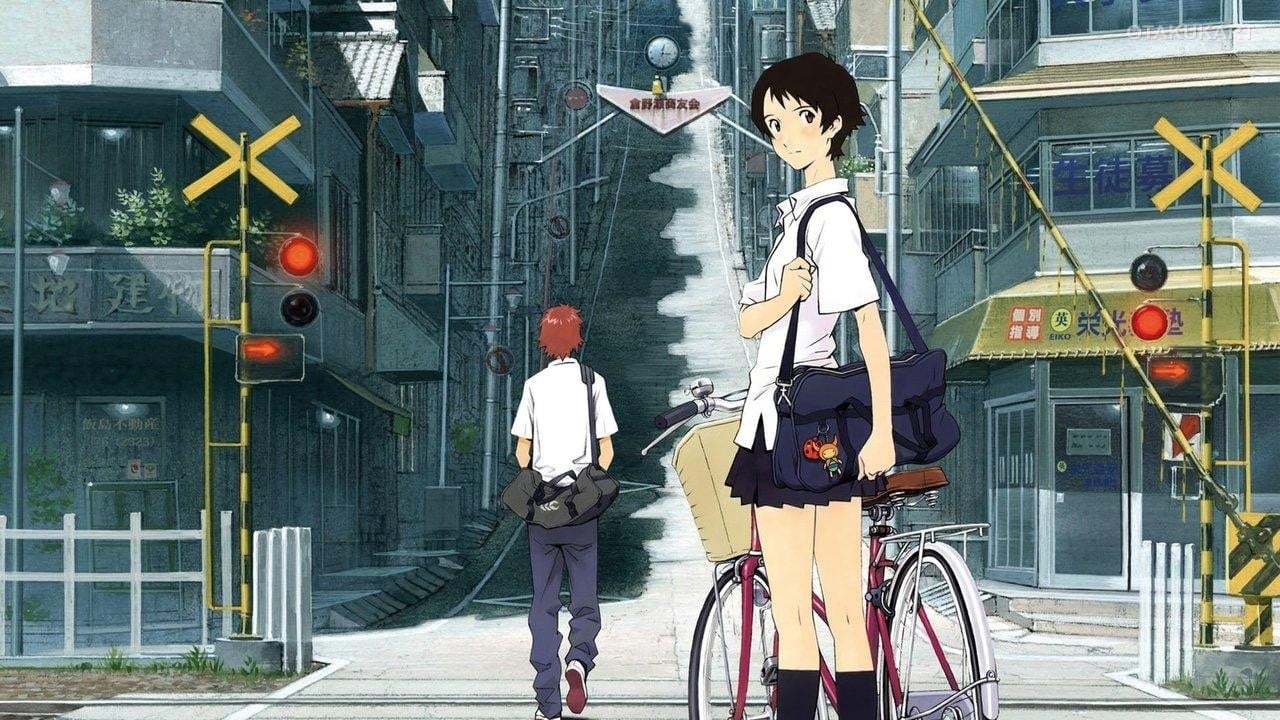
The award is also intended to explain what makes Japanese animation distinct in an increasingly international entertainment market. Studio Chizu producer Yuichiro Saito, known for working on The Girl Who Leapt Through Time, Summer Wars, and Wolf Children, argued that Japanese anime introduces a different cultural perspective to a global landscape largely shaped by European and American artistic traditions.
“If we say that [anime] is from Japan, from Asia, we interject a third element into this previously two-element world,”
Yuichiro Saito said. He hopes the proposed award will help communicate this identity to international audiences while showing how Japanese animation connects people across borders.
His comments also reflected the industry’s growing international community. Saito recalled how anime professionals came together to raise crowdfunding support following the California wildfires, describing the medium’s ability to connect people beyond national and cultural boundaries.
A-1 Pictures President Questions Whether Global Demand Could Limit Anime’s Diversity
A-1 Pictures president Akira Shimizu highlighted another challenge facing Japanese animation as it reaches more international viewers. He said fantasy and action productions have become popular on global streaming platforms, leading studios to receive more requests for similar projects.
“We’re often asked: ‘A-1 Pictures, can you please make a fantasy action work?’“
Shimizu explained. While he recognises the commercial appeal of these genres, he questioned whether studios should simply continue producing what international audiences already enjoy.
He argued that anime’s strength comes from its diversity of genres and visual styles, pointing out that romance and other categories also deserve opportunities to reach global viewers. Shimizu believes the proposed award could help communicate the creative skills, production techniques, and artistic decisions behind Japanese animation rather than focusing exclusively on popular titles.
New Anime Award Could Help Support the Next Generation of Creators
The panelists also discussed what they would like the award to achieve over the next decade. Masaya Saito suggested that anime projects should be evaluated not only for originality and emotional impact but also for their ability to support the people working in the industry.
He described this additional consideration as “industrial empathy,” arguing that awards should help nurture creators and encourage professional connections.
Shimizu similarly hopes the recognition will become something aspiring anime professionals can work toward. He said he wants people entering the industry to see the award as a meaningful goal for their careers.
The symposium was organised by Tokyo Anime Next at TIFFCOM on October 30 and moderated by Tokyo International Film Festival animation programming advisor Ryota Fujitsu. It was a discussion of the proposed initiative, rather than an official announcement of the award’s complete rules or judging structure. Tokyo Anime Next’s official programme describes the initiative as part of a new annual animation festival planned for 2027.