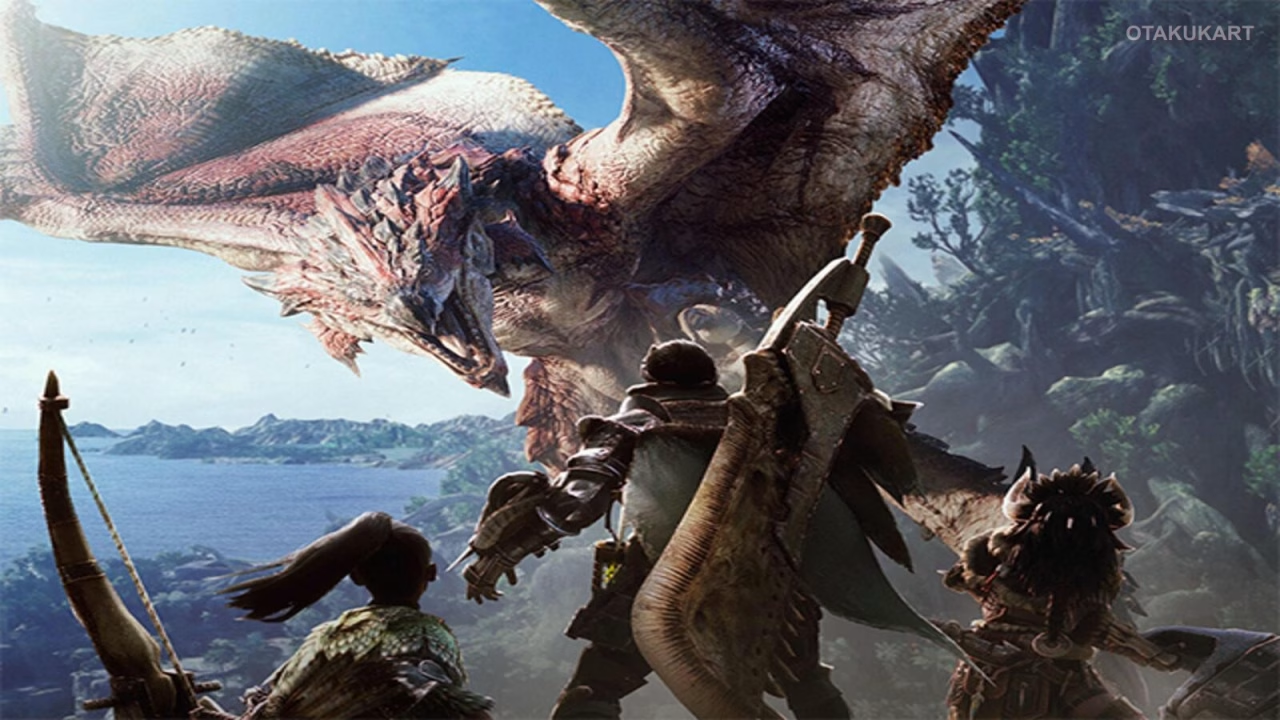
Capcom’s long-term success in the gaming industry is not just the result of iconic titles, but a deliberate shift in how those games are made. As the company celebrated its 43rd anniversary, president Haruhiro Tsujimoto shared new insights into a major internal restructuring that reshaped its development philosophy. In an interview with Famitsu, Tsujimoto explained that moving away from auteur-driven development was key to ensuring the longevity of Capcom’s biggest franchises.
The change marks a significant departure from traditional game development models, where a single visionary creator often defines a series. Capcom’s decision to move toward a collaborative, team-led approach has allowed it to consistently release new entries in major franchises without being tied to one individual’s direction. This strategy has directly impacted the continued success of series like Monster Hunter, Resident Evil, and Street Fighter.
Capcom Identified the Risks of Creator-Driven Development
According to Tsujimoto, Capcom once followed a model where major titles depended heavily on individual developers. While this allowed for strong creative direction, it also created long-term uncertainty for ongoing franchises. He explained in the Famitsu interview that
“when a title becomes a series, it often ends up depending heavily on a particular developer,”
adding that without that person, future installments could stall or lose direction.
This reliance became increasingly problematic as Capcom grew into a global publisher with responsibilities to shareholders and a need for consistent output. The company began to recognize that tying major intellectual properties to specific individuals could limit scalability and create risks if those creators left. Tsujimoto noted that internal discussions with key developers ultimately led to a consensus that the approach needed to change.
Capcom’s solution was to rebuild its development structure around collaborative teams rather than individual leadership. Tsujimoto described the transition as a fundamental reset, stating,
“We discussed the issue with the central figures behind each franchise and ultimately agreed that we should abandon that approach.”
He added that each project would essentially be rebuilt from the ground up under a team-based framework, even if it meant short-term challenges.
The company accepted that sales might temporarily decline during the transition, but prioritized long-term sustainability instead. This shift allowed development knowledge to be shared across teams, ensuring that expertise would not be lost when individuals moved on. Over time, this created a more stable production pipeline and helped Capcom maintain a consistent release schedule for its biggest franchises.
How the New Model Supports Long-Term Success
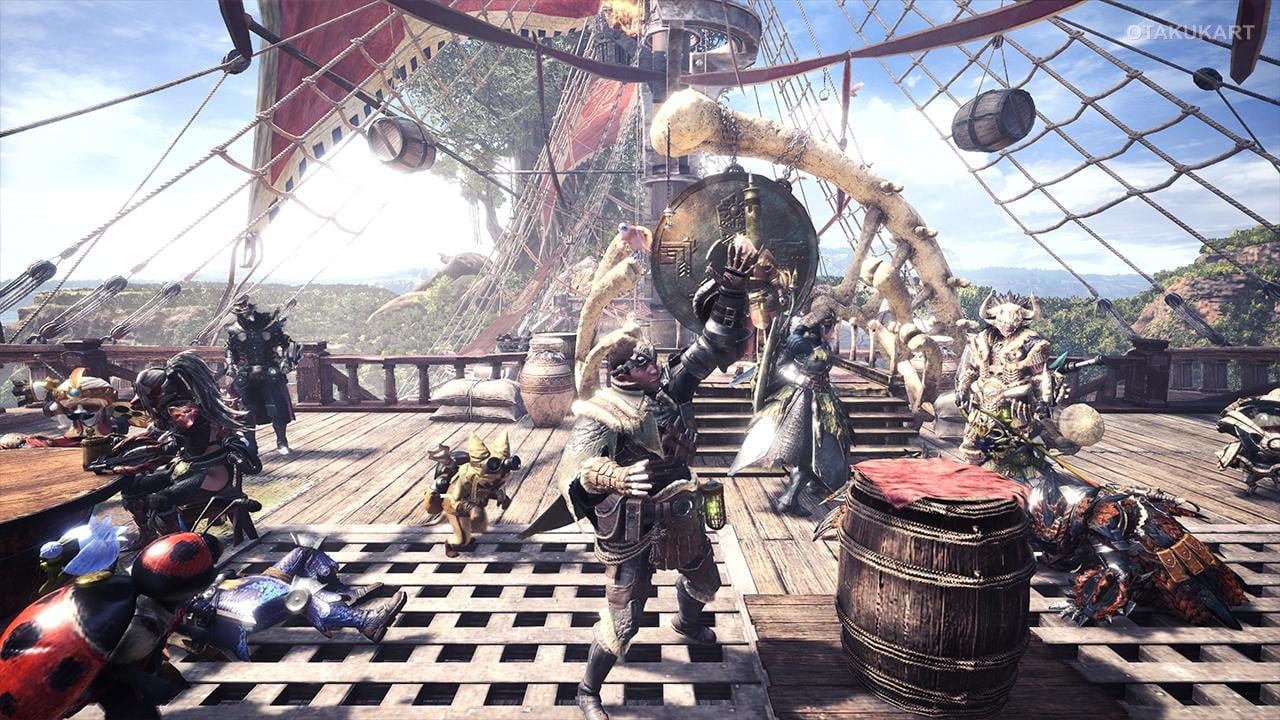
The impact of this change is evident in Capcom’s modern lineup. The company has continued to deliver successful entries across its flagship series while also experimenting with new projects. By distributing creative responsibilities, Capcom has ensured that its franchises can evolve without being dependent on a single vision.
This approach also allows for smoother generational transitions within development teams. Knowledge, tools, and design philosophies are passed down internally, creating continuity across sequels. Tsujimoto emphasized that this structure is just as important for new IPs, pointing to upcoming projects as examples of how the system supports innovation alongside stability.
Industry Debate Around Creativity vs Stability
Capcom’s shift reflects a broader conversation within the gaming industry about the balance between creativity and sustainability. Creator-driven games associated with figures like Hideo Kojima or Yoko Taro often build strong identities, but they can be difficult to maintain without those creators. From a corporate perspective, this creates uncertainty around long-term planning.
At the same time, some developers have expressed concern about the industry becoming too product-focused. Former Capcom developer Hideki Kamiya has previously criticized this shift, arguing that it risks losing the unique creative voices that define standout games. His move to establish a new studio reflects ongoing efforts within the industry to preserve creator-driven experiences.