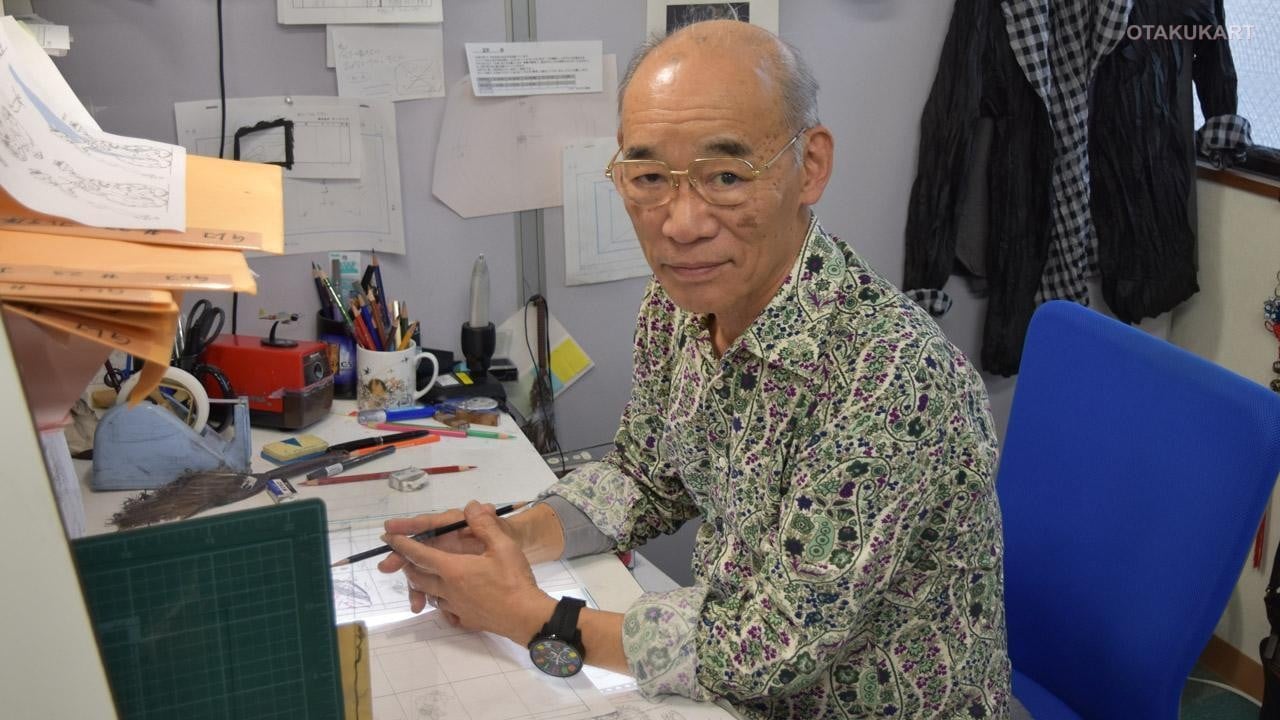
Mobile Suit Gundam creator Yoshiyuki Tomino has offered a sharp critique of modern anime and filmmaking, arguing that technological advances have sometimes come at the expense of strong direction and storytelling.
In a recent interview following his receipt of the Order of the Rising Sun, the veteran director questioned whether today’s digitally produced films still create the same feeling of discovery that once defined the medium.
Tomino’s comments were reported by AUTOMATON, which cited his interview with Kyodo News. His criticism centers less on technology itself and more on how filmmakers choose to use it.
Tomino Says Modern Filmmakers Rely Too Much on Technology
According to Tomino, modern digital production tools can make it easier to create spectacular imagery, but impressive visuals alone do not necessarily constitute good direction. He argues that filmmakers sometimes focus so heavily on displaying what technology can accomplish that the story and audience experience become secondary.
“In the digital age, there are people who just shoot panoramic images without an actual story and just call them ‘movies.’ What I want to say is – that’s not directing.”
Tomino believes this can also affect anime productions that heavily emphasize CG. Rather than allowing technology to serve the narrative, he says some projects appear eager to showcase their technical achievements simply because those tools are available.
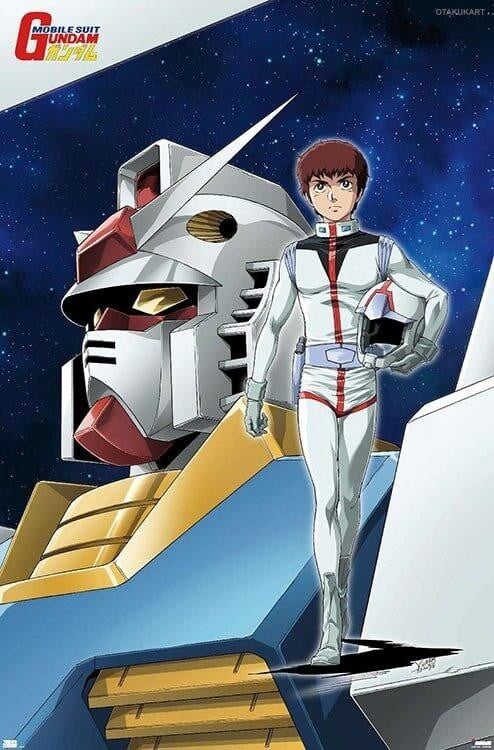
The veteran director believes this has contributed to the loss of what he calls a “sense of wonder.” For Tomino, that feeling can come from deliberately controlling what viewers see and making them actively search the frame for characters or important details.
He explained that older filmmaking techniques could alternate between conventional shots and expansive compositions, encouraging audiences to follow characters through large environments. That process of discovery, rather than simply displaying everything clearly, helped create immersion.
High-Resolution Images Are Not Always Better
Tomino also questioned the modern obsession with increasingly detailed visuals. He argued that filmmakers can sometimes become too dependent on cameras and image quality, creating shots that reveal details audiences may not actually need to see.
His criticism extends to close-ups, where extremely high-resolution imagery can expose details such as skin pores. For Tomino, greater visual clarity does not automatically make a scene more effective if it distracts from the drama.
The director expressed similar reservations about generative AI, acknowledging that the technology is becoming increasingly convenient while questioning whether creators always know when it is appropriate for a particular dramatic scene.
Tomino believes the crucial skill remains the director’s judgment. Even with powerful tools capable of producing almost any image, someone still needs to determine whether that image strengthens the story.
His concerns echo broader comments he has made about how audiences and creators engage with Gundam. Earlier this year, Tomino criticized some fans for focusing primarily on the series’ military elements rather than its anti-war themes.
Despite his criticism of modern filmmaking, Tomino is not stepping away from the medium. The Gundam creator is currently developing another project and has suggested that, if given the opportunity to produce it, he believes it could become a masterpiece.