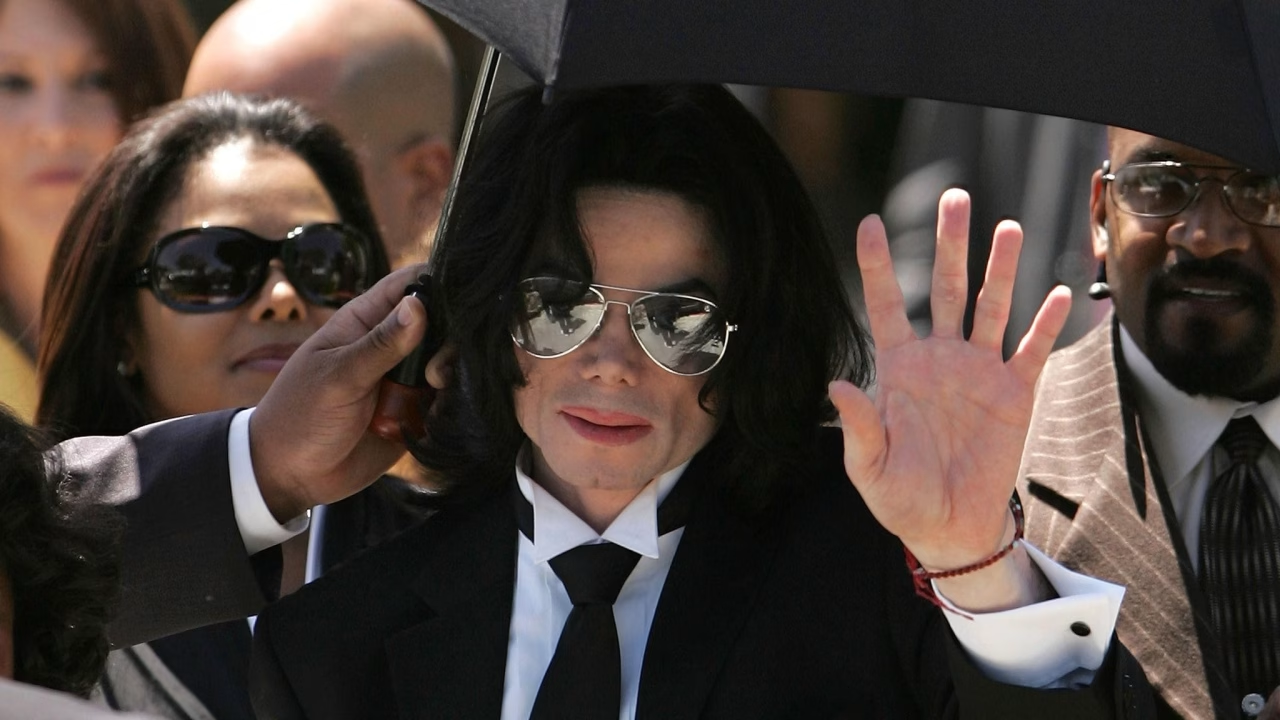
A new Netflix docuseries is bringing renewed attention to one of the most controversial periods in the life of Michael Jackson, with fresh claims about his actions during the 2005 criminal investigation. Titled Michael Jackson: The Verdict, the three-part documentary revisits the child molestation trial that ended in acquittal but continues to spark debate years later.
Among its most talked-about revelations is an allegation that Jackson was not at his Neverland Ranch when authorities conducted a high-profile raid, but was instead hiding in Las Vegas. The claim, featured prominently in the documentary, has quickly become a focal point for viewers revisiting the case.
Where Was Michael Jackson During the Neverland Raid?
The Netflix docuseries explores the timeline surrounding the raid on Neverland Ranch, a key moment in the investigation. While media coverage at the time focused heavily on the property search, the documentary raises questions about Jackson’s absence.
According to investigative journalist Diane Dimond, who appears in the series, Jackson was allegedly staying in a private villa in Las Vegas during the raid. She claims he remained there for several days, largely isolated from public view.
“I find out from a source, he’s holed up in this villa,”
Dimond says in the documentary, describing how the singer reportedly avoided contact while the investigation intensified.
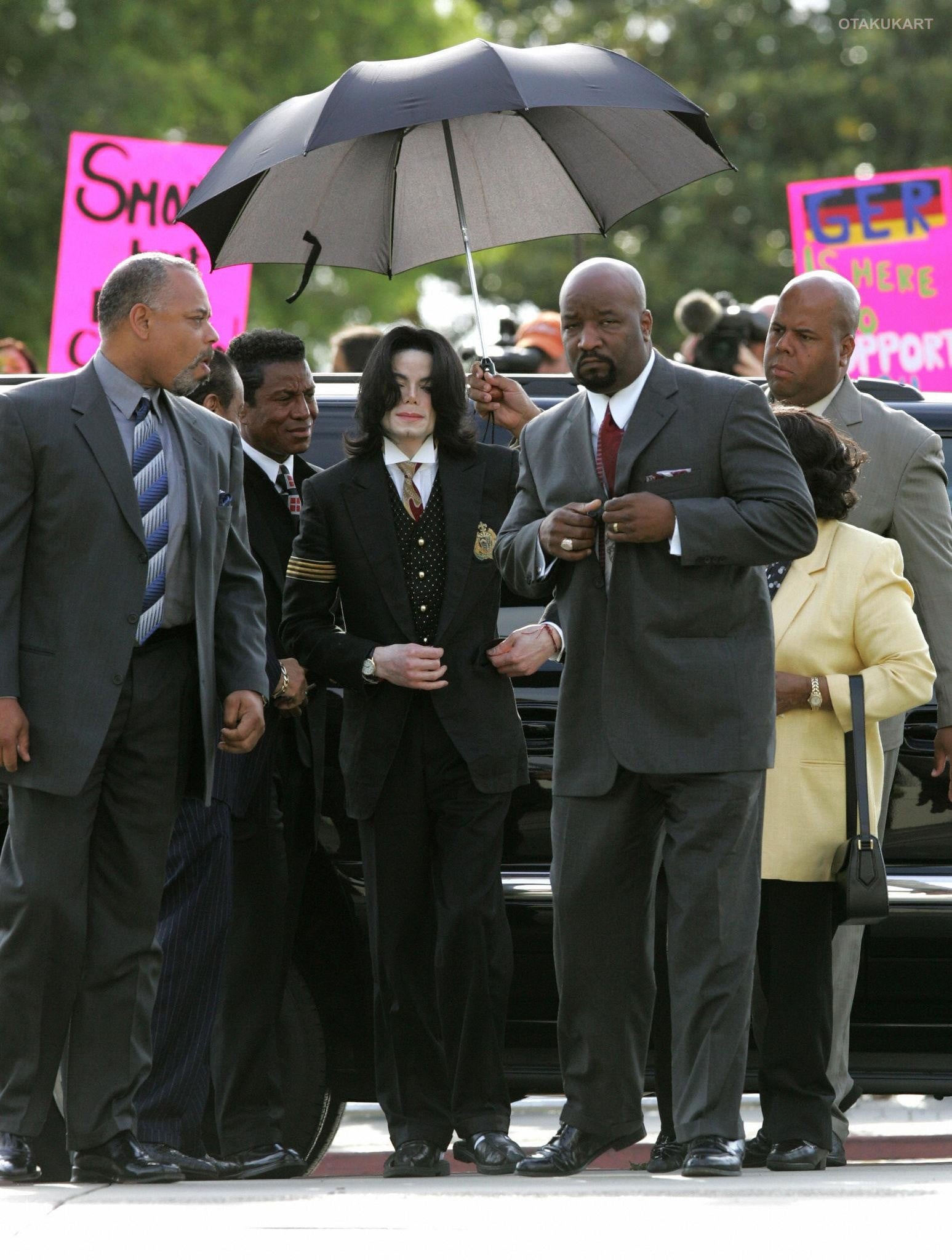
Claims of Isolation and Unusual Behavior
The documentary goes further by detailing what allegedly took place during Jackson’s time in Las Vegas. Dimond claims the singer only briefly opened the door to receive food deliveries before retreating back inside, suggesting a period of seclusion.
More controversially, the film alleges that Jackson hosted gatherings at the villa during this time. The setting is described as chaotic, with signs of heavy activity inside the residence, including empty bottles and damage to furniture.
These claims are presented as part of the broader narrative surrounding the investigation, offering a different perspective on Jackson’s actions while authorities were searching his home.
A New Lens on the 2005 Trial
Michael Jackson: The Verdict revisits the 2005 trial in which the singer was accused of molesting a minor but was ultimately found not guilty on all counts. The documentary includes interviews with legal experts, journalists, and individuals connected to the case, aiming to provide a more detailed look at the events leading up to the verdict.
The series uses archival footage, including law enforcement recordings and courtroom insights, to reconstruct the timeline. By focusing on moments like the Neverland raid and Jackson’s alleged absence, it attempts to highlight aspects of the case that were not fully understood at the time.
Controversy and Ongoing Debate
The release of the documentary has reignited discussions about Jackson’s legacy and the allegations against him. While the trial ended in acquittal, public opinion has remained divided, with new documentaries continuing to shape the conversation.
It is important to note that the claims presented in The Verdict are based on interviews and testimonies featured in the film. As with many true-crime documentaries, these accounts may be subject to interpretation and have not been independently verified in all cases.
The renewed attention reflects the enduring impact of the case, as well as the continued demand for content that revisits high-profile controversies.