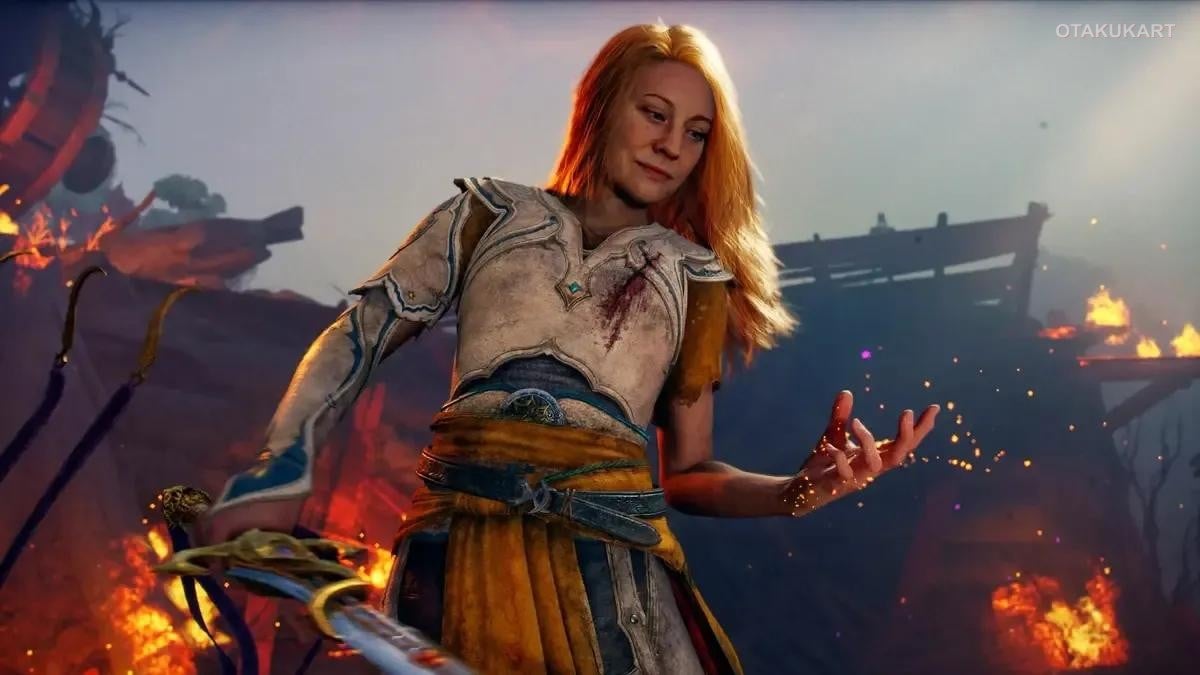
The reveal of God of War: Laufey has ignited widespread discussion across the gaming community, largely due to the decision to place Faye (Laufey), Kratos’ wife, at the center of the story instead of the long-running protagonist. As reported by Evan Morris Games Gaming News, the shift represents one of the boldest narrative changes in the franchise’s modern era, following the Nordic saga established in God of War (2018) and Ragnarök.
Creative director Cory Barlog previously described Faye as “the anchor to the rebirth of where we were going with the franchise,” emphasizing her long-standing narrative importance despite never appearing fully on-screen until now.
Why Faye’s Role Changes the Core of God of War
In earlier entries, Faye’s presence shaped the emotional foundation of Kratos and Atreus’ journey, including her final wish to have her ashes scattered from the highest peak in the realms. Her introduction as a playable protagonist now shifts the perspective of events that occurred alongside God of War (2018) and Ragnarök.
Developers are also expected to explore new gameplay dynamics through Faye’s combat style, which is described as more fluid and less rigid than Kratos’ traditional approach. This narrative pivot is intended to expand the mythological world further into new pantheons, including Egyptian and Nordic influences.
The reveal has not been universally welcomed. Some critics, including former God of War director David Jaffe, called the concept “really f***ing goofy,” highlighting skepticism about removing Kratos from the central role. However, much of the criticism appears tied to broader concerns about franchise identity rather than gameplay mechanics alone.
Online reactions also included polarized commentary around Faye’s role as a female protagonist. While some responses focused on narrative direction, others devolved into gender-based criticism, reflecting ongoing cultural tensions in gaming communities.

Franchise Evolution vs Fan Expectations
Analysts note that God of War: Laufey follows a pattern seen in other major PlayStation franchises, where legacy characters are temporarily replaced to explore new perspectives. Comparisons have been drawn to Marvel’s Spider-Man: Miles Morales, where shifting protagonists allowed for expanded storytelling and mechanics.
However, the absence of Kratos remains a major point of concern for long-time fans, as the character has defined the franchise for nearly two decades.
A Defining Moment for the Series
Ultimately, God of War: Laufey sits at the intersection of narrative experimentation and audience expectation. Whether the shift to Faye succeeds will depend on execution rather than controversy, as players evaluate both gameplay innovation and storytelling depth.
As the report from Evan Morris highlights, the debate surrounding the game reflects a broader industry trend where character transitions often become cultural flashpoints. The final reception will likely depend on whether Santa Monica Studio can balance franchise legacy with meaningful evolution.
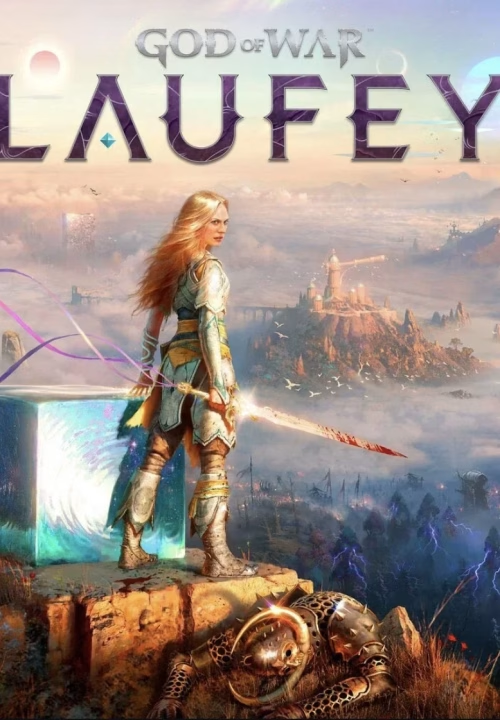
| Platforms | PlayStation 4, PlayStation 5 |
|---|---|
| Developer | Santa Monica Studio |