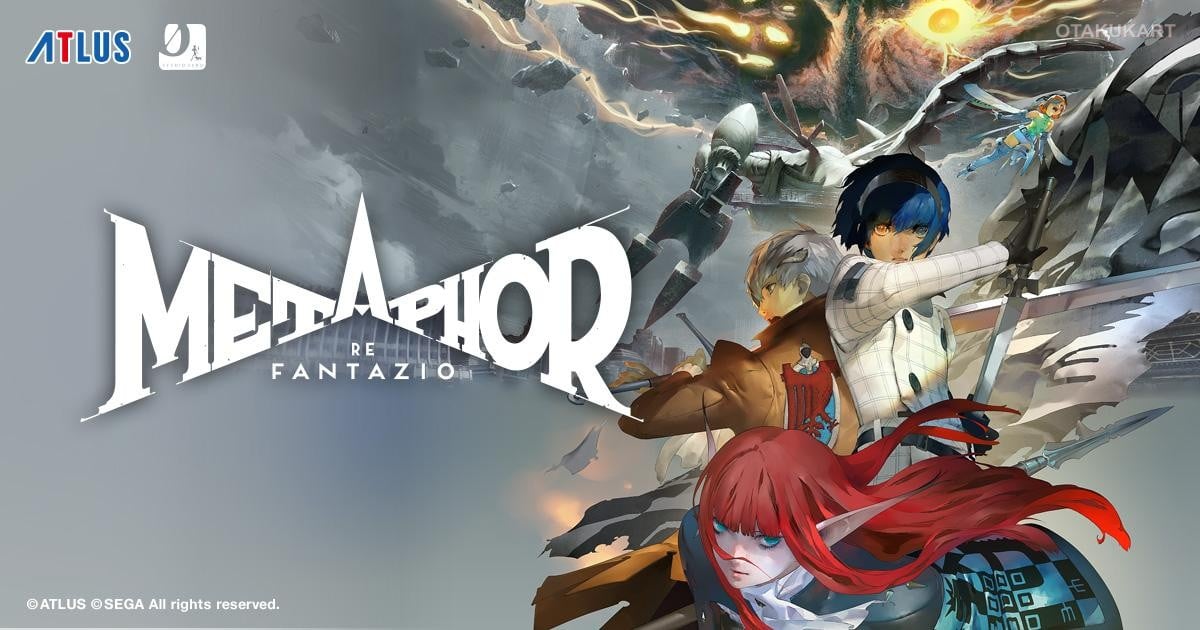
Metaphor: ReFantazio is one of Atlus’ most ambitious role-playing games, and its arrival on Nintendo Switch 2 makes its expansive fantasy adventure accessible in a portable format. Developed by Studio Zero, the RPG combines the character-driven storytelling associated with the modern Persona games with the strategic combat and class-based progression of the Shin Megami Tensei series.
After spending time with the Switch 2 version, what stands out most is how well the game’s different elements work together. Its imaginative world, memorable cast, rewarding combat, and meaningful themes make it an excellent RPG. The port does have some technical limitations, but they rarely take away from the appeal of the adventure.
A fantasy world with more to say than its setting suggests
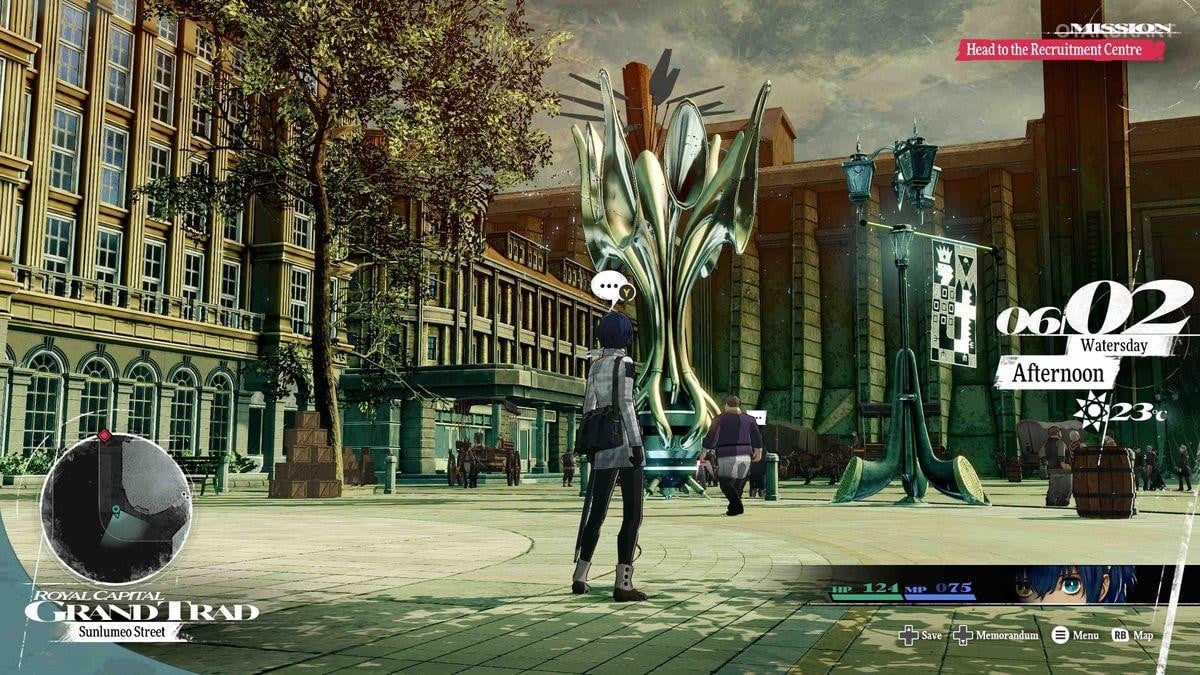
The kingdom of Euchronia provides the foundation for a story that explores discrimination, social inequality, political manipulation, and the meaning of leadership. Rather than treating these subjects as background details, the game incorporates them into its central narrative and the conflicts experienced by its characters.
The writing is one of the game’s greatest strengths. Different characters have their own motivations, personal struggles, and perspectives, giving the world a sense of depth beyond the main storyline. The supporting cast is particularly enjoyable, with individual character stories adding emotional weight to the larger adventure.
The antagonist also makes a strong impression through his presence, ambitions, and dialogue. The game’s willingness to explore complicated motivations makes its central conflict more interesting than a conventional battle between good and evil.
What makes the storytelling especially effective is how its fantasy setting reflects ideas that remain relevant outside the game. Its commentary on prejudice, power, and social divisions gives players plenty to think about without sacrificing the appeal of its fictional world.
Archetypes make combat incredibly rewarding
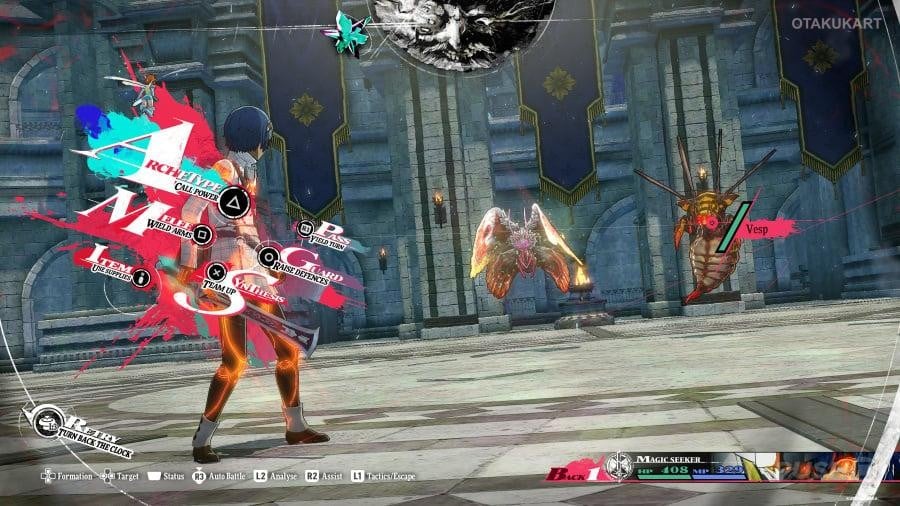
The combat system is another major highlight. Metaphor: ReFantazio introduces the Archetype system, which allows characters to adopt different classes and develop abilities according to their roles in battle.
This gives progression a welcome level of flexibility. Players can experiment with different Archetypes, develop character strengths, and transfer selected skills to create combinations that suit their preferred approach.
Battles use a turn-based system inspired by the Press Turn mechanics from the Shin Megami Tensei franchise. Exploiting an enemy’s weakness can provide additional actions, while missing attacks or using ineffective abilities can cost valuable turns. This makes preparation and decision-making important without making combat feel unnecessarily complicated.
The ability to engage enemies directly in the field also makes exploration more dynamic. Combat feels satisfying, challenging, and closely connected to the game’s progression systems.
A striking art direction brings Euchronia to life
Atlus has always placed considerable importance on presentation, and this release continues that tradition. The menus, character illustrations, battle transitions, and environmental designs give Metaphor: ReFantazio a distinctive visual identity. Its art direction combines vibrant colours with unusual creature designs, creating a fantasy world that feels different from the developer’s previous RPGs.
The soundtrack deserves equal praise. Shoji Meguro delivers memorable compositions that complement the game’s atmosphere, while the battle music gives encounters an additional layer of energy. The presentation remains one of the strongest reasons to spend dozens of hours exploring Euchronia.
The Nintendo Switch 2 version also makes the experience more convenient for players who prefer handheld gaming. Being able to continue such a substantial RPG away from the television is a major advantage, particularly when its calendar-based structure encourages players to return regularly.
Nintendo Switch 2 performance has some noticeable compromises
The port’s biggest weakness is its technical performance. Atlus provides three graphics priority options: Performance, Balanced, and Graphics. These modes allow players to choose between smoother performance, improved visual quality, or a compromise between the two. They are available in both handheld and docked play.
The October Prologue Demo only included Balanced Mode, so the additional options give the final release more flexibility. However, changing presets does not completely eliminate performance fluctuations. The Performance setting sacrifices some visual clarity, while Graphics prioritises presentation at the cost of more noticeable frame-rate drops. Balanced offers a useful middle ground, although performance can still vary depending on the area.
This is disappointing because the game’s visual identity deserves to be experienced at its best. Some environmental details and textures do not look as clean as they do on more powerful hardware. Nevertheless, the character artwork, menus, and combat presentation remain impressive on the handheld screen.
There are also a few pre-launch technical issues worth mentioning. A launch-day update is planned to address a rare crash that can occur after the game has been suspended for extended periods. A minor texture issue can also appear after prolonged continuous play, with a restart resolving it. Atlus has indicated that another update is planned to address the latter issue. The Traveller’s Voice feature is also unavailable before launch.
Verdict: A fantastic RPG that deserves a place in every JRPG fan’s collection
Metaphor: ReFantazio remains an outstanding RPG, and the Nintendo Switch 2 version preserves almost everything that made the original adventure special. Its writing, character development, combat mechanics, soundtrack, and visual identity make it an easy recommendation for fans of Atlus games.
The technical shortcomings prevent this port from being the definitive way to experience the game, but they do not diminish the quality of Studio Zero’s work. The ability to enjoy such a massive adventure in handheld mode is a significant advantage, and the three graphics presets provide some welcome flexibility.
Atlus has delivered an excellent RPG experience that feels particularly suited to Nintendo Switch 2. With further performance improvements, this could become an even better way to experience one of the studio’s finest games.
The Good
- Excellent storytelling with meaningful themes and memorable characters.
- Flexible Archetype system encourages experimentation and strategic combat.
- Beautiful art direction, stylish menus, and an outstanding soundtrack.
- Portable access to a massive, content-rich JRPG adventure.
The Bad
- Performance fluctuations remain noticeable across graphics modes.
- Some textures and environmental details lack visual clarity.