Hirokazu Kore-eda’s Look Back has made an encouraging start with critics following its world premiere at the 2026 Venice Film Festival. The live-action adaptation of Tatsuki Fujimoto’s acclaimed one-shot manga currently holds a 93% Tomatometer score on Rotten Tomatoes, placing it among the better-reviewed films from this year’s festival.
The response gives the movie an important early boost as it begins its international festival run. It also puts greater attention on Kore-eda’s decision to bring a story previously adapted as a celebrated anime film into live action.
Kore-eda Brings Fujimoto’s Manga to Live Action
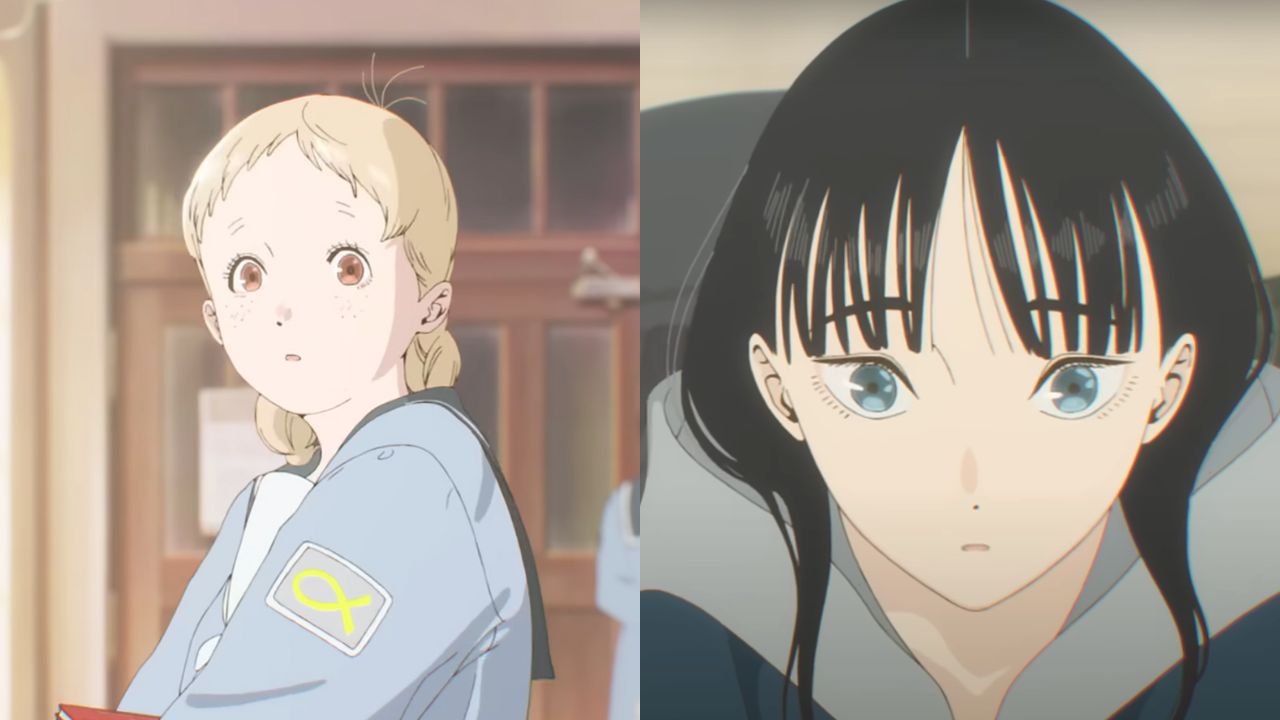
Look Back centers on Fujino, an outgoing young artist who enjoys drawing manga for her school newspaper. Her confidence is challenged when she encounters Kyomoto, a reclusive classmate whose artwork demonstrates extraordinary talent.
The two girls initially approach each other through their artistic abilities, but their relationship gradually develops into a close friendship built around their shared passion for manga. The story follows their creative journey over 13 years while examining ambition, loss, artistic growth, and the relationships that shape creative people.
The 2026 movie is directed, written, and edited by Kore-eda, with Natsuki Deguchi playing Fujino and Aju Makita portraying Kyomoto. Furi Nanase and Rokka Okada play the younger versions of the two characters.
What Critics Are Saying About Look Back
Rotten Tomatoes currently lists Look Back at 93% from critics, based on reviews collected following its Venice premiere. The score places the movie among the stronger-reviewed titles in the festival’s early rankings.
Several reviews have particularly praised Kore-eda’s ability to preserve the emotional foundation of Fujimoto’s manga. Vulture described the adaptation as faithful to the source material while highlighting Kore-eda’s emphasis on patience, silence, and the evolving relationship between the two artists.
Variety critic Jay Weissberg, whose review is highlighted by Palace Films, praised the movie’s emotional payoff, suggesting that its strongest moments eventually achieve a sense of transcendence.
Why the Director Chose This Story
Kore-eda has explained that his connection to Look Back began when he noticed Fujimoto’s manga at a bookstore in Shinagawa Station. According to his director’s statement for the Venice Film Festival, he read the work in one sitting and felt the author’s determination behind it.
“I felt with a searing clarity that author Tatsuki Fujimoto simply couldn’t move forward without creating this work.”
That personal reaction helps explain why the adaptation focuses so heavily on the creative process. Kore-eda also chose to film the story across the four seasons of Japan’s Tohoku region, using the changing environment to reflect the characters’ passage through childhood and adolescence