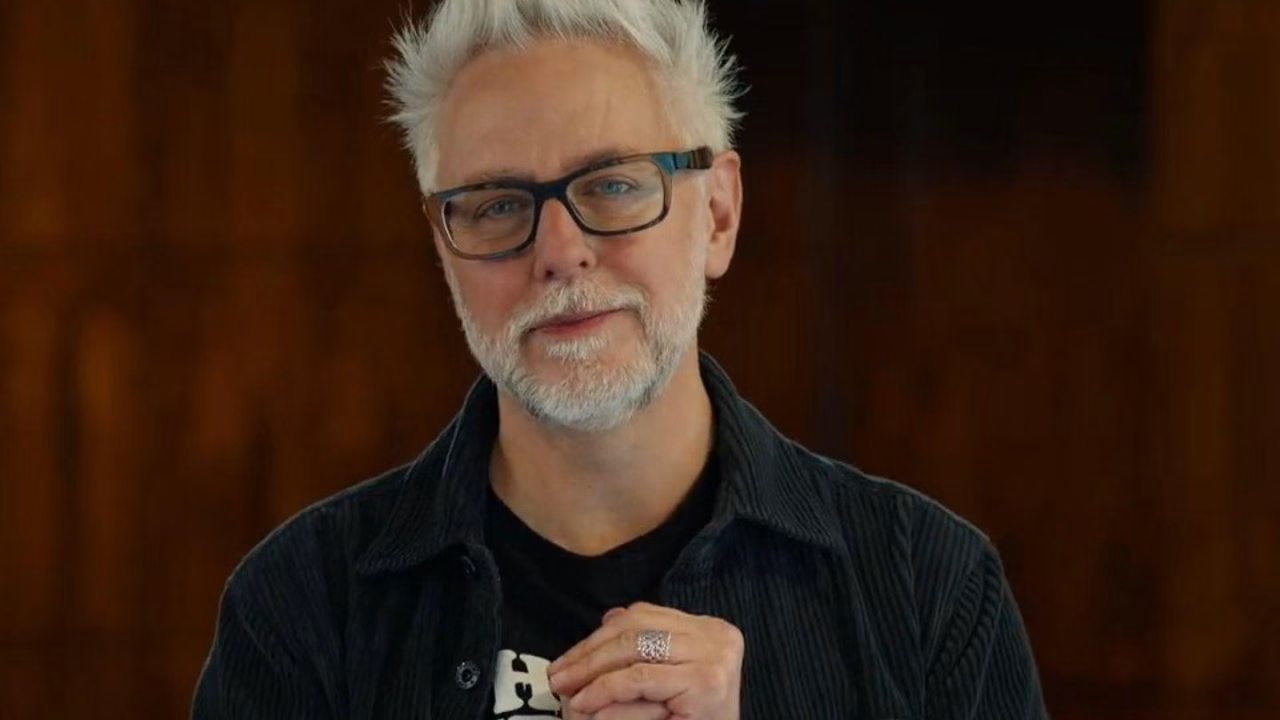
James Gunn’s upcoming appearance at Crunchyroll’s inaugural Anime Future Forum has sparked backlash from a section of the anime community, with social media users voicing concerns about Hollywood becoming more involved in Japanese animation. The invite-only event will take place in New York on October 7 and is expected to bring together more than 400 industry figures.
The forum will feature executives and creators connected to major Japanese companies including MAPPA, Toho, Shueisha, and Aniplex, while Gunn and Guillermo del Toro are among the high-profile Hollywood participants. The Hollywood Reporter [source link] confirmed the initial speaker lineup and described the event as a major meeting focused on anime’s future.
Why James Gunn’s Appearance Has Divided Anime Fans
Some fans reacted negatively to Gunn’s involvement, with one widely circulated response saying,
“Leave the anime to the Japanese thanks.”
The backlash appears to be driven less by Gunn’s personal interest in anime and more by fears that increased Hollywood involvement could lead to Japanese properties being changed for Western audiences.
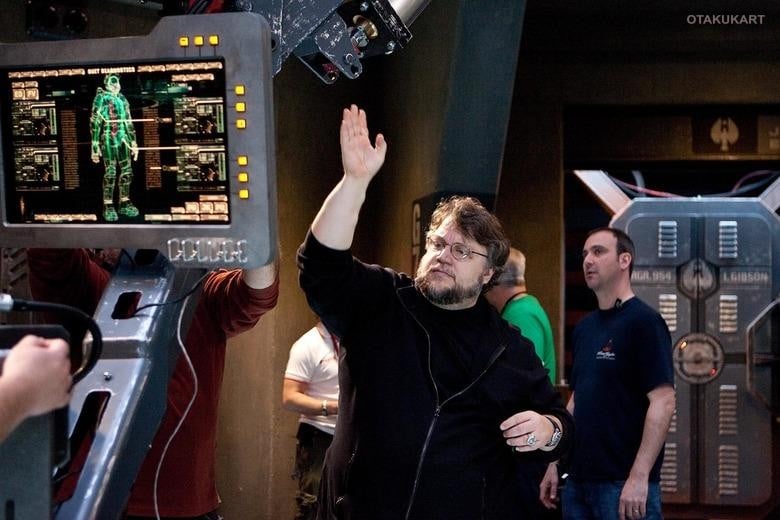
Guillermo del Toro has received a noticeably warmer reaction. Many fans point to his long-standing admiration for Japanese animation, manga, kaiju stories, and filmmakers such as Hayao Miyazaki and Satoshi Kon. Gunn, meanwhile, has previously expressed appreciation for works including A Silent Voice, Perfect Blue, and Paprika, but some viewers remain skeptical about why the head of DC Studios is being positioned at an anime industry summit.
The debate also reflects broader concerns about Hollywood adaptations of Japanese properties. While productions such as Netflix’s One Piece have earned praise, several other live-action adaptations have faced criticism, making some fans wary of further Western influence.
Crunchyroll has not yet revealed the specific subject Gunn will discuss at the Anime Future Forum. For now, the announcement has already turned his appearance into one of the event’s biggest talking points, highlighting the ongoing debate over how anime should expand globally while preserving its Japanese creative identity.