
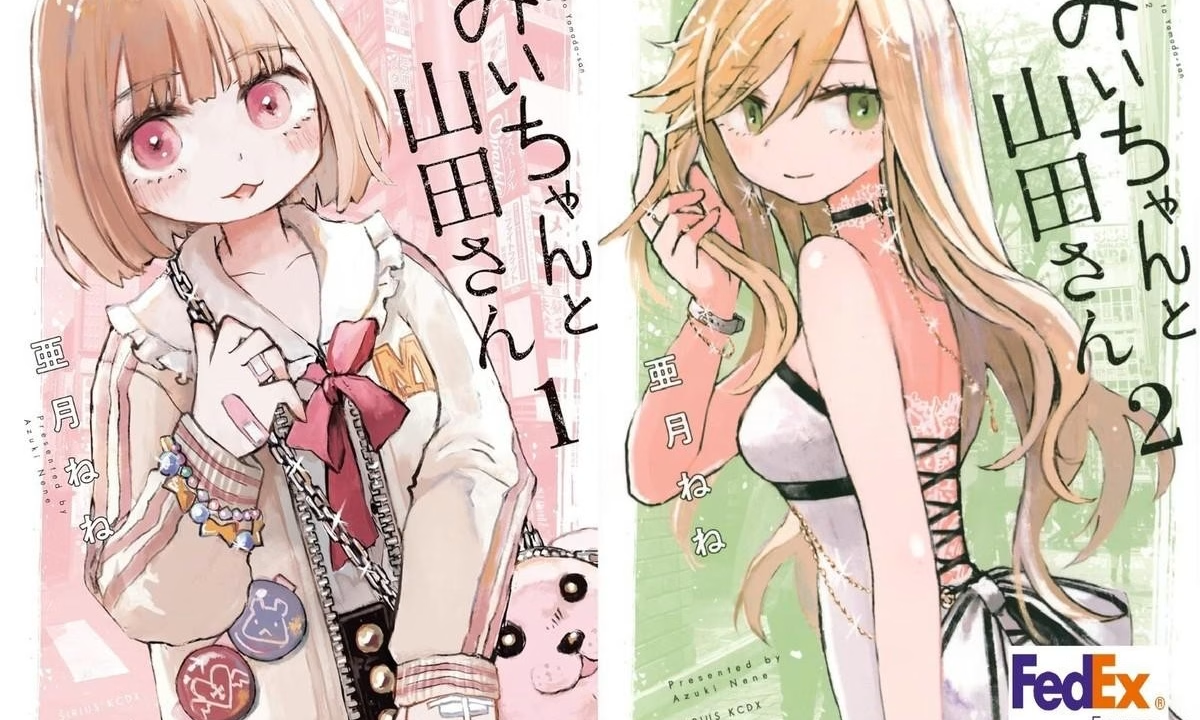
The future of the upcoming Mii-chan and Miss Yamada anime adaptation has become uncertain after publisher Kodansha reportedly began reconsidering the project following objections from Japanese advocacy organizations. The discussions include whether the adaptation should proceed at all, marking a significant change from the production committee’s earlier position that it intended to move forward.
According to AUTOMATON WEST, Kodansha communicated its latest position to the Association for Protecting Vulnerable Children and Adults on October 30. The organization had submitted a formal petition to the publisher and production committee on October 5.
In its response, Kodansha acknowledged that the discussion surrounding the adaptation had raised issues requiring further consideration. The publisher also confirmed that it and other production committee members were discussing whether to continue with the anime.
The company reportedly stated,
“We have no intention of moving forward with the anime adaptation without first addressing the opinion papers and requests submitted by your organization and the three aforementioned groups.”
Advocacy Groups Raise Concerns About Disability Representation
The controversy began following the anime announcement on July 26, 2026. Several organizations and members of the Japanese public questioned whether the original manga’s depiction of intellectual and developmental disabilities could reinforce harmful stereotypes.
The Association for Protecting Vulnerable Children and Adults argued that the narrative risks portraying people with disabilities as inherently troublesome and vulnerable to sexual exploitation. The group also questioned promotional merchandise depicting Mii-chan in a distressed and partially undressed state, arguing that it commercializes the character’s suffering.
The concerns extend beyond the fictional story. Advocacy groups have also highlighted how the name “Mii-chan” has reportedly been used as a derogatory expression targeting people with intellectual or developmental disabilities in real life.
The concerns were also raised by the National Association of Parents’ Associations for Persons with Intellectual Disabilities, which published an opinion statement on August 19. The organization clarified that it does not oppose anime adaptations as a whole but wants the production to address the potential impact of its portrayal of people with intellectual disabilities.
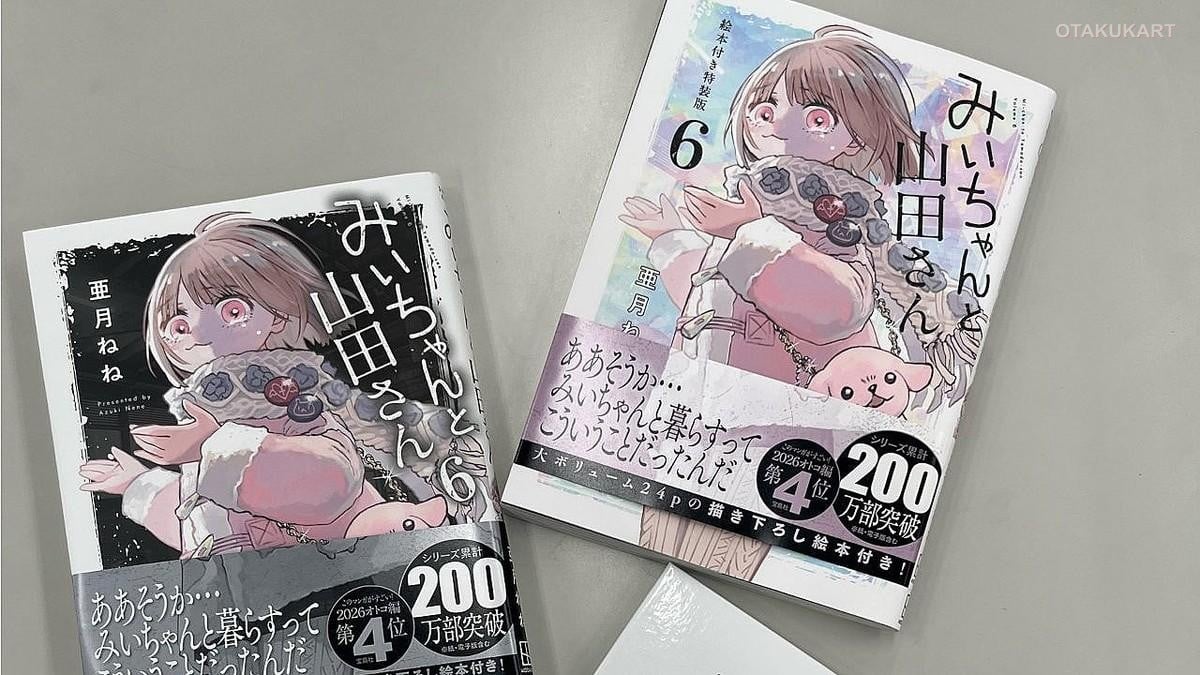
Kodansha Plans Further Discussions Before Making a Decision
Kodansha is reportedly arranging discussions with additional external organizations, including representatives of foster care networks, people affected by mental illness, and psychiatric healthcare institutions. The publisher wants to gather a broader range of perspectives before deciding the adaptation’s future.
This position differs from the production committee’s July 27 statement, which acknowledged public criticism but maintained that there was significance in adapting the original manga into animation. At the time, the committee also indicated that it would seek expert advice to avoid reinforcing prejudice and misunderstandings.
The advocacy campaign has also attracted considerable support. According to the Association for Protecting Vulnerable Children and Adults, its petition opposing the adaptation collected 4,287 signatures before closing on September 30.
As of November 4, 2026, neither cancellation nor a confirmed revision has been announced. The production committee’s discussions remain ongoing, leaving the anime’s eventual release uncertain.
What Is Mii-chan and Miss Yamada About?
Written and illustrated by Azuki Nene, Mii-chan and Miss Yamada takes place in Tokyo’s red-light district and follows two women working at a hostess club. Mii-chan is a newcomer who struggles with everyday tasks and social expectations, while her experienced colleague Yamada attempts to support and protect her.
The manga explores their complicated relationship through themes of vulnerability, exploitation, violence, and social prejudice. Its difficult subject matter is central to the ongoing debate surrounding whether its story should be adapted into an animated production.