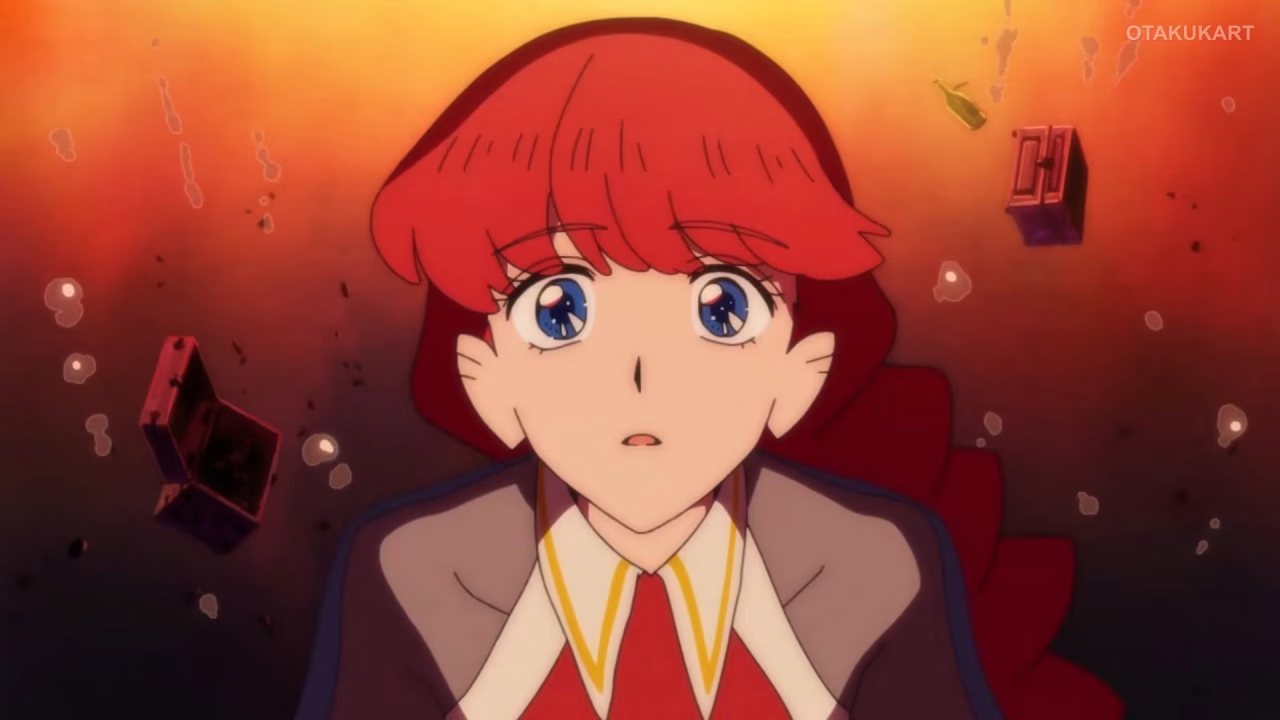
Goodbye, Lara was one of the standout original anime showcased during Anime Expo 2026, introducing audiences to a fresh take on Hans Christian Andersen’s The Little Mermaid. Directed by Takushi Koide in his directorial debut for Kinema Citrus, the film transports the timeless fairy tale to modern-day Japan, where Lara awakens 200 years after the events of the original story. Instead of simply retelling a familiar romance, the film explores identity, belonging, and the many forms that love can take.
During the Anime Expo 2026 press interviews, Koide discussed the inspirations behind Goodbye, Lara, his decision to set the story around his hometown of Lake Biwa in Shiga Prefecture, and the creative challenges of producing a completely original anime over five years. OtakuKart also had the opportunity to ask Koide about the film’s modern interpretation of true love and the significance of its real-world setting.
Takushi Koide says Goodbye, Lara explores love beyond traditional romance
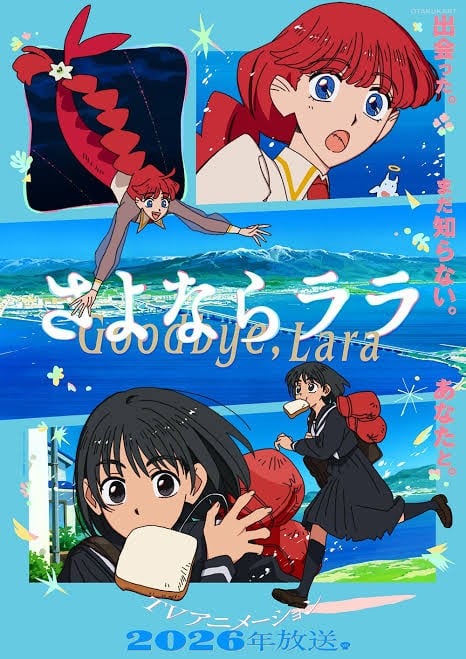
One of OtakuKart’s questions focused on how Goodbye, Lara reinterprets one of the central ideas of The Little Mermaid. In Andersen’s original fairy tale, the mermaid’s fate depends entirely on earning the prince’s love. In Koide’s version, Lara awakens 200 years later and finds herself connected to Mari, a grounded high-school boxer, and Luca, a young man who resembles the prince she once loved.
Asked whether the “true love” capable of saving Lara still needed to be romantic, Koide explained that the film intentionally moves beyond the fairy tale’s traditional definition.
“When depicting a classic like The Little Mermaid, I think it would be quite boring if the story only focused on standard romance. The perception of love can vary greatly between Western and Japanese cultures. In Japan, love is often viewed as something profoundly beautiful, but it can also carry an underlying weight, gravity, or even an element of fear. We intentionally tried to depict love as something multifaceted and diverse, rather than a simple fairy tale trope.”
His comments highlight one of the film’s biggest creative goals. Rather than presenting love as a single romantic destination, Goodbye, Lara appears to examine emotional bonds from several perspectives while preserving the emotional core that made Andersen’s original story memorable.
Koide also revealed that despite relocating the story to present-day Japan, the production frequently returned to Andersen’s original text throughout development.
“We explicitly credited Hans Christian Andersen in the film out of respect for his original work. Even though we have updated the setting to modern-day Japan, we frequently went back to Andersen’s text to ensure we were faithfully conveying the core concepts and universal themes of the original story.”
According to Koide, one of those themes is the “border” separating the human and mermaid worlds, an idea that became the foundation for the entire project.
Lake Biwa and Koide’s hometown became the emotional heart of the film
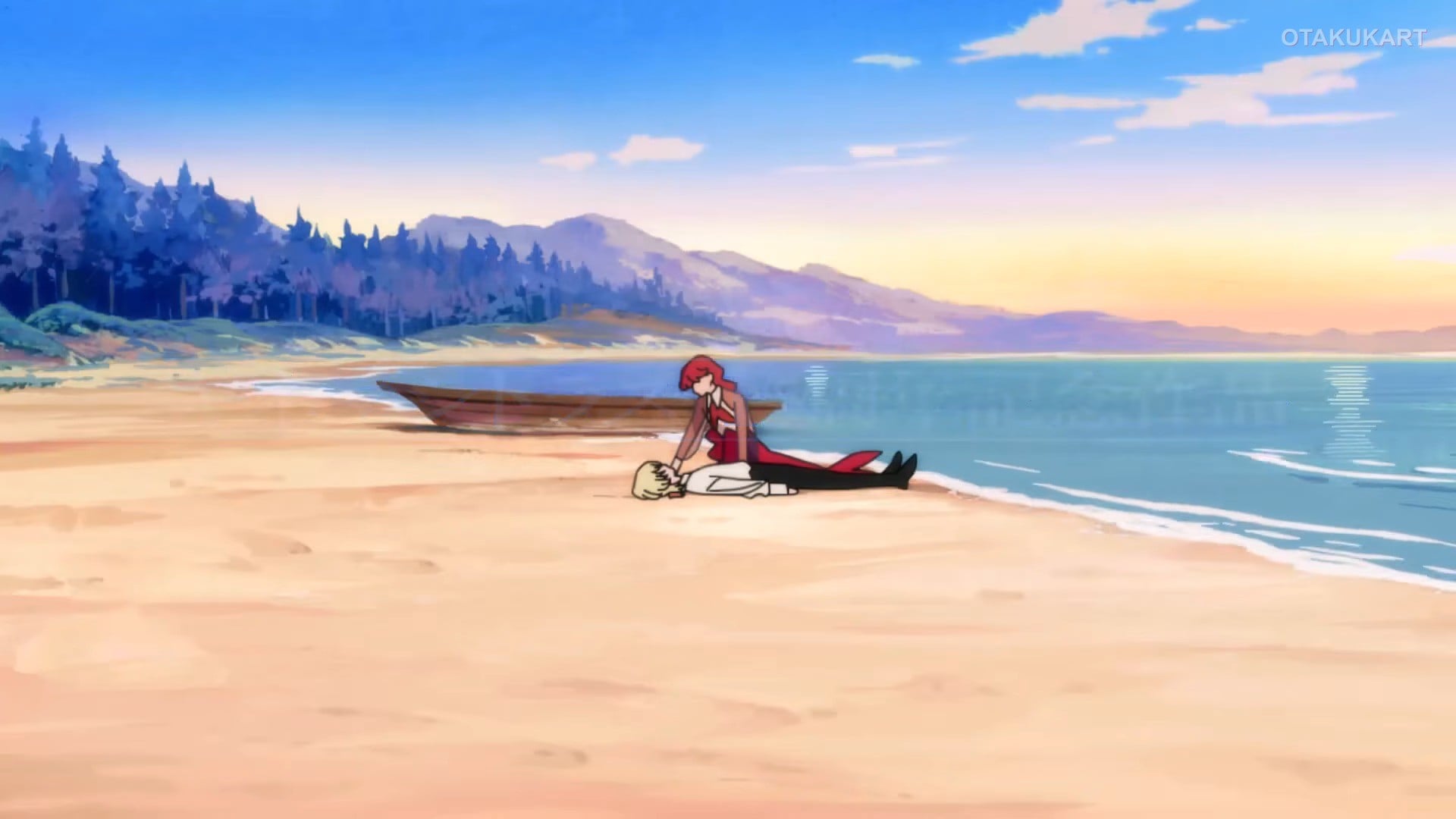
OtakuKart also asked why Koide chose to relocate a 200-year-old European fairy tale to Lake Biwa and whether there was somewhere he hoped fans would visit after watching the film.
Koide explained that the decision was deeply personal because the story unfolds around Otsu City in Shiga Prefecture, where he grew up.
“Yes, my actual hometown is Otsu City in Shiga Prefecture, and the surrounding areas are heavily featured in the film. Moving from Shiga to Tokyo alone to start my career in animation was a major milestone in my life. When creating Lara, I projected those exact personal feelings onto her journey as she leaves the mermaid world to enter human society.”
By drawing from his own experiences of leaving home, Koide transformed Lara’s transition from the sea into modern human society into something emotionally authentic rather than simply fantastical.
He also encouraged anime fans visiting Japan to experience the setting firsthand.
“Lake Biwa is the most famous lake in Japan, so using it as the primary setting felt completely natural to me. Otsu City is incredibly accessible—it’s only a 20-minute train ride from Kyoto. I highly encourage tourists and fans visiting Japan to take that short trip to Otsu, check out Lake Biwa, and immerse themselves directly in the real-world locations that inspired Lara’s world.”
The real-world locations are expected to become a significant attraction for fans interested in anime tourism once the film reaches wider audiences.
Koide discusses his directorial debut and creating an original anime from scratch
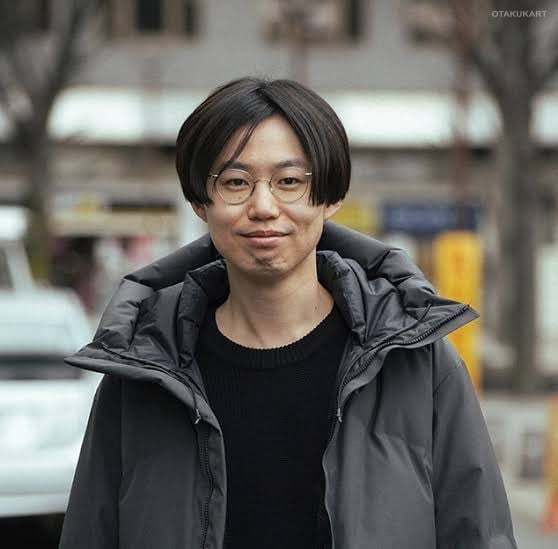
Beyond OtakuKart’s questions, other members of the press asked Koide about making the transition from assistant director to leading his own project.
Having previously worked as assistant director on Revue Starlight and contributed to Made in Abyss: The Golden City of the Scorching Sun, Koide said his earlier responsibilities prepared him for directing, although the workload was even greater than expected.
“Because I was handling so much back then, transitioning into the director role for Goodbye, Lara felt relatively smooth—though there was still about twice as much work as I originally anticipated.”
One of the project’s defining qualities is its visual style, which immediately stands apart from many recent anime productions. Rather than following current trends toward thinner outlines and softer colors, Koide intentionally pursued bold linework and vibrant palettes.
“Over the past ten years, the trend in mainstream anime has shifted toward increasingly thin lines and lighter, pastel colors. As a stylistic counter-reaction to that trend, I felt a strong desire to create a project with very thick lines and vivid, expressive colors.”
Although many viewers may associate the artwork with 1990s anime or classic animation, Koide explained that the nostalgic appearance emerged naturally from those artistic decisions instead of being the original goal.
Five years of development allowed Goodbye, Lara to prioritize quality over speed
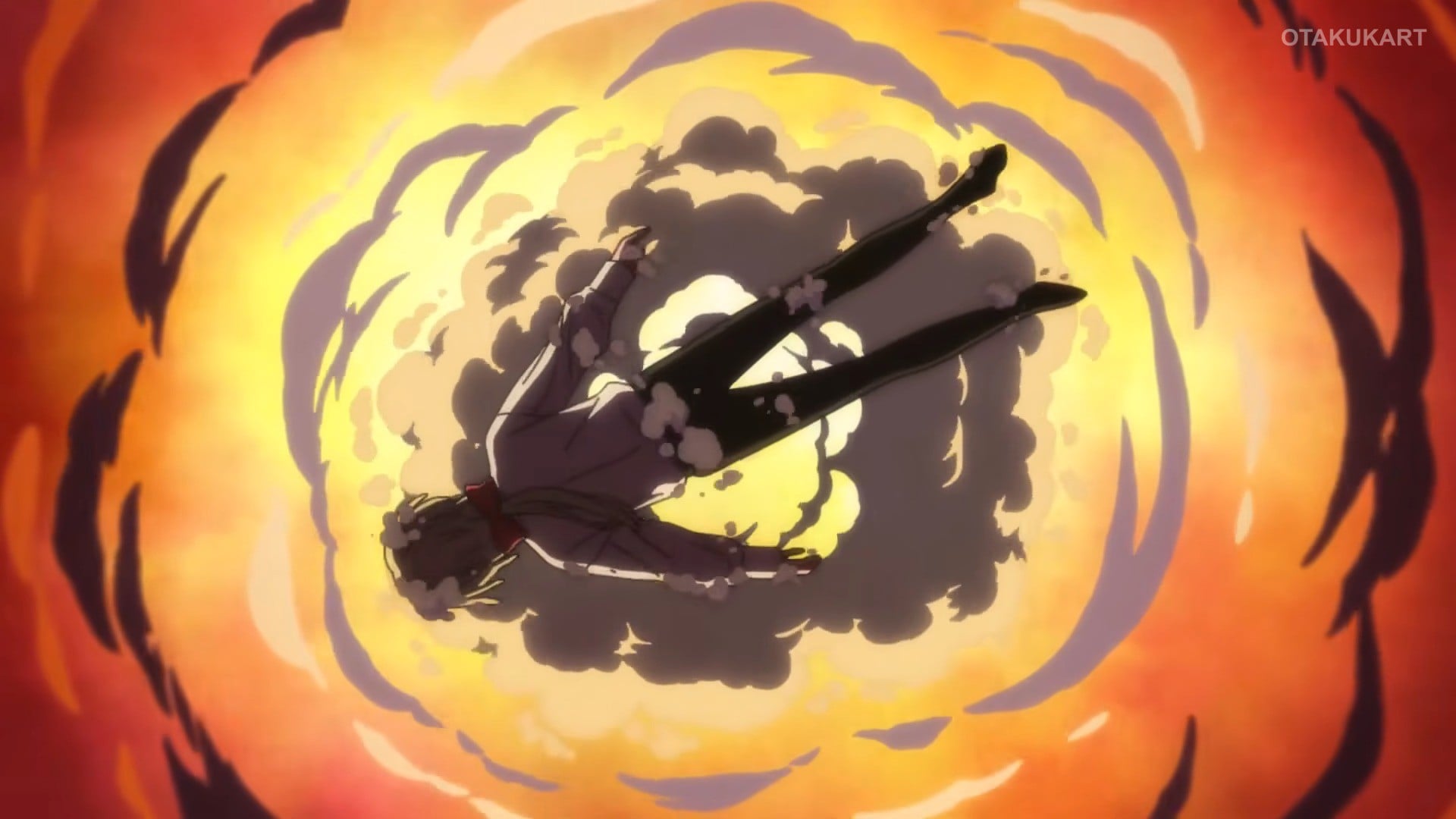
Several reporters also asked about the lengthy production process behind Goodbye, Lara. Koide revealed that development began approximately five years ago after longtime Kinema Citrus producer Muneki Ogasawara invited him to direct the project.
Unlike most television anime adapted from manga or light novels, Goodbye, Lara was created entirely from scratch. That creative freedom also presented major challenges.
“A fully original anime is a very rare thing nowadays. While that sounds like a dream project, having total creative freedom without pre-existing limits makes the actual execution incredibly difficult.”
Because there was no existing source material dictating pacing, the team was able to dedicate more attention to visual quality and environmental detail instead of compressing story content into limited runtime.
Koide explained that adapting a nineteenth-century fairy tale into contemporary Japan required constant refinement throughout storyboarding to ensure the fantasy elements blended naturally with everyday life. He added that establishing consistent creative rules helped maintain the balance between realism and fantasy.
Despite the demanding production, Koide believes the final result offers something audiences cannot find elsewhere.
“Because it is a completely original project, we are able to deliver an experience that viewers can only get from this specific film—whether that is through the visuals, the artwork, the story, or the overall direction.”
As Kinema Citrus celebrates its 15th anniversary, Goodbye, Lara also represents one of the studio’s most ambitious original productions. By combining a globally recognized fairy tale with modern Japanese culture, personal storytelling, and distinctive visual direction, Koide hopes audiences around the world will discover a familiar story from an entirely new perspective.