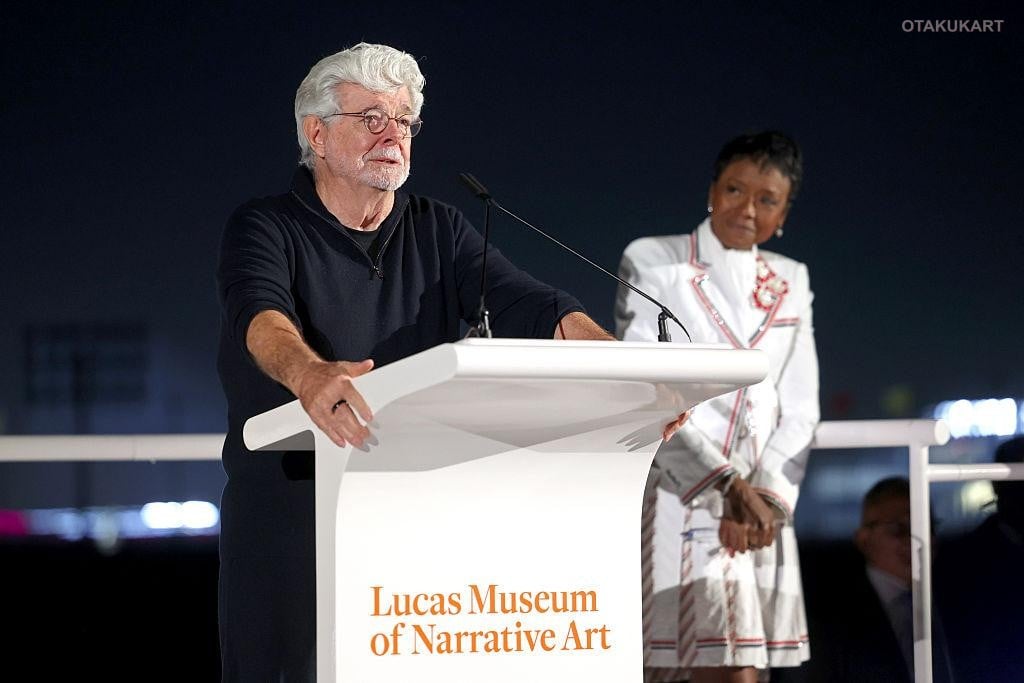
George Lucas has revealed that he once planned to make three more Star Wars movies before ultimately deciding to retire from directing. The filmmaker discussed the abandoned plans while explaining why he chose to devote his time to the newly opened Lucas Museum of Narrative Art in Los Angeles.
Lucas made the revelation during an interview with Norah O’Donnell for CBS News, alongside George Lucas and Mellody Hobson. Lucas appeared alongside his wife and business partner, Mellody Hobson, to discuss the museum, which opened to the public in Los Angeles on September 22, 2026.
The admission provides another look into what might have happened if Lucas had continued directing after Star Wars: Episode III – Revenge of the Sith.
George Lucas Had Three More Star Wars Movies Planned
Lucas explained that his decision to leave filmmaking was closely connected to his work on the museum. While discussing the enormous amount of effort required to create the institution, he acknowledged that stepping away from movies meant abandoning plans for three additional Star Wars films.
“When I did this, I decided to retire from making movies, which was a big deal because I had three more Star Wars to make,”
Lucas told O’Donnell.
He explained that he eventually realized he was “running out of time” and wanted to complete the museum while he could. Lucas also connected the project to his long-standing interest in technology and visual storytelling.
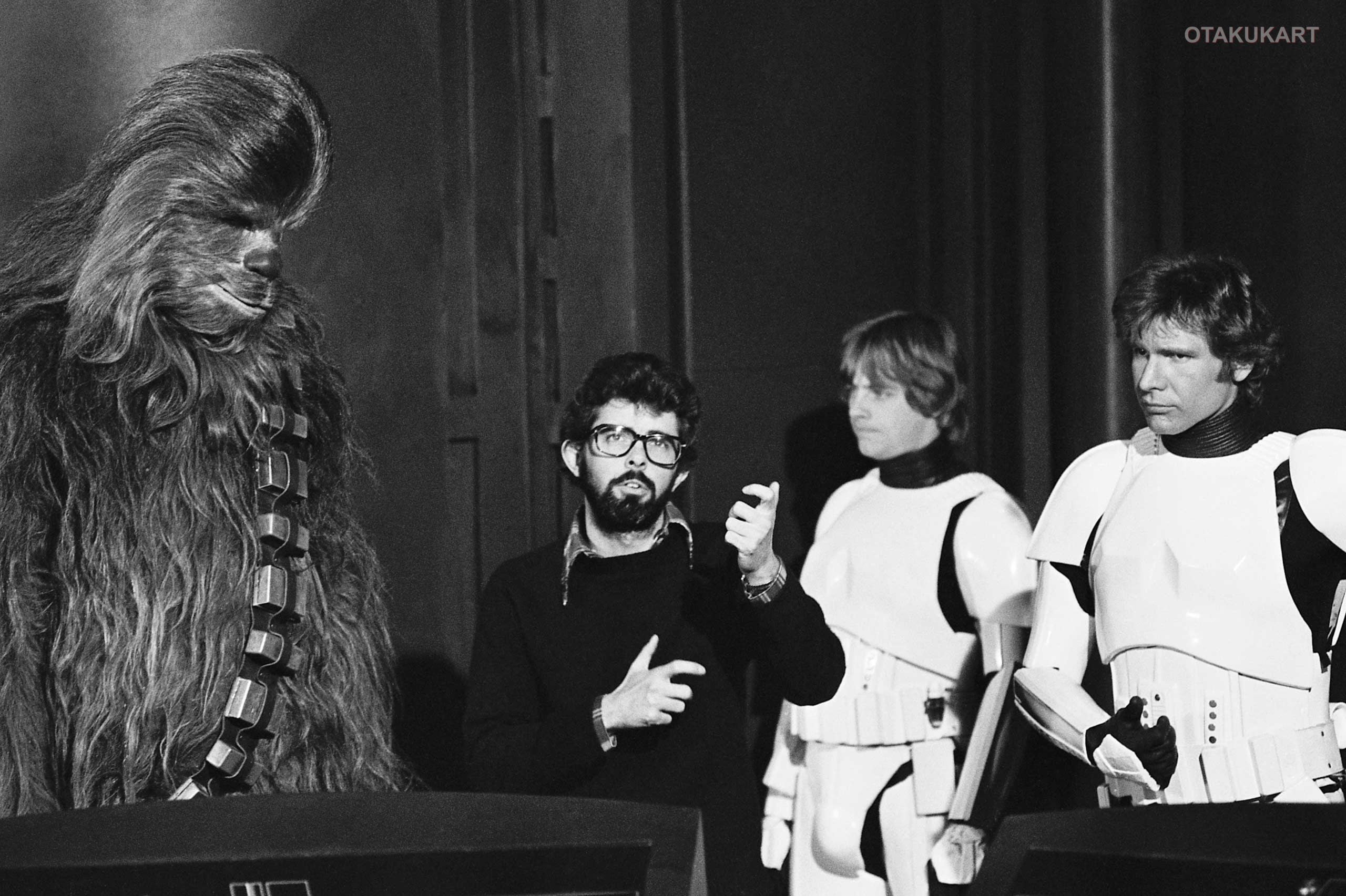
The museum became a major personal project for Lucas and Hobson. The 300,000-square-foot institution contains more than 1,300 pieces of art and focuses on visual storytelling across different forms and eras. Lucas emphasized to CBS News that it was not intended to be a Star Wars museum, although the franchise naturally has a presence within it.
Lucas’ Decision Changed the Future of Star Wars
Lucas directed four Star Wars movies during his career. He launched the franchise with Star Wars: Episode IV – A New Hope in 1977 before returning to the director’s chair for the prequel trilogy, consisting of The Phantom Menace, Attack of the Clones and Revenge of the Sith.
His decision to retire eventually coincided with Lucasfilm’s transition to Disney. In 2012, Disney announced its agreement to acquire Lucasfilm and continue developing new Star Wars movies. Lucas said at the time that he believed it was important to pass the franchise to a new generation of filmmakers.
Interestingly, Lucas’ plans for three additional movies were not entirely unknown. StarWars.com reported in 2012 that Lucas had privately developed story ideas for at least three films set after Return of the Jedi. Those concepts ultimately did not become Disney’s sequel trilogy.
Disney went on to produce The Force Awakens, The Last Jedi, and The Rise of Skywalker, while expanding the franchise through television projects including The Mandalorian and Andor.
Lucas’ retirement did not mean the end of his involvement with visual storytelling. Instead, his attention shifted toward preserving and celebrating the art that influenced filmmakers and audiences.
The Lucas Museum of Narrative Art now represents the culmination of that effort, giving Lucas a new way to explore the relationship between technology, illustration and storytelling without returning to the director’s chair.