
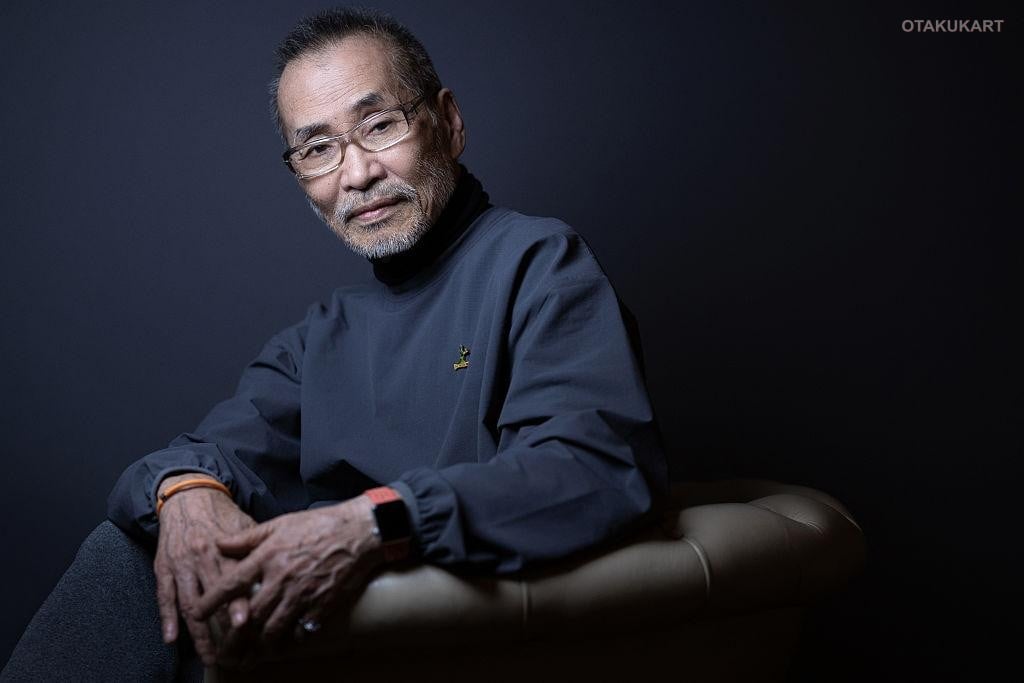
Legendary Japanese anime director Rintaro has raised concerns about how artificial intelligence is influencing creativity, warning that people risk becoming too dependent on instructions generated by technology instead of thinking independently. In an interview with Cartoon Brew, the 85-year-old filmmaker discussed AI’s potential impact on animation, original storytelling and everyday life during the 2026 Busan International Film Festival.
Rintaro illustrated his concerns with an example of a mother using a tablet to learn how to draw and color a picture of her child. Rather than choosing colors and making creative decisions herself, she followed the device’s instructions for each step. The director found the example troubling because it showed how easily people could surrender their judgment to technology.
“And it just goes to show we have lost the ability to think sometimes, and we do exactly as we are instructed,”
Rintaro said. He described the incident as symbolic of how deeply AI has entered everyday life and questioned how far people should allow it to guide their decisions.
Rintaro Warns AI Could Discourage Independent Creativity
For Rintaro, the problem extends beyond people following digital instructions. He believes generative AI could influence the kinds of stories and visual ideas that creators pursue, particularly when commercial success depends on producing familiar material.
“If we look at society from above, AI will also be pushing towards remaking works from the past because AI is about recommending the mean or the average,”
he explained. He argued that systems designed to recommend familiar options may favor safer ideas instead of encouraging creators to experiment with something unfamiliar.
The director compared AI to a blade, suggesting that it can have useful applications but also carries risks when handled carelessly. Although he did not reject the technology outright, he said he would approach its use as a director
“very, very carefully.”
AI Could Push Anime Toward Familiar Ideas
Rintaro also linked his concerns about artificial intelligence to the anime industry’s reliance on established franchises. He argued that both trends could encourage creators to repeat proven ideas instead of developing unusual concepts that might challenge audiences.
The director acknowledged that decisions about using AI ultimately belong to the producers behind individual projects. However, he warned that original works could find it harder to succeed if AI-assisted recommendations and commercial priorities continue favoring familiar material.
His comments came during a roundtable interview at the 31st Busan International Film Festival, where he participated in a masterclass titled A Living Legend in Japanese Animation.
Rintaro’s Legacy Reflects His Commitment to Originality
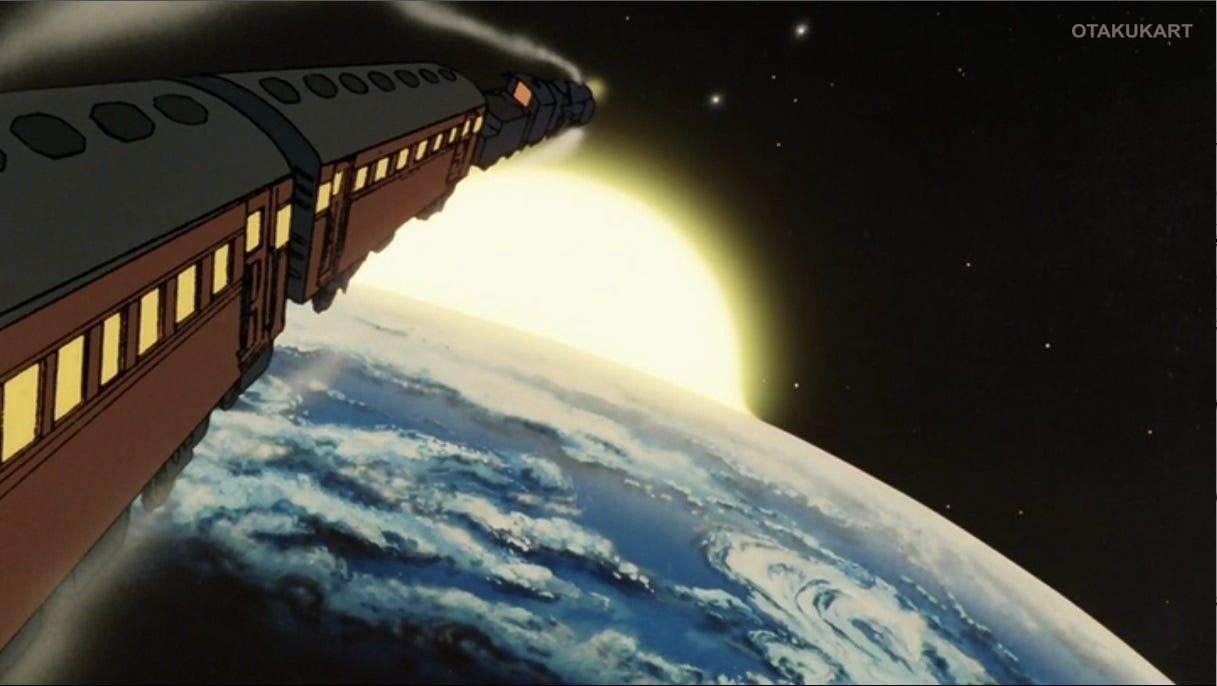
Rintaro has spent decades shaping Japanese animation, working with influential filmmaker Osamu Tezuka on projects such as Astro Boy and Kimba the White Lion. He later directed acclaimed films including Galaxy Express 999, Adieu Galaxy Express 999 and Metropolis, developing a distinctive cinematic approach that often departed from conventional animation techniques.
He also discussed how modern audiences consume entertainment, noting that streaming services make it easy to watch entire seasons at once but remove the anticipation created by weekly releases. For Rintaro, preserving creativity requires more than adopting new technology or reviving familiar properties. It means allowing artists to experiment, think independently and take risks, even when the commercial outcome is uncertain.
His warning offers a challenge to anime studios steering global demand: if the industry prioritizes safe choices over new ideas, it risks limiting the very creativity that made anime distinctive.