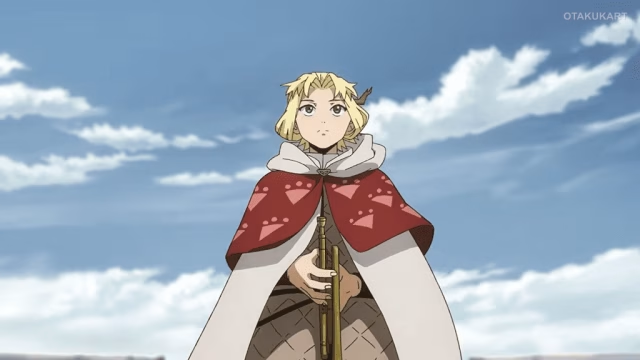
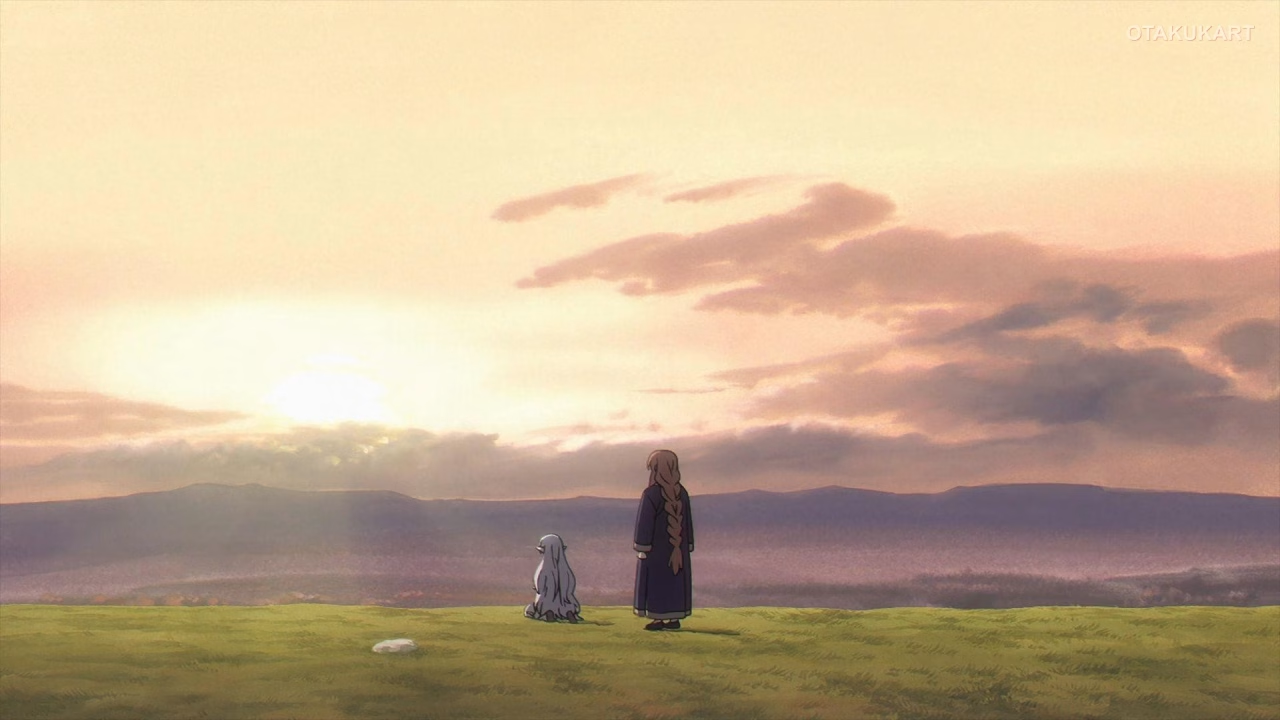
Frieren: Beyond Journey’s End has developed a soundtrack that is almost as recognizable as its characters and world. Composer Evan Call has now explained how he used Celtic-inspired instruments and musical traditions to strengthen the anime’s emotional storytelling without allowing the score to fall into the familiar “generic fantasy” sound.
In an interview with CBR, Call discussed the musical approach behind Frieren, including his use of the tin whistle, low whistle, uilleann pipes and hammered dulcimer. Rather than simply using Celtic music to establish a fantasy atmosphere, the composer said he wanted those sounds to serve the story and its characters.
Call acknowledged that Celtic music can easily become a shortcut for creating a fantasy setting.
“It’s easy to fall into the generic fantasy sound trap if you’re not careful,”
he explained, adding that he wanted to use the style to bring more emotion to the soundtrack.
Evan Call Used Celtic Instruments to Strengthen Frieren’s Emotional Storytelling
According to Call, the Celtic influence was primarily intended to enhance the emotional qualities already present in Frieren. Instead of making the soundtrack entirely about a particular musical tradition, he used Celtic instruments as another layer within a broader orchestral sound.
“I mostly went about it by using the Celtic influence to enhance what I primarily try to do when I compose soundtracks,”
Call told CBR. He described that goal as creating a feeling based on the relationships between the characters, the atmosphere of the world and the emotional depth of the story.
Several instruments became particularly important to that approach. Call highlighted the tin whistle and low whistle, which appear throughout the series, as well as the uilleann pipes. Unlike the more stereotypical sound associated with Scottish bagpipes, he noted that uilleann pipes can produce a more melancholy and expressive tone.
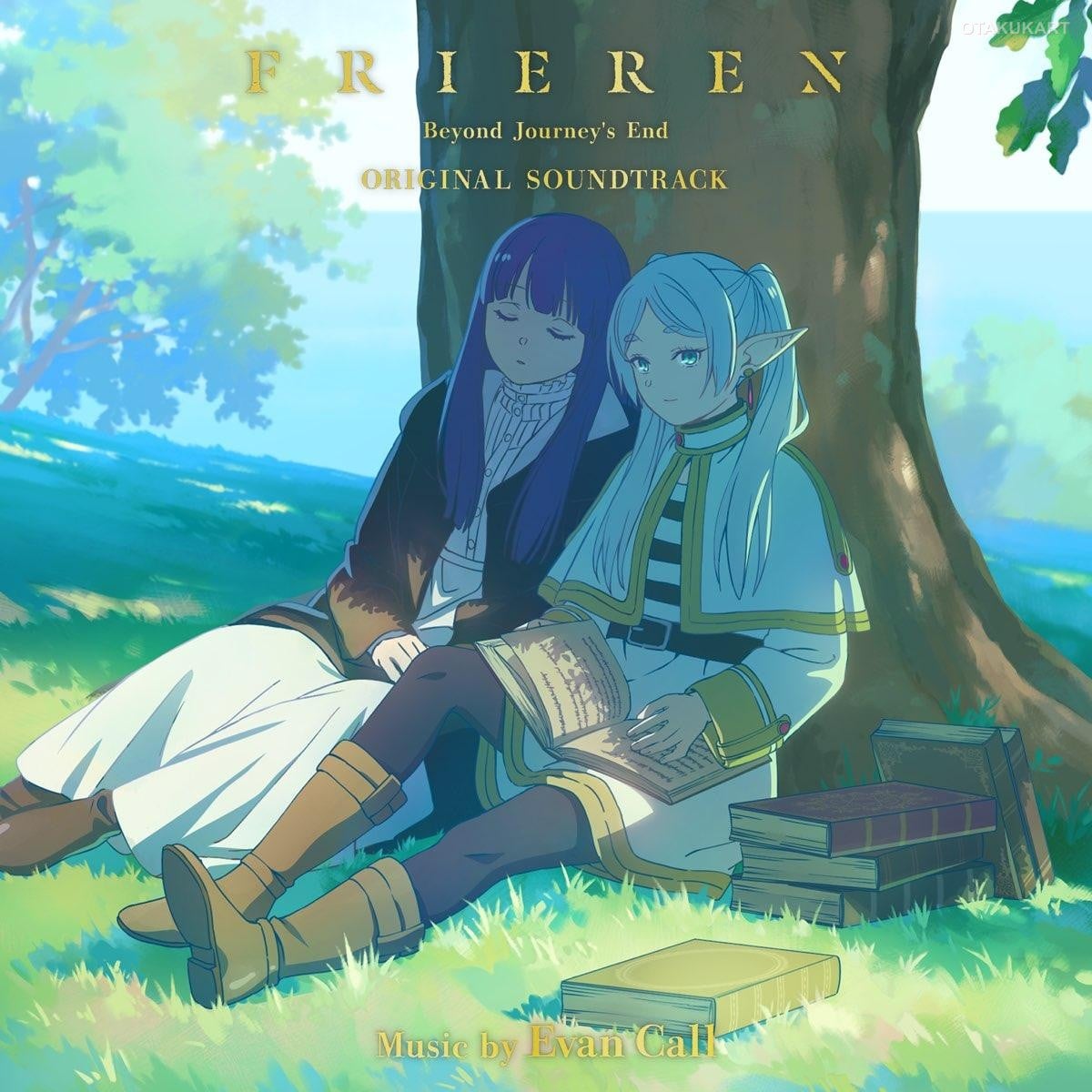
The composer also pointed to the track “Beyond the Journey’s End,” whose opening uses uilleann pipes before moving into a larger choral arrangement. He also incorporated the hammered dulcimer, an instrument he had admired since childhood, to provide what he described as a magical and sparkling quality.
Frieren’s Music Draws From Call’s Own Musical Background
Call’s approach to Frieren is also connected to his upbringing in Northern California. He grew up in a rural environment and developed an early appreciation for American folk music and bluegrass, traditions that themselves have connections to Celtic and Scottish-Irish musical influences.
That background eventually became useful when he began composing Frieren. Call explained that he had not previously found many opportunities to incorporate those influences into his soundtrack work, making the series a chance to reconnect with part of his musical roots.
His influences also extend to Japanese anime and video game music. Call recalled being particularly impressed by the strong melodies found in Japanese media, which helped shape how he combines his Western background with influences from anime.
The result is a soundtrack that uses fantasy-inspired instrumentation without relying entirely on familiar fantasy conventions. For Call, the Celtic elements are ultimately there to support Frieren’s characters, landscapes and emotional moments rather than define the music by themselves.