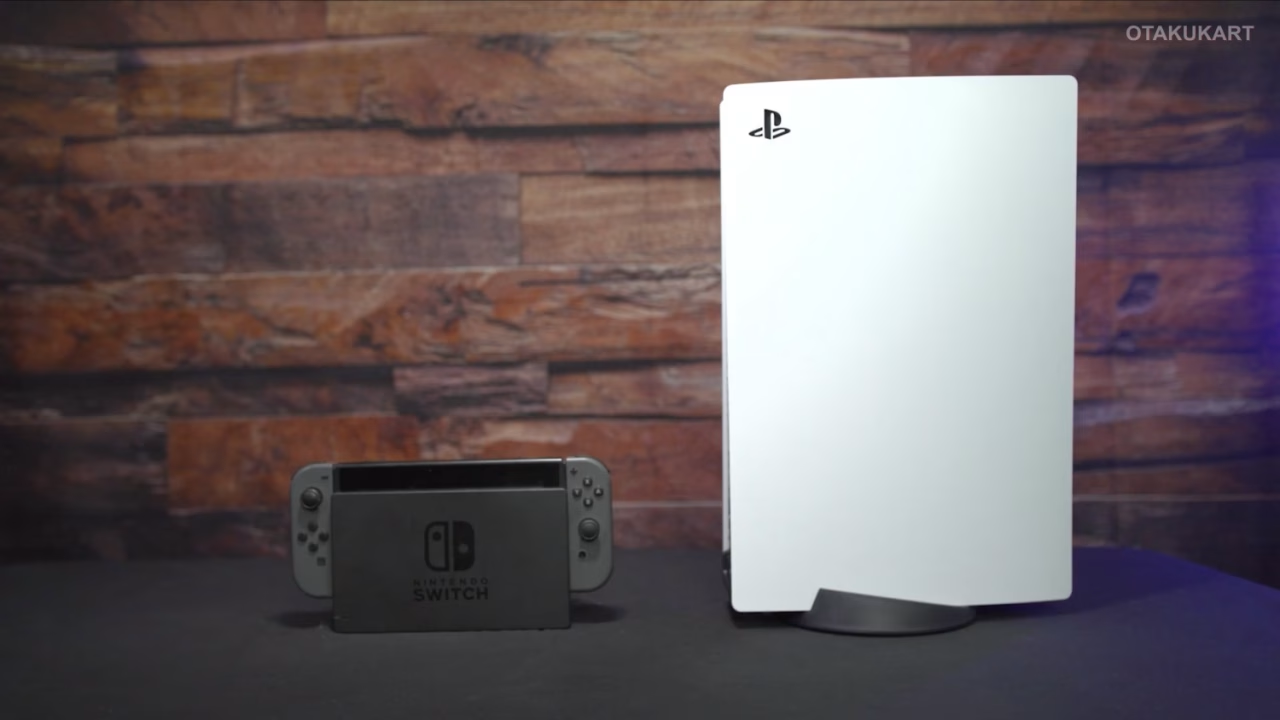
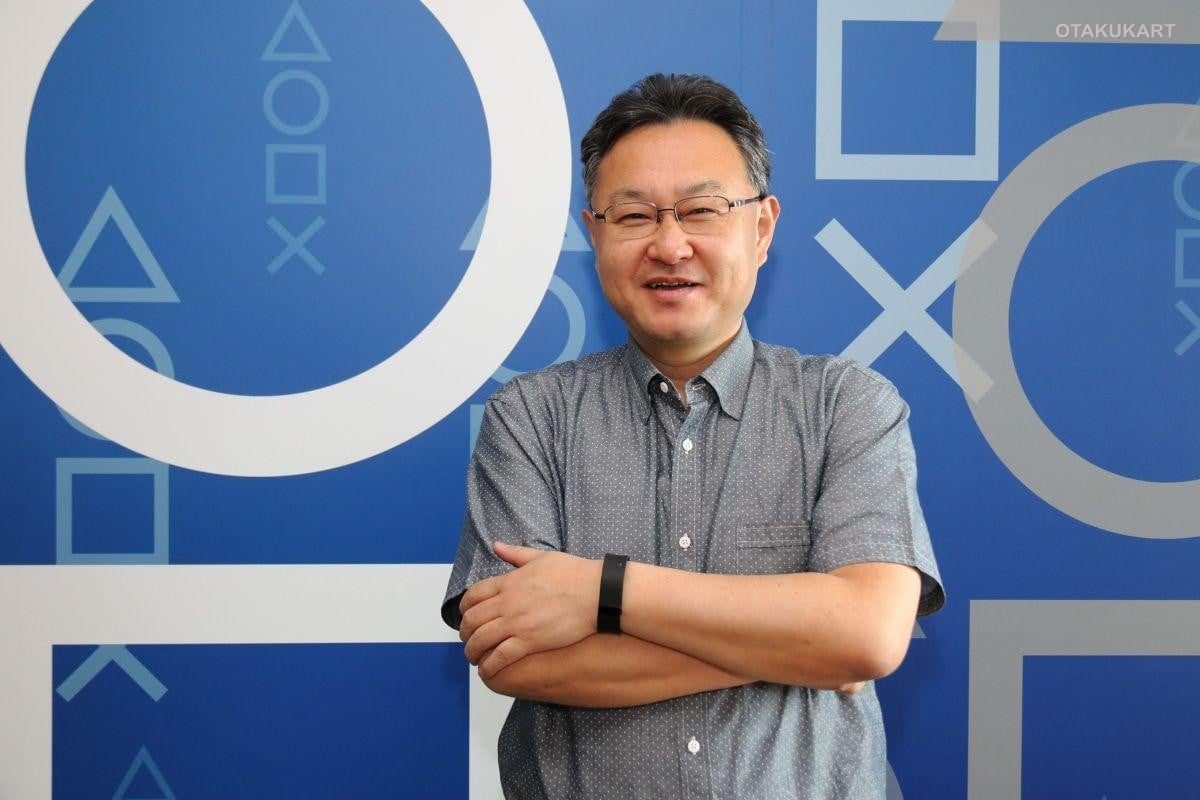
Former PlayStation Worldwide Studios president Shuhei Yoshida believes Sony and Nintendo should resist rushing into their next console generations. Speaking with The Verge, Yoshida argued that the PS5 and Nintendo Switch 2 can remain relevant for years because consumers are already satisfied with their current hardware.
His comments come as the cost of PC and console components continues to rise, creating additional challenges for companies preparing new hardware. Yoshida suggested that these costs could encourage Sony and Nintendo to delay their next-generation systems rather than asking consumers to pay significantly more for new machines.
Yoshida Says Players Are Not Demanding More Powerful Consoles
Yoshida’s central argument is that there is currently limited pressure from consumers or developers for substantially more powerful hardware. He believes many players who already own a PS5, Switch 2, or capable gaming PC have little reason to immediately replace their systems.
“I don’t think lots of people are asking for ‘more power, we need more power!’”
Yoshida said.
“Or even developers, I don’t think developers are asking ‘we need better hardware.’”
That sentiment could become increasingly important as hardware prices climb. Yoshida explained that consumers have finite budgets and that specialized components used in PCs and consoles have become significantly more expensive compared with other forms of entertainment.
He also used his own gaming PC as an example. Yoshida said he had considered replacing a machine he bought around five years ago, but the recent price increases made him postpone the upgrade. He expects other consumers could make similar decisions when faced with expensive new hardware.
Rising Component Costs Could Make PS6 More Difficult
The situation could be particularly important for Sony as it prepares for the eventual successor to the PS5. While Sony has not officially announced a PS6 release date, the economics surrounding next-generation hardware could make an expensive launch more difficult to justify.
Yoshida believes Sony and Nintendo have already sold enough current-generation hardware to give them flexibility. Rather than immediately replacing those platforms, he suggested that both companies could benefit from extending their lifespans.
“Sony and Nintendo have sold enough numbers of their current-generation hardware,”
Yoshida said.
“Because of the cost of goods, they might be looking [at] pushing back the launch of next gen.”
He ultimately believes both platforms can continue performing well for years if manufacturers focus on the existing hardware instead of rushing toward another generation.
Xbox Could Take a Different Approach
Yoshida sees Microsoft’s strategy differently. Xbox has been positioning its next-generation hardware as something capable of changing how players interact with the broader Xbox ecosystem, making its approach less focused on simply delivering another conventional console upgrade.
“Xbox is a team who wants to change the competing landscape,”
Yoshida said, adding that this makes Microsoft’s position difficult but also gives the company an opportunity to reshape the market.
For Sony and Nintendo, however, Yoshida believes the current environment favors patience. If consumers remain satisfied with PS5 and Switch 2 while new hardware becomes increasingly expensive, extending the current generation could prove more practical than pushing players toward another costly upgrade.