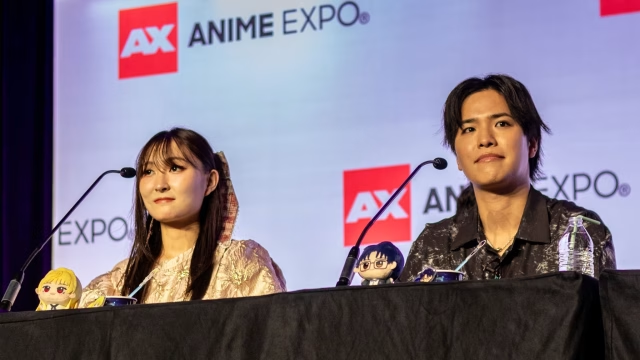
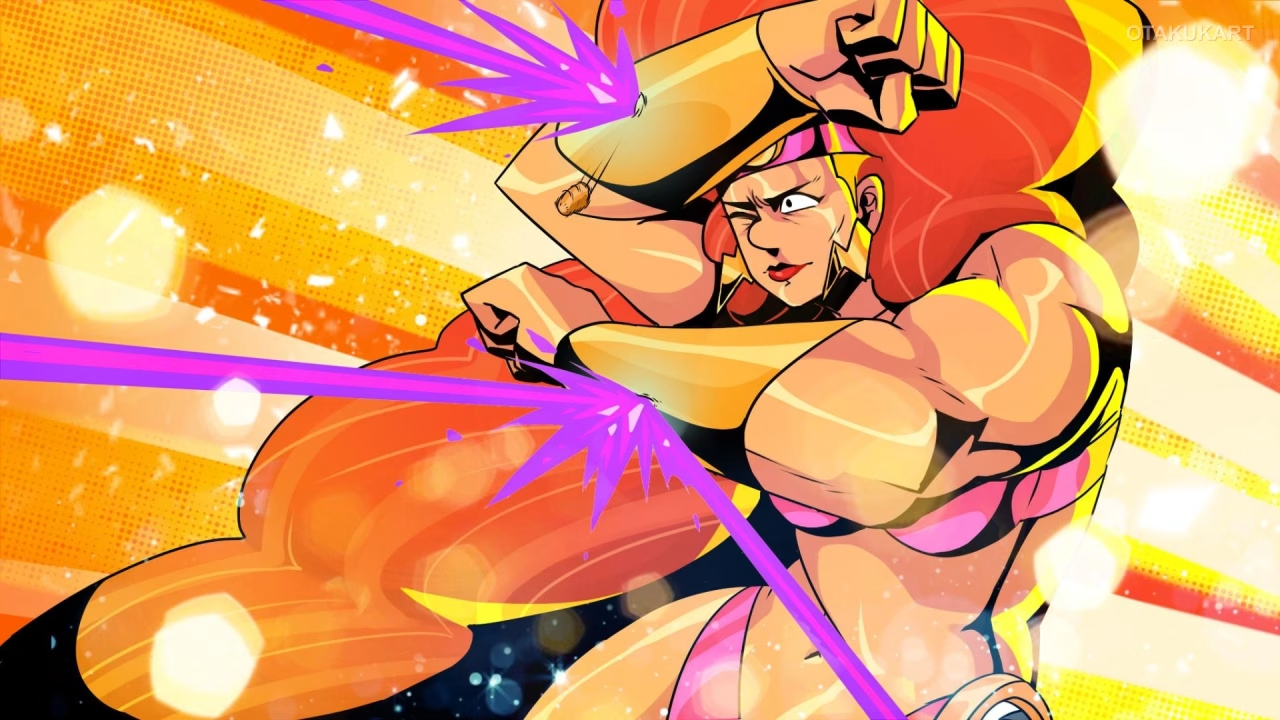
After earning praise at Annecy and BIFAN before making its North American premiere at Fantasia International Film Festival, Zsazsa Zaturnnah is introducing international audiences to one of the Philippines’ most beloved queer superheroes. Adapted from Carlo Vergara’s cult graphic novel, the animated feature follows shy hairdresser Ada, whose life changes forever after a mysterious pink meteor transforms him into the glamorous superheroine Zsazsa Zaturnnah, setting off an adventure filled with zombies, alien invaders, and unexpected romance.
Rather than reinventing the source material, the creative team focused on expanding its emotional foundation while preserving the heart that made the original comic a cultural landmark. In a written interview provided to OtakuKart, writer, director, and animator Avid Liongoren shared how the adaptation evolved over six years, the challenges of producing an independent Filipino animated feature, and why authentic local storytelling remained the project’s biggest priority.
Throughout the interview, Liongoren also discussed collaborating with original creator Carlo Vergara, designing Zsazsa’s memorable transformation, balancing Filipino humor for global audiences, and his hopes for both the future of the franchise and the Philippine animation industry.
OtakuKart: Carlo Vergara co-wrote the screenplay with you. When you two sat down to break the komiks into a film, what was the one thing he insisted stay untouched, and what was the biggest thing you convinced him to change?
Avid Liongoren: Carlo wrote the screenplay in its entirety. I loved the book already so I wasn’t really trying to change anything. We never really had to convince each other over anything. We would discuss narrative issues and figure out solutions together, like how to make the town its own character and how to expand Ada’s past to give more context as to why he is so afraid to ever consider romance.
OtakuKart: Ada’s transformation into Zsazsa is the heart of the whole story. How did you and your team design that sequence visually?
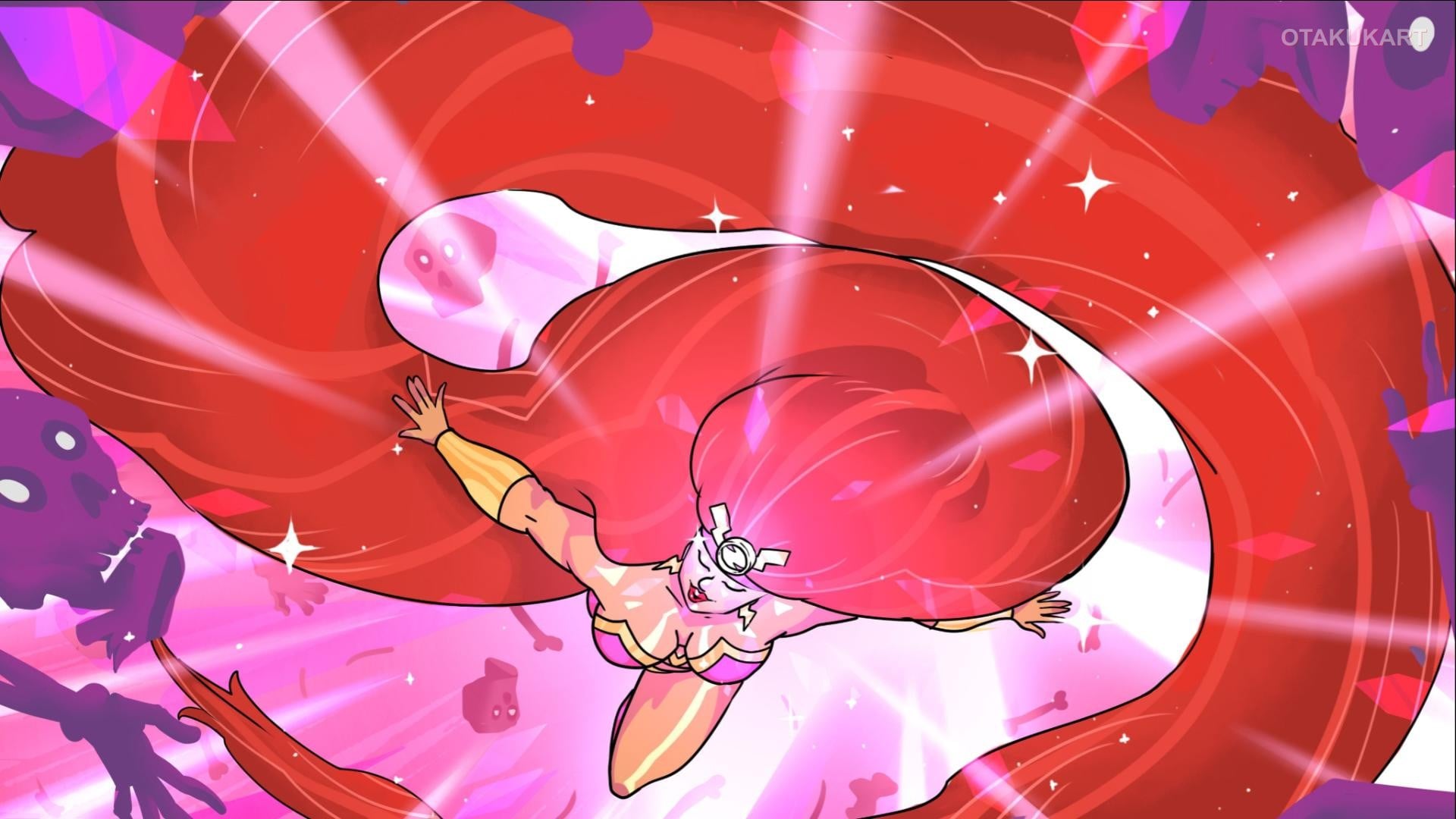
Avid Liongoren: It was always going to be a simple puff of smoke because Zsazsa’s costume isn’t mystical, so we never pursued elaborate magical transformation effects. During production, Carlo realized Ada wouldn’t immediately be happy about becoming a woman, so we completely reworked the storyboards and voice acting to better capture his shock.
OtakuKart: The film has drawn comparisons to modern Western television animation while remaining rooted in Filipino komiks. What shaped its visual identity?
Avid Liongoren: That comparison is actually ironic because our goal was to make the characters look ethnically Filipino, something we rarely see represented in animation. We hope the Philippines can eventually develop a visual identity that’s as recognizable as anime is for Japan or Disney is for America. Classic Filipino komiks from the 1970s and 1980s inspired the background artwork, Funny Komiks influenced the color palette, and we also slipped in references to JoJo’s Bizarre Adventure and Akira.
OtakuKart: This project took roughly six years and overcame funding challenges. What kept it alive?
Avid Liongoren: Our studio, Rocketsheep, funded the film through commissioned advertising work, with every bit of income going back into production. We also had to sell our internal organs to survive.
One of the film’s biggest strengths is its uniquely Filipino sense of humor, something Liongoren admitted initially raised concerns about how international viewers would respond.
OtakuKart: Zaturnnah’s comedy relies heavily on Filipino wordplay and bakla humor. How did you preserve that for global audiences?
Avid Liongoren: We were worried because Pinoy queer humor can be very self-deprecating, but international audiences seemed to understand the cultural context. We wanted viewers to understand that Ada’s story represents one experience rather than every LGBTQ+ story.
He also acknowledged that some jokes simply could not survive translation. A favorite gag involving Filipino dialogue lost much of its comedic impact in English, while references to famous Filipina actresses were naturally missed by overseas viewers. Liongoren hopes the visual comedy fills those gaps and even joked that he looks forward to eventually dubbing the film in Filipino Bekineese.
The adaptation also had to distinguish itself from previous versions of Zsazsa Zaturnnah, including the well-known stage musical and live-action film.
OtakuKart: Did you feel pressure to create the definitive adaptation?
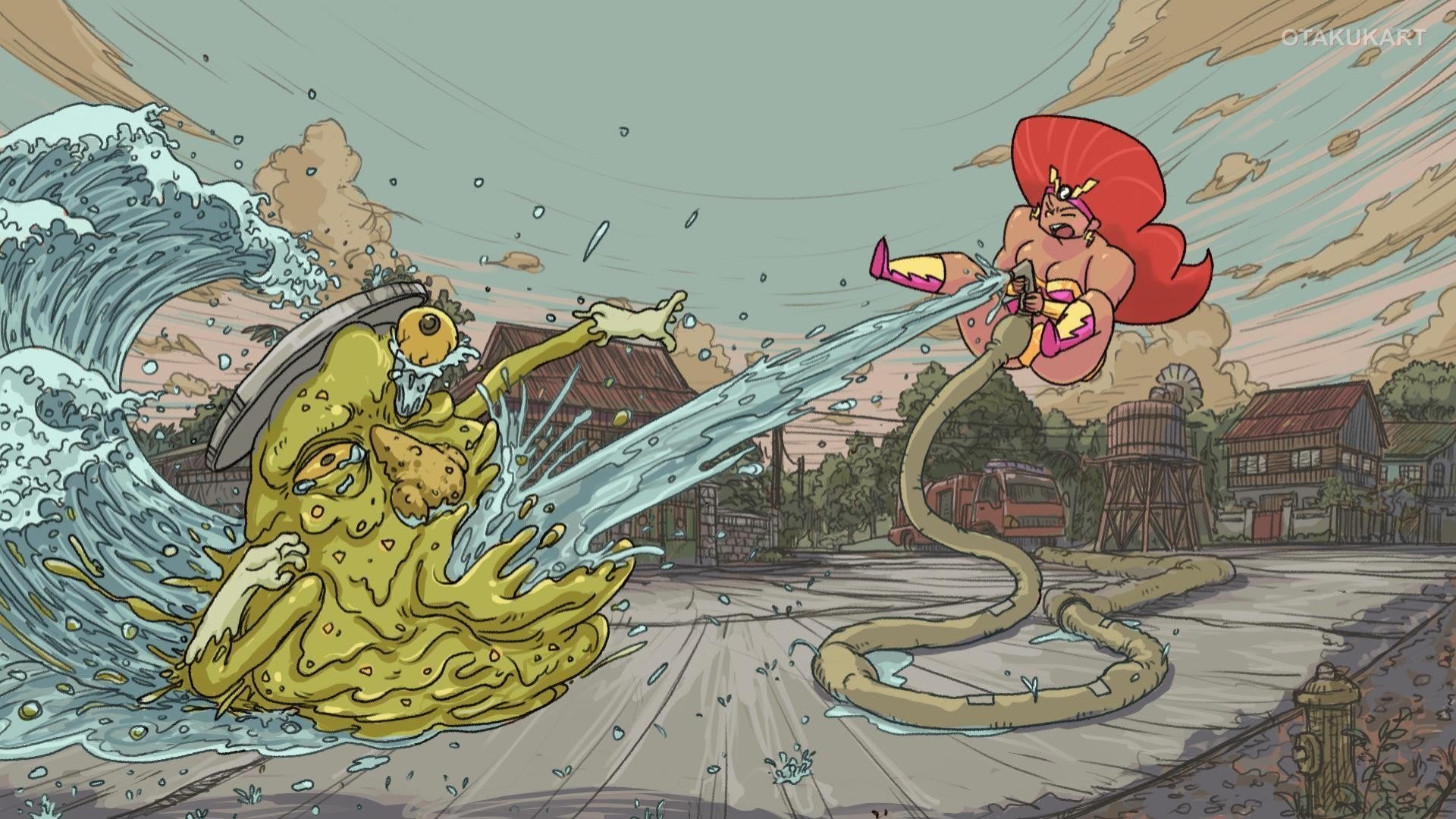
Avid Liongoren: Not really. The musical is incredible and works best as a live experience, while the live-action movie adapted the musical itself. Our version goes back to the original graphic novel, and animation allowed us to include all the wonderfully ridiculous monster battles that only this medium could fully embrace.
Beyond adapting a beloved property, Liongoren hopes Zsazsa Zaturnnah becomes part of a larger movement for original Filipino animation.
When asked what needs to change after the film’s successful festival run at Annecy, BIFAN, and Fantasia, he emphasized that the country simply needs more studios willing to invest in original productions rather than only service work. He also praised fellow Filipino creators currently developing projects such as Sun Chasers while highlighting emerging talent from universities including UMAK, CSB, iAcademy, and CIIT.
Looking ahead, Rocketsheep already has another adaptation in development with Ella Arcangel, while Liongoren hopes Zsazsa Zaturnnah can eventually expand into a mini-series if the film performs well enough. As he joked during the interview, the immediate priority is simply recovering after pouring nearly every available resource into completing the feature.
Zsazsa Zaturnnah continues its festival run following acclaimed screenings at Annecy, BIFAN, and Fantasia, bringing one of Philippine pop culture’s most enduring queer superheroes to an even wider international audience.