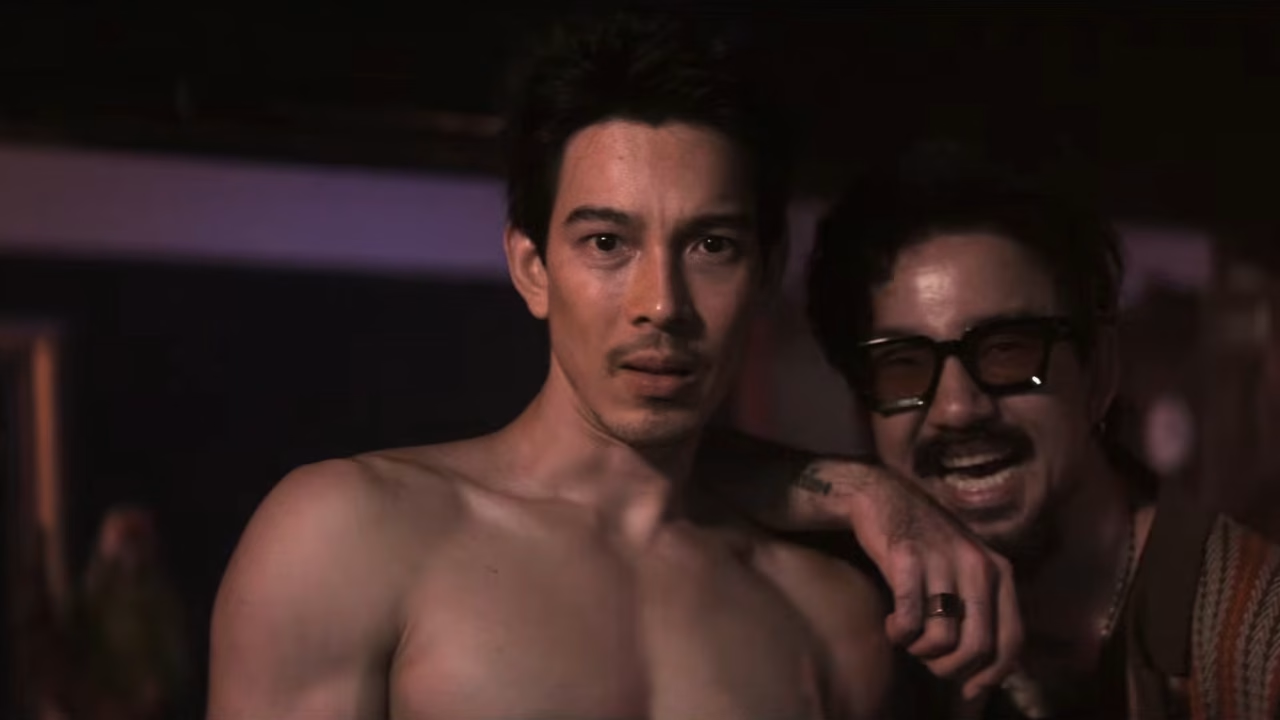
GOD SKIN is aiming to bring a fresh twist to the martial arts genre by combining Thailand’s centuries-old sacred tattoo traditions with futuristic science fiction and high-impact action. Set in a neon-lit underground fighting arena, the film follows Marwin, a struggling delivery rider who enters dangerous combat to save his mother’s life, only to discover that the mysterious “God Skin” tattoos are far more than spiritual symbols. They are powered by advanced nanotechnology that grants extraordinary abilities at a devastating cost.
Ahead of the film’s August 27 theatrical release in Thailand, OtakuKart spoke with director Paween Purijitpanya and lead actor Sutthirak Subvijitra in a written interview provided by the filmmakers. During the conversation, the pair discussed the unusual origins of the story, how classic fighting games influenced the movie’s visual identity, the demanding stunt training behind the action, and why GOD SKIN balances explosive entertainment with social commentary.
From reinventing Sak Yant traditions through science fiction to collaborating with the legendary Panna stunt team, the creators shared how one of Thailand’s most ambitious action films came together.
OtakuKart: The central idea, reworking Thai sacred tattooing into programmable machines, came from your co-writer Pat Pataranutaporn. What did you see in it when he first brought it to you, and how much did his research into AI and human cognition end up shaping the world around it?
Paween Purijitpanya: It actually all started about three or four years ago. Pat, who was a researcher at MIT at the time, told me about experiments involving embedding nanobots into muscles to treat patients with muscle weakness or paralysis—something that is actually becoming a reality today. When I heard about this, we started wondering: what if this technology advanced to the point where it could completely control the human body? It’s terrifying, but from a storytelling perspective, it’s also a really fun concept to play with.
Around that same time, the two of us were discussing the Thai cultural practice of Sak Yant (traditional sacred tattoos). Many Thai people use animal tattoos as a spiritual anchor, truly believing that the tattoo will grant them the specific powers of that animal—like the leaping tiger or the wind monkey.
We decided to mash these two concepts together. It sparked this story where the act of getting a sacred tattoo is actually a front for implanting nanobots into a fighter’s body, physically allowing them to channel the powers of those animals in the ring.
OtakuKart: This is your first action film after a career built on horror. What caught you off guard about the shift, and what did horror give you inside a fight scene that a career action director might never reach for?
Paween Purijitpanya: Honestly, looking back at my filmmaking career, my work hasn’t really been confined to one specific genre. Instead, I focus on social issues and human stories, finding ways to tell them through a slightly surreal lens. You can see this in Body, which deals with escaping guilt by fabricating a spotless persona; in 4bia, which touches on the bullying of those who are different; and it becomes especially clear in the series Tomorrow and I (now on Netflix), where I explored questions I have about Thai society—ranging from issues within the Buddhist community, sex workers, and gender fluidity, to how our generation and those before us created global warming and passed the burden onto our children.
God Skin is no different. It started with the destructive problem of gambling in Thai society. But we chose to tell this story through a bizarre, visually striking world filled with highly entertaining, satisfying action sequences. We wanted the audience to engage with the underlying themes while having a lot of fun.
If you ask whether my background in directing horror helped me make an action film, I’d say yes. It trained me to understand and utilize pacing and sound design to build excitement. It taught me how to make every punch and every move feel tight, precise, and impactful. But ultimately, everything we designed and filmed was meant to lead the audience back to those thought-provoking themes I mentioned earlier.
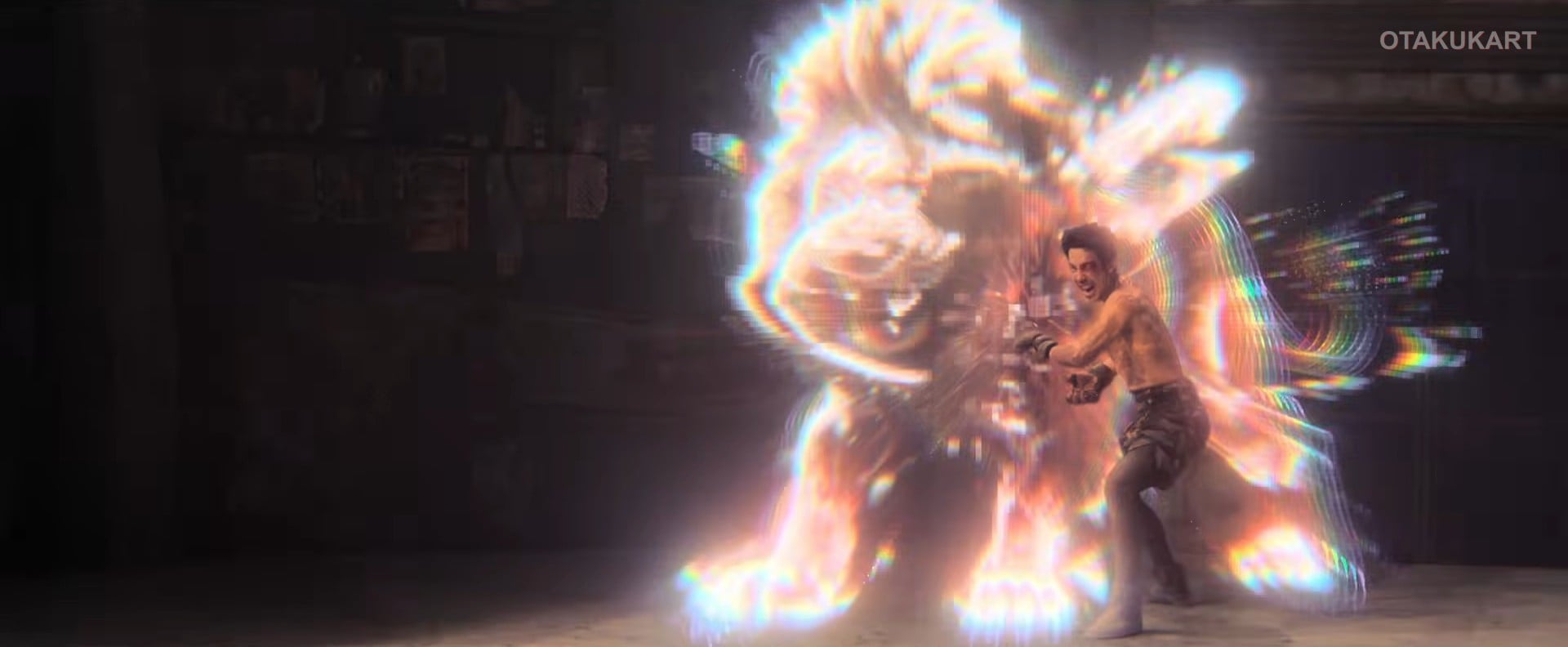
OtakuKart: The nanobots restore a fighter mid-round but consume his body the more he uses them. How early did that cost arrive in the writing, and were you consciously building it as a parallel to what the arena is doing to these people financially?
Paween Purijitpanya: From the very beginning of the project, this story was written because we wanted to explore the theme of gambling, which is a massive issue in countries like ours. The standard tactic of gambling is that the ‘house’ lures players in, making them believe they can actually win. They make the players feel important, tricking them into thinking they can be the hero who beats the game. But in the end, the people who control the rules are the ones who take all the profit. The longer they can maintain this illusion, the more they can drain from the players. This is the exact concept we used when designing the rules for the nanobots and the items in the Mirage Arena.
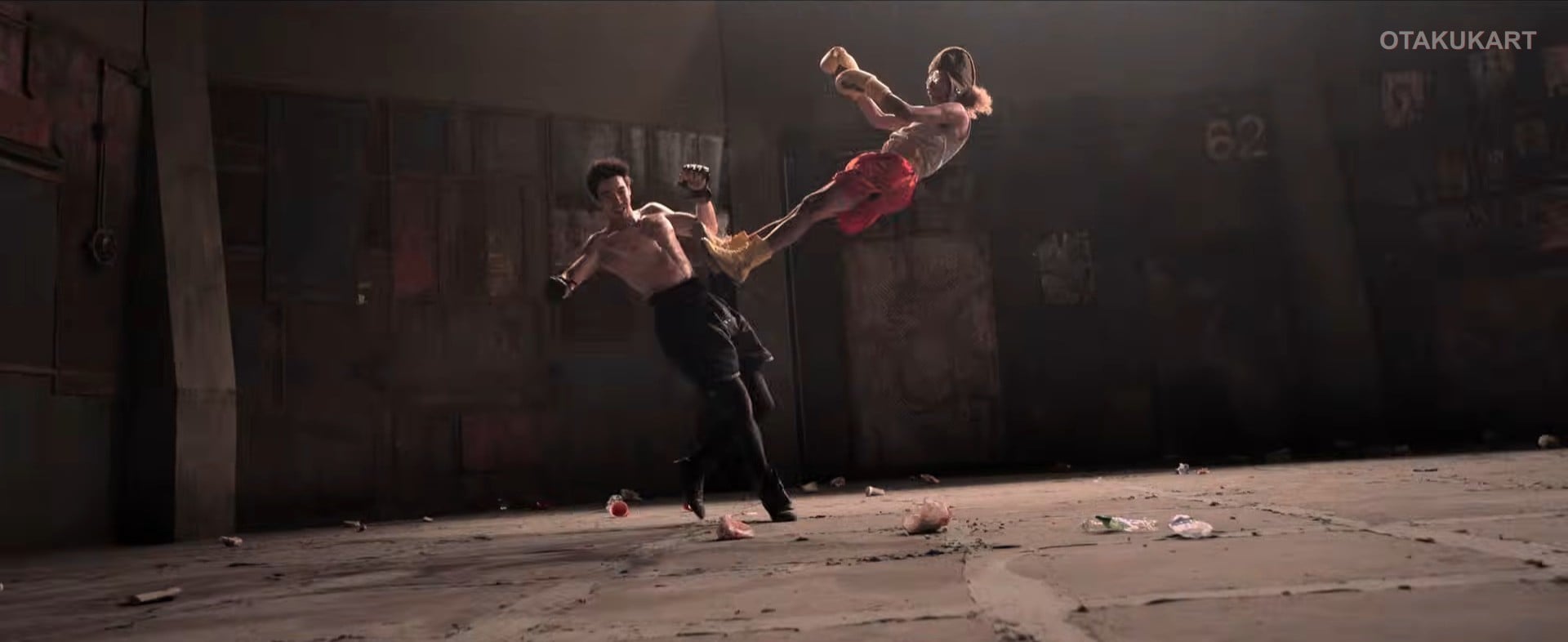
OtakuKart: Panna’s team comes out of a tradition built on doing everything for real, and GOD SKIN layers digital animal spirits over their choreography. How did you and the team work out that balance, and were there sequences, like the fight on the bridge, that you deliberately kept clear of the digital layer?
Paween Purijitpanya: To be honest, our decision to work with the Panna Stunt team wasn’t just because of their track record for creating fiercely realistic action scenes; it’s also because they represent a new generation. Tar, our head of action design; Tong (Panna’s son), who designed the entire training program; and Korn, who led the training and adapted the choreography alongside the actors, are all in their mid-30s. They grew up immersed in the worlds of video games and fantasy films, which made our creative discussions and collaboration incredibly smooth.
My primary input focused on the visuals and what we needed to capture within the frame. Because the challenge of integrating animal powers into the action choreography was planned from the very beginning, the execution was quite seamless. In the end, it turned out exactly as I had envisioned.
As for the question of whether we intentionally balanced the final two action sequences: yes, we did. Narratively, the protagonist, Marwin, starts off being lured in by the vibrant, colorful aspects of this world before gradually uncovering its harsh reality. This progression was designed from the start. Marwin’s first four fights lean heavily into high fantasy. By the fifth and sixth fights, a certain rawness begins to blend with the fantasy. After that, Marwin’s fighting style completely transitions into a raw and brutal mode for the finale.
OtakuKart: The film wears its fighting-game DNA openly, down to a character namechecking Virtua Fighter, Street Fighter, and Tekken. Which games actually shaped how you staged the arena bouts?
Paween Purijitpanya: I’ve always loved fighting games, and they became one of the creative foundations of GOD SKIN from the moment we started writing the script. The game mechanics, signature finishing moves, and even the interface design all shaped the film’s visual language. They help the audience instantly understand the rules of this world without lengthy explanations. At the same time, they tap into something deeper: nostalgia. I wanted viewers to reconnect with the excitement of the fighting games they grew up playing. In a way, watching GOD SKIN should feel like picking up your favorite fighting game again—only this time, you’re inside the arena.
OtakuKart: What did your training with the Panna team actually look like?
Sutthirak Subvijitra: I actually started getting my body ready almost a year before we officially started. Then I trained with the team for about four months before filming, and we kept training throughout the shoot.
The funny part is… I had absolutely no fighting background. So I wasn’t just learning boxing or basic martial arts. We had to train in different styles, and on top of that we had to invent a whole new way of moving for the nanotech powers you see in the trailer.
So nobody really had to tell me, “You’ve been doing this wrong.” I didn’t have any bad habits… because I didn’t really have any fighting skills to begin with. Laughs.
OtakuKart: Marwin changes dramatically throughout the film. How did you reflect that physically?
Sutthirak Subvijitra: Every time Marwin’s nanobots get upgraded, we wanted his fighting to level up too.
By the end of the movie, he’s been through so much, both in and out of the ring, so naturally he fights with a lot more confidence and control.
We wanted people to feel like he wasn’t just getting stronger because of the powers, but because every fight was teaching him something.
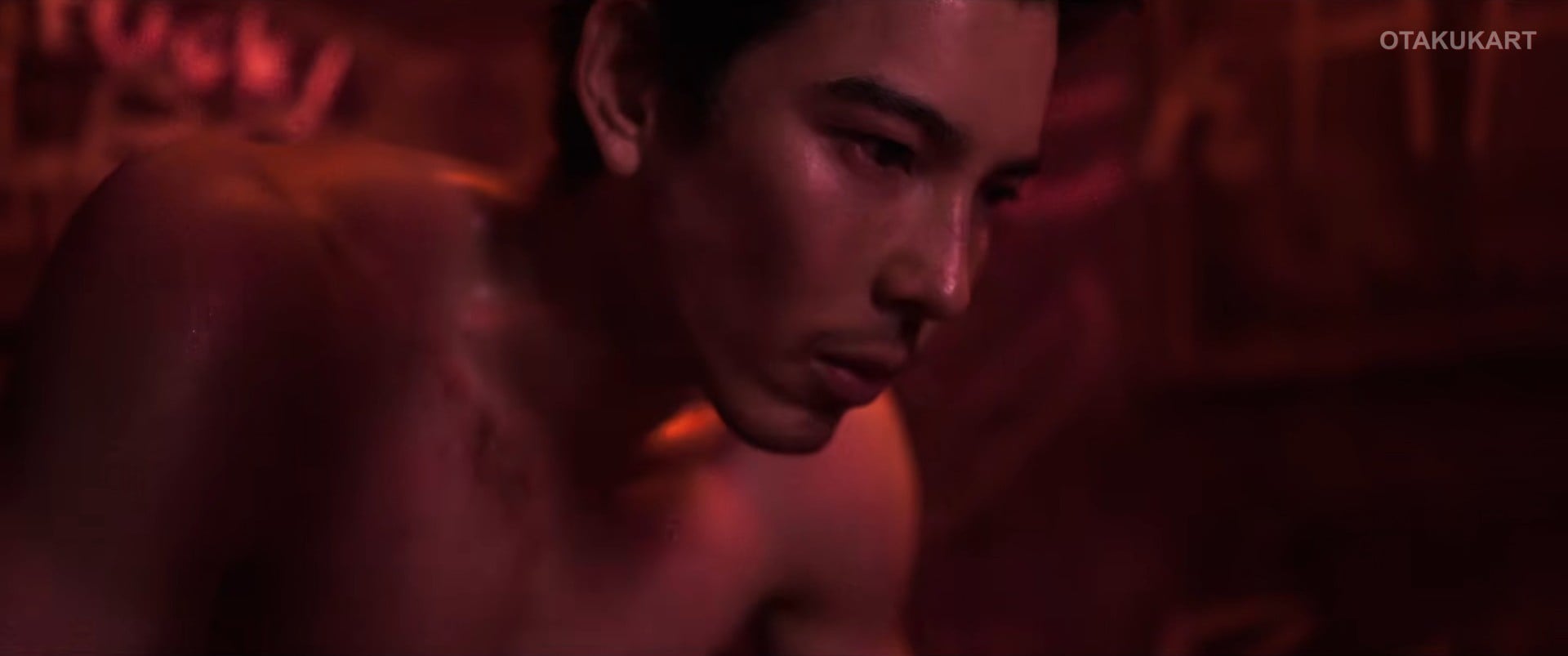
OtakuKart: The animal-spirit boosts weren’t there on set. How did you perform against effects you couldn’t see?
Sutthirak Subvijitra: Whenever we filmed a power scene, Golf, our director, always gave us really clear references, so we knew exactly what was happening even though the effects weren’t there yet. The Panna stunt team also helped us find the best movement for every shot.
As for the price Marwin pays for using the powers… that’s kind of my own little trick. The fight scenes were so physical, but somehow I got pretty good at hiding how tired I actually was. So whenever the nanobots were supposed to be eating away at his body, I just let all that real exhaustion finally show. 🤣🤣
OtakuKart: Marwin has to balance comedy, emotional drama, and intense stunt work. Which was the biggest challenge?
Sutthirak Subvijitra: Honestly, the biggest challenge was that everything had to work together at the same time. The comedy, the emotional moments, the action… they all had to land at exactly the right point in Marwin’s journey.
And then you add stunt work, different camera setups, VFX… sometimes it honestly felt like we were trying to pull off the impossible.
I know it’s not the most exciting answer, but I really can’t say one thing was harder than the others. Everything was hard… just in its own way.
OtakuKart: The version that premiered at Fantasia on August 1 was a working cut. What’s changed between that screening and the film Thai audiences will see on August 27?
Paween Purijitpanya and Sutthirak Subvijitra: The changes between both versions will be minimal. We’re going to polish the VFX and sound based on what we experienced watching it on the big screen with a crowd for the first time at Fantasia. Other than that, there is just one dialogue change. Ultimately, the differences are so minor that we believe audiences at Fantasia and in Thailand will have practically the same experience.