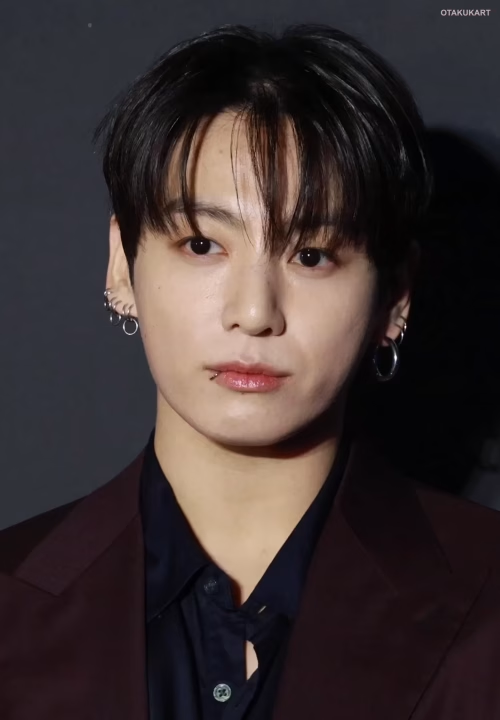
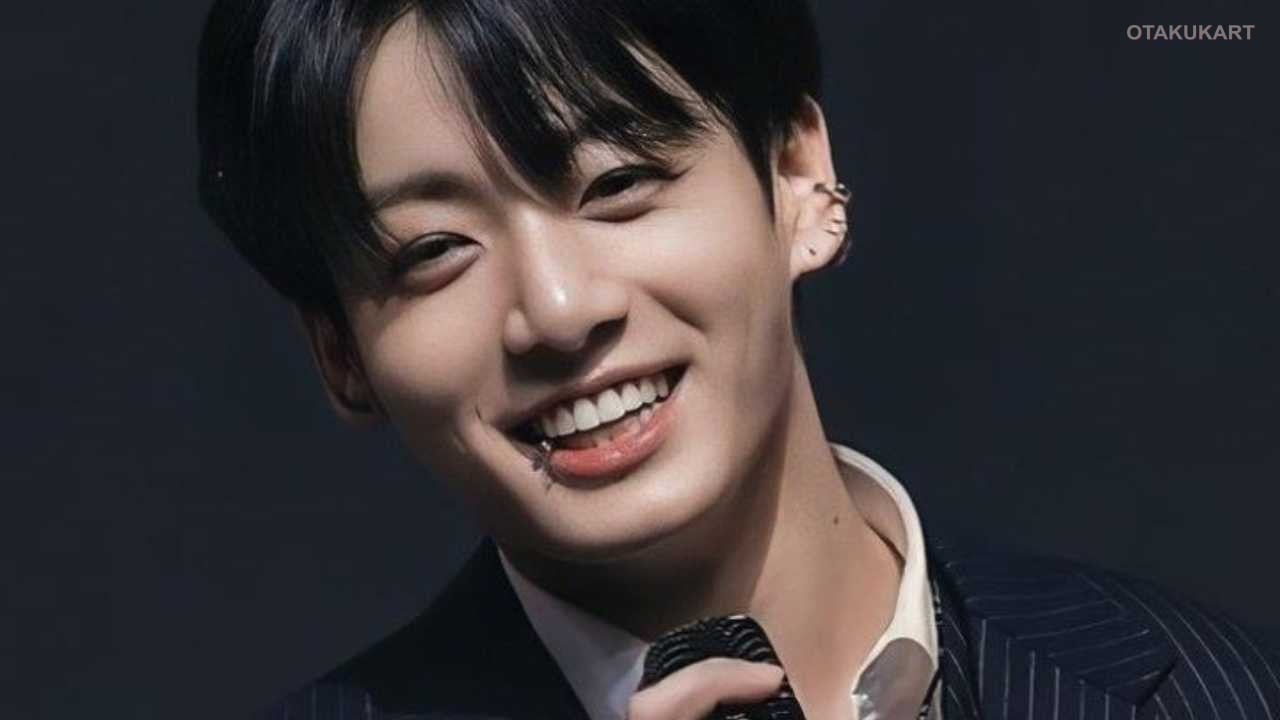
The recurring issue of sasaeng (obsessive fan) culture has reached a boiling point in the South Korean entertainment industry, particularly regarding the personal safety and privacy of BTS member Jungkook.
Celebrities routinely face excessive adoration, but the line between intense fandom and criminal harassment has become increasingly blurred.
A series of escalating security breaches at Jungkook’s private residence in Yongsan District, Seoul, highlights the persistent dangers idols face.
The most prominent case involves a foreign national who repeatedly targeted the artist’s home, triggering a complex legal process that underscores the limits of current legal deterrents in curbing obsessive stalking behavior.
The Indictment of a Persistent Intruder and Legal Loopholes
In early 2026, the Seoul Western District Prosecutors Office officially indicted a Brazilian national in her 30s on charges of trespassing and violating the Act on Punishment of Stalking Crimes.
The indictment followed a highly disruptive multi-month cycle of harassment that began in late 2025.
Between December and January, the individual visited Jungkook’s detached residence approximately 20 times.
Her intrusive actions included repeatedly ringing his front doorbell and leaving personal letters at the property.
When caught in the act and arrested by local authorities in December, she defended her actions to prosecutors, claiming she committed these disturbing acts purely “out of love for Jungkook.”
Following her initial arrest, the suspect was released from custody, and law enforcement authorities issued a restraining order.
This emergency measure legally prohibited her from approaching within 100 meters (roughly 328 feet) of the star’s residence. However, the legal boundaries proved ineffective.
Throughout January and February, the individual openly defied the restraining order, continuing her persistent attempts to breach the perimeter of the residence.
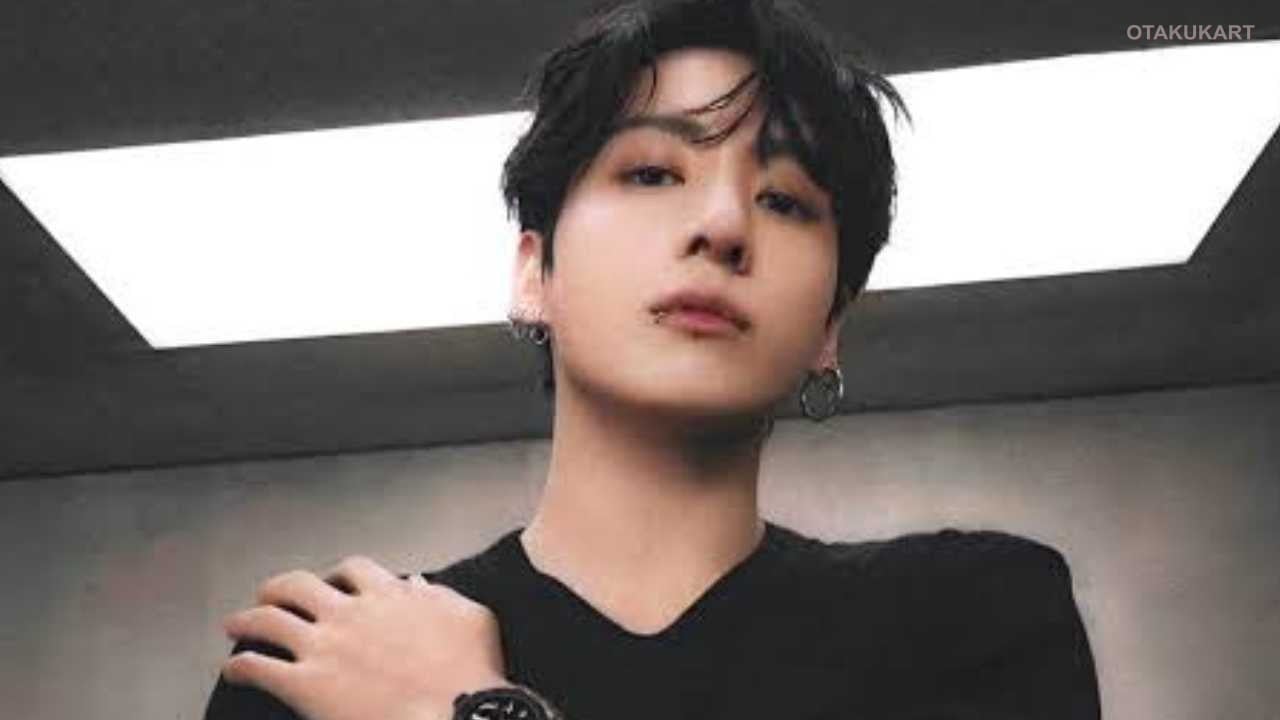
Recognizing that standard warnings were failing to deter the behavior, the police officially referred the case to prosecutors in February, leading to her formal indictment while in custody.
Despite the severity and frequency of the offenses- violating privacy over 20 separate times- the legal system’s initial reliance on release and restraining orders highlighted systemic gaps where stalkers can evade immediate jail time until multiple breaches occur, fueling widespread public frustration.
A Broader Pattern of Security Breaches and the Artist’s Response
The incident involving the Brazilian national is not an isolated event; rather, it represents part of an ongoing, multi-layered security crisis surrounding the singer’s private life.
Jungkook’s residence has repeatedly been targeted by trespassers from diverse backgrounds, reflecting the global scale of the issue.
For instance, a Chinese national in her 30s was apprehended after attempting to guess and input the passcode to his front door.
Shortly thereafter, a Korean national in her 40s was arrested for trespassing in the underground parking area of his residential complex, a case that was referred to prosecutors under similar anti-stalking laws.
Even following his military discharge, subsequent attempts by individuals to press his entrance locks have kept security teams on high alert.
Jungkook has used public platforms to address these violations directly, bypassing standard corporate statements to communicate the personal toll of the harassment.
During live broadcasts, he revealed that he actively monitors his home CCTV system and has watched intruders panic when the police arrive.
He has explicitly requested that people respect his basic human right to privacy, firmly warning that he will pursue strict legal action against anyone who shows up at his home or sends unrequested deliveries.
Despite his clear boundaries, a recent casual interaction where he kindly offered to take photos with fans during a run along the Han River backfired when obsessive individuals used the opportunity to track his route and gather near his home, prompting a fierce warning from the artist on social media.
This continuous pattern has intensified calls from global fans and legal experts for South Korea to implement much stricter penalties under its anti-stalking legislation to protect public figures from psychological distress and physical danger.