
Returning to Night City means stepping back into a world where survival comes at a terrible cost. Corporations exploit the vulnerable, cybernetic enhancements promise power at the expense of humanity, and even the most capable mercenaries can lose everything in a single disastrous mission. Cyberpunk: Edgerunners 2 revisits these familiar dangers while finding a fresh emotional direction through its ensemble of damaged individuals searching for something worth living for.
The 10-episode Netflix series builds on the foundations of its predecessor without simply repeating David Martinez’s tragic journey. Instead, it follows several characters whose lives gradually intersect through violence, revenge, technology, and unexpected friendships. The result is a visually spectacular science-fiction anime that combines the franchise’s trademark brutality with a more optimistic exploration of human connection.
Although the sequel initially takes time to establish its many characters and overlapping storylines, its ambitious narrative eventually comes together in satisfying ways. With expressive animation, a memorable soundtrack, and a compelling expansion of the Cyberpunk universe, Cyberpunk: Edgerunners 2 delivers a worthy successor that develops its own identity.
A NEW ENSEMBLE GIVES NIGHT CITY A DIFFERENT PERSPECTIVE
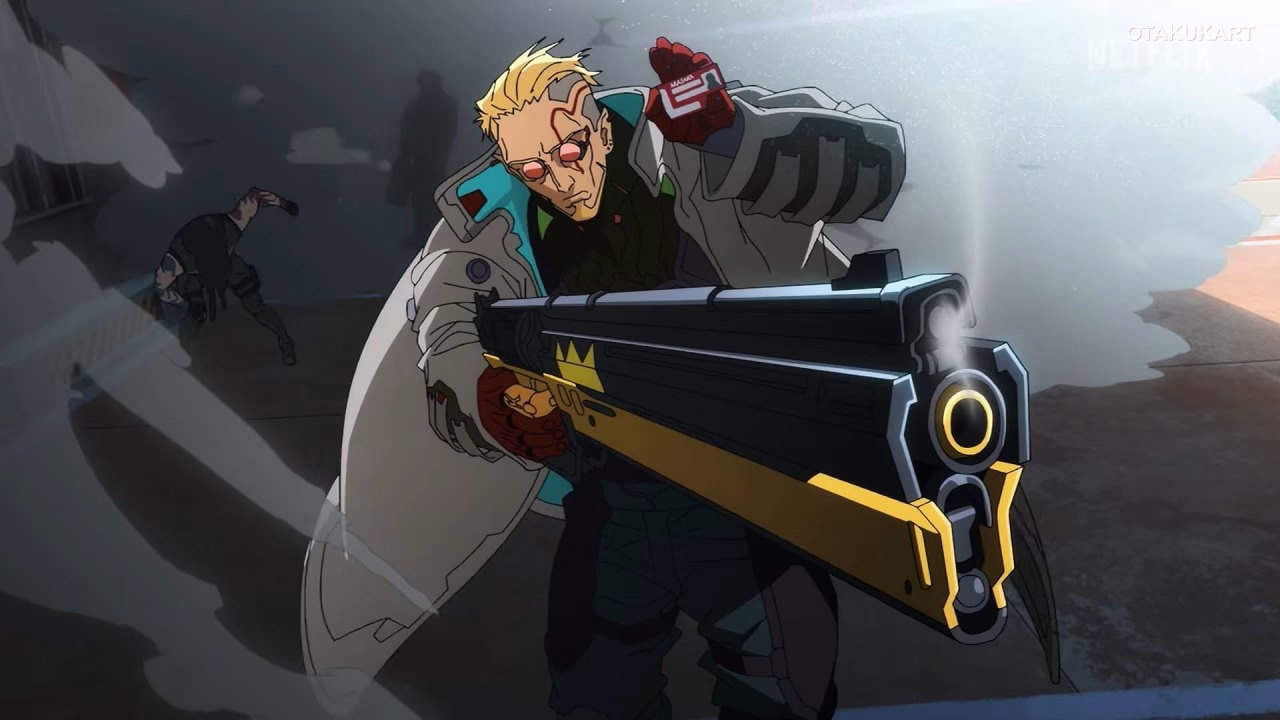
Cyberpunk: Edgerunners 2 introduces several protagonists whose personal struggles offer different perspectives on the dangers of Night City. Weak Kingsley, once a formidable edgerunner, survives a devastating cyberpsychosis incident only to discover that living through the experience has left him physically diminished and emotionally adrift. His struggle to adjust to a life without the power he once possessed provides one of the sequel’s most compelling character arcs.
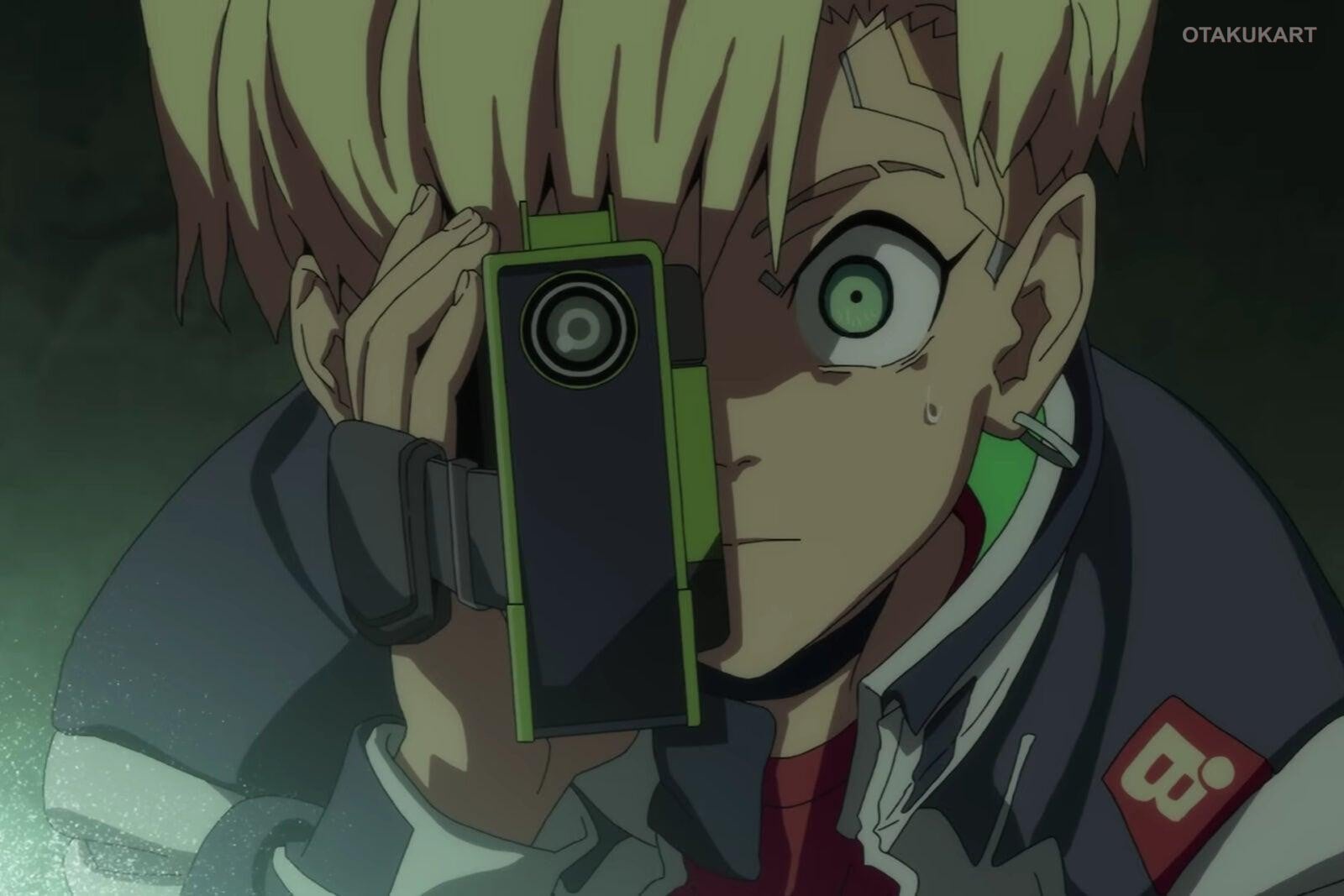
Roman Carax, a 12-year-old aspiring filmmaker, offers a contrasting perspective. In a city increasingly dependent on digital experiences and braindances, Roman prefers recording the world through traditional cameras. His desire to capture something authentic eventually pulls him into dangerous encounters with the Maelstrom gang, whose obsession with extreme cybernetic modifications makes them a terrifying presence.
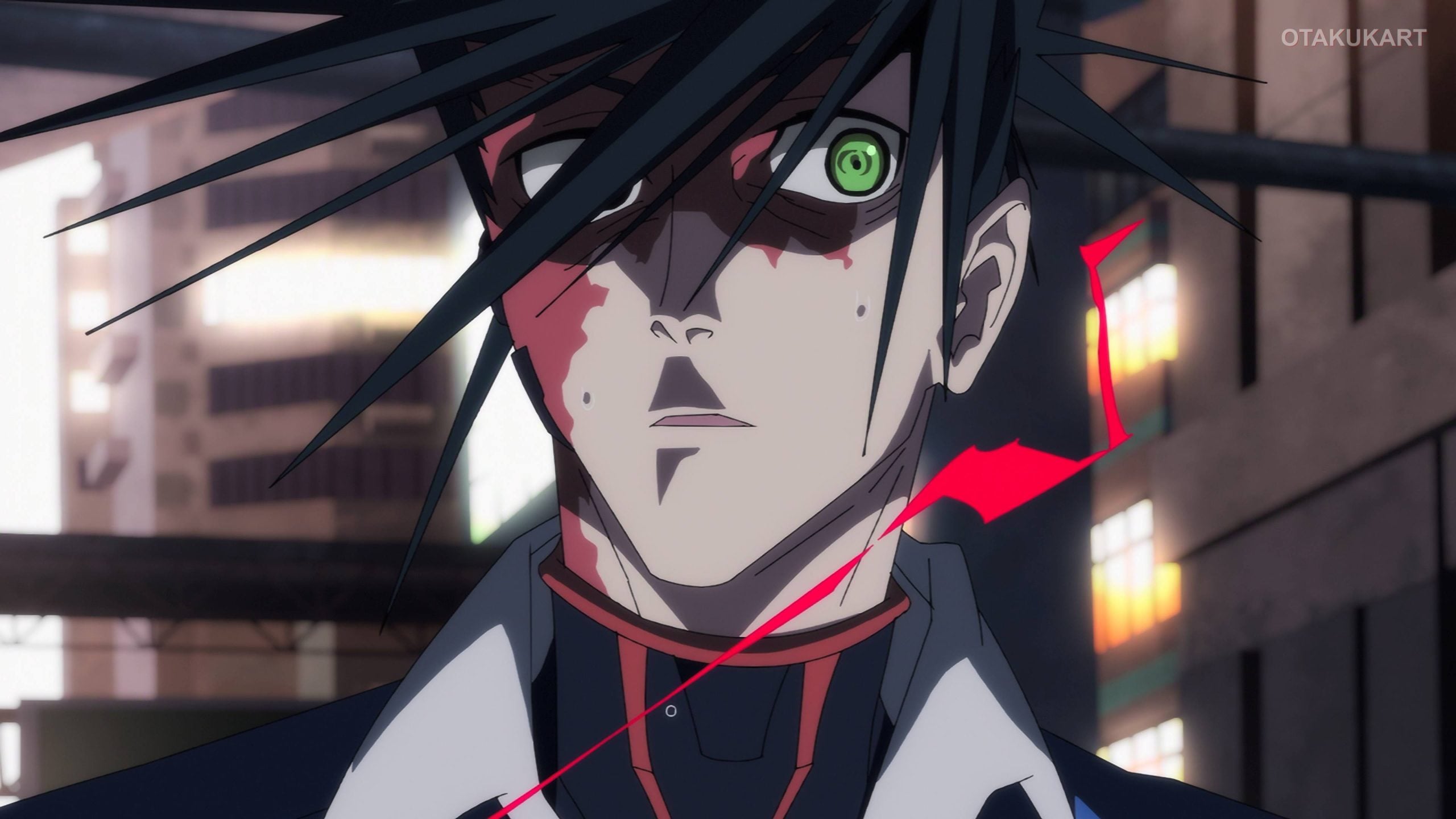
The story also follows D, a netrunner consumed by revenge after losing his Nomad clan, and Talia, a young woman whose relationship with cybernetic enhancements reflects the seductive promise of becoming more powerful. Their intersecting journeys gradually transform the series from a collection of separate struggles into a story about people who can no longer survive by relying exclusively on themselves.
The ensemble approach is one of the sequel’s greatest strengths. Rather than concentrating almost entirely on a central romance, the narrative allows friendships and personal conflicts to develop across multiple storylines. Weak’s experiences also give the familiar dangers of excessive augmentation a different emotional weight, particularly when he encounters someone who appears to be following the same destructive path he once took.
STUDIO TRIGGER DELIVERS SOME OF ITS MOST INVENTIVE ANIMATION
The visual presentation is another major highlight of Cyberpunk: Edgerunners 2. Director Kai Ikarashi retains the franchise’s energetic movement, exaggerated character expressions, sharp angles, and vibrant neon palette while introducing a grittier visual identity. Roman’s commitment to traditional filmmaking also gives the series a distinctive cinematic quality, making several scenes feel like fragments of a lost crime film from the 1990s.
The animation frequently changes its visual language to reflect characters’ psychological states and their relationships with technology. Shadows, silhouettes, distorted perspectives, and sudden shifts in color help distinguish the sequel from its predecessor. These creative choices make the action sequences feel fresh even when the series revisits familiar cyberpunk imagery.
The violence remains unapologetically graphic, with Studio Trigger finding increasingly inventive ways to portray cybernetic destruction and body horror. However, the spectacle rarely feels disconnected from the story. The most effective sequences reveal the consequences of technological excess, reinforcing the dangers faced by characters who believe their enhancements make them untouchable.
A MORE EXPANSIVE STORY WITH EMOTIONAL REWARDS
Where the sequel takes a little time to find its footing is in its narrative structure. Several storylines unfold independently before their connections become clear, and the emphasis on corporate conspiracies, revenge, and world-building occasionally comes at the expense of immediate character development.
Nevertheless, the broader narrative becomes increasingly rewarding as these separate journeys converge. Connections to Cyberpunk 2077, including the significance of the Relic and Soulkiller, help expand the mythology without making the series feel like an extended advertisement for the game. Familiar concepts gain new meaning through the experiences of the new cast.
The introduction of Capri adds another fascinating dimension to the story. Her unusual appearance, unpredictable personality, and extraordinary technological abilities provide a striking contrast to Night City’s grim atmosphere. She also creates opportunities for D to reveal a more vulnerable side, giving his revenge-driven journey moments of genuine warmth.
The soundtrack deserves similar praise. Music helps balance the relentless action with quieter moments of grief, affection, and fleeting happiness. Much like the first series, the sequel understands that its most powerful scenes are not necessarily the most violent ones. Sometimes, watching lonely people discover that somebody genuinely cares about them delivers a stronger emotional impact than any explosive confrontation.
A WORTHY SUCCESSOR TO CYBERPUNK: EDGERUNNERS
Cyberpunk: Edgerunners 2 succeeds by finding a new emotional centre within a familiar dystopian setting. Its ensemble cast, ambitious visual direction, memorable soundtrack, and expanded connections to the Cyberpunk universe make this sequel an exciting return to Night City.
The complicated opening and occasional unevenness in character development prevent it from feeling completely effortless. However, the relationships that emerge across its 10 episodes give the story a satisfying emotional foundation. Instead of simply recreating David Martinez’s tragic rise and fall, the series explores what happens when people who have lost their purpose begin finding meaning in one another.
For fans of science-fiction anime, Cyberpunk: Edgerunners 2 is an easy recommendation. Its brutal action and spectacular animation attract attention, but its underlying belief in friendship, creativity, and second chances makes the experience worthwhile.
The Good
- Stunning animation with inventive visual styles and spectacular action sequences.
- An engaging ensemble of characters with contrasting motivations and personal struggles.
- Strong emotional themes centred on friendship, grief, and finding purpose.
- Excellent soundtrack that enhances both action scenes and quieter character moments.
- Meaningful connections to the wider Cyberpunk universe without requiring prior game knowledge.
The Bad
- Multiple storylines make the opening episodes feel complicated.
- Some characters need more time to develop individually.
- Corporate conspiracies occasionally overshadow the more intimate emotional conflicts.