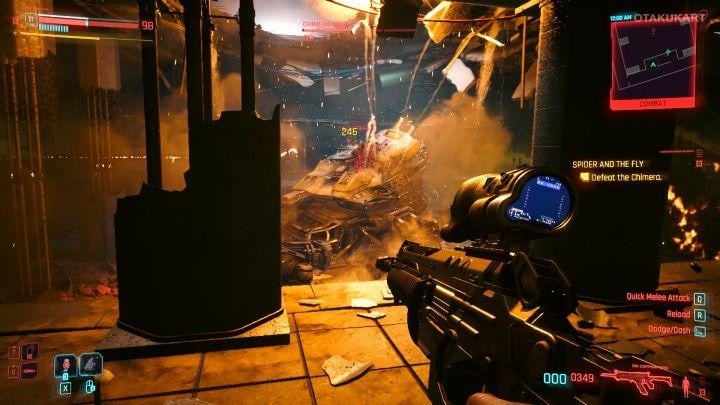
CD Projekt Red has revealed just how much work went into the Chimera boss fight in Cyberpunk 2077: Phantom Liberty, with the encounter taking roughly two years of iteration before the developers were satisfied with the result.
The development story was discussed by game director Gabe Amatangelo, creative director Igor Sarzyński, and art director Paweł Mielniczuk during the latest episode of CD Projekt Red’s official AnsweRED podcast.
Chimera Took Two Years to Get Right
According to Mielniczuk, the team spent approximately two years repeatedly changing and testing the Chimera encounter. The challenge came from having to make gameplay, storytelling, art, and worldbuilding work together during one major sequence.
“It was two years to make this boss fight work,”
Mielniczuk explained during the podcast. He added that the team was constantly iterating on the encounter rather than simply refining a finished design.
Amatangelo explained that the Chimera represented a particularly complicated production challenge because several different disciplines had to come together. The developers wanted the enormous military machine and its weapons to feel genuinely threatening while still serving the story and gameplay.
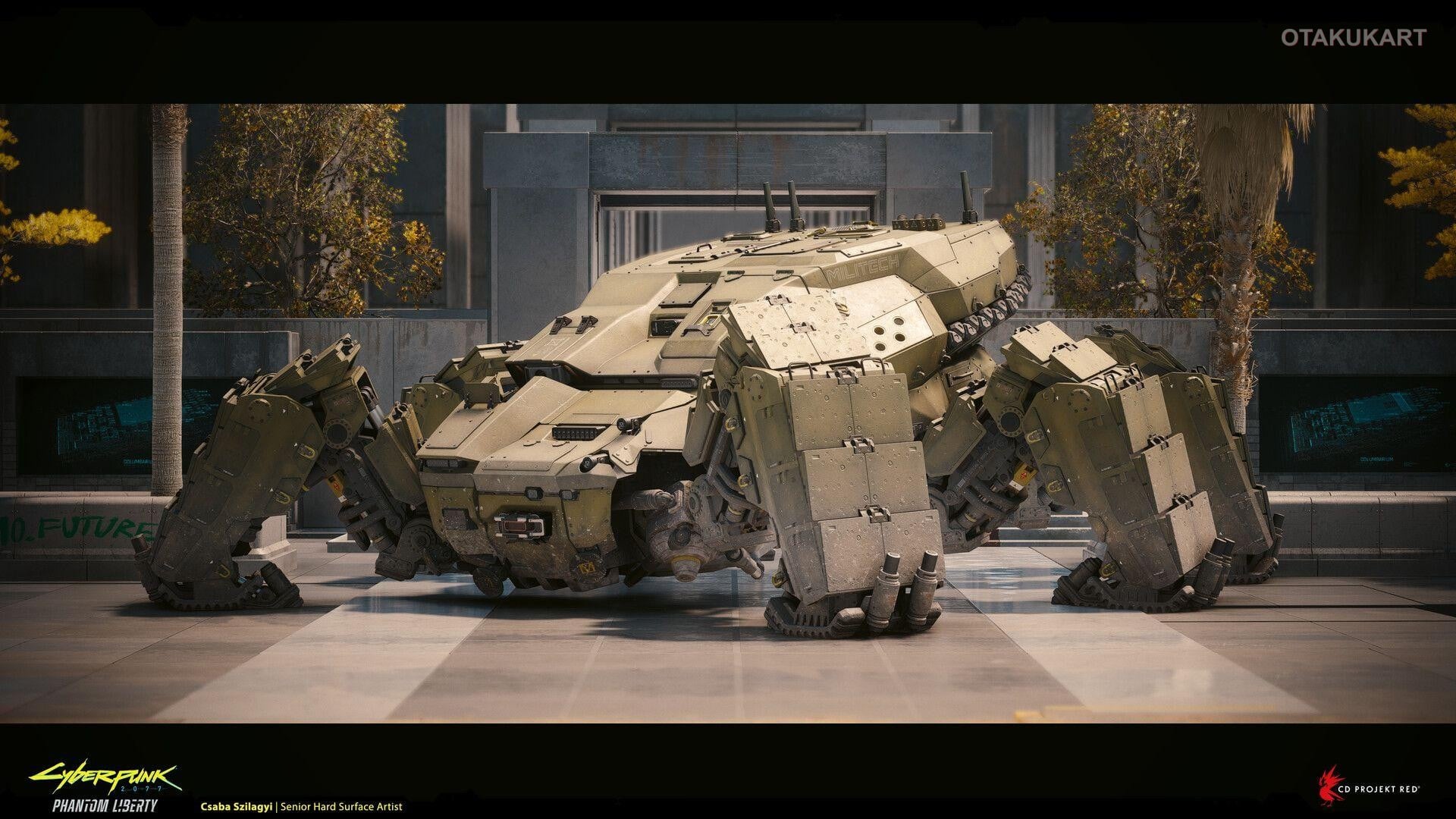
The boss itself also went through substantial visual changes during development. Mielniczuk revealed that the team effectively rebuilt the tank around four times, changing its equipment and weapons as development progressed.
The developers eventually found the right balance by breaking the sequence down beat by beat and determining how the gameplay, narrative and visual spectacle should work together.
Sarzyński also described the Chimera as “one of the most expensive art assets” the studio had created, highlighting the scale of resources invested into the encounter.
That investment ultimately helped make the Chimera battle one of the most memorable sequences in Phantom Liberty. The expansion launched in September 2023 and added a new story campaign, characters and location to Cyberpunk 2077, with the Chimera serving as one of its major early set pieces.