
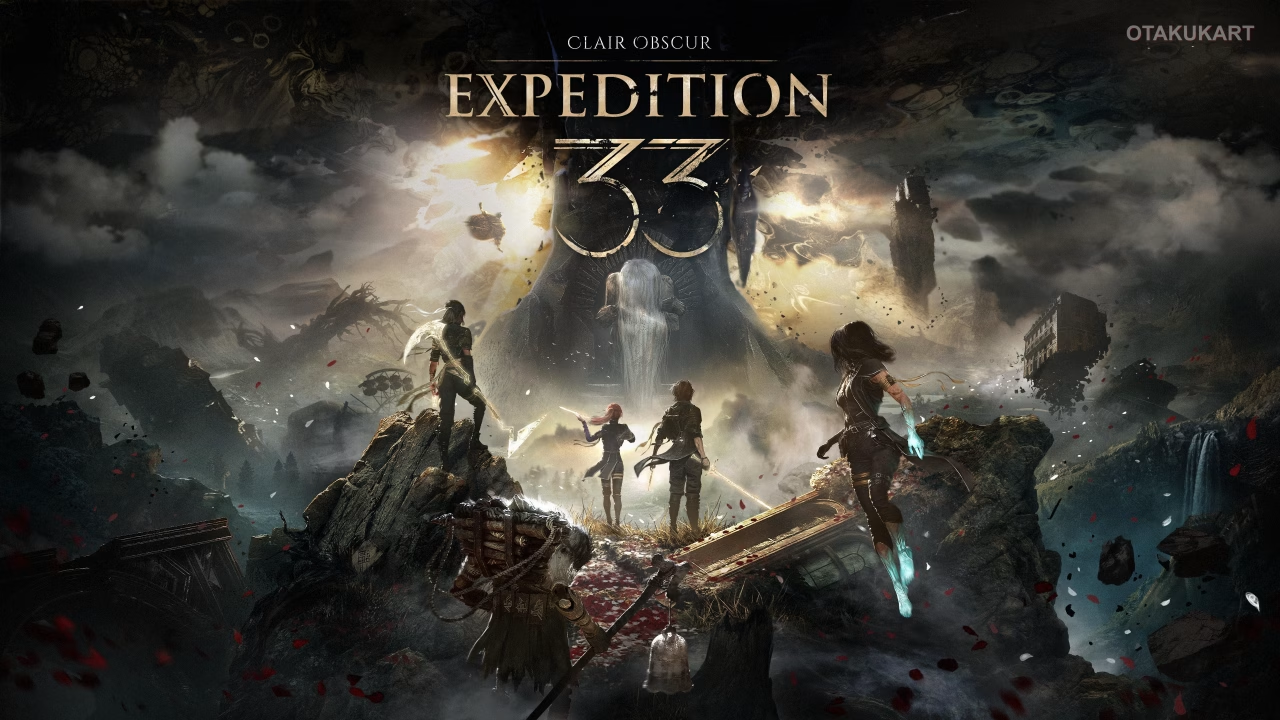
Clair Obscur: Expedition 33 has earned widespread praise since its launch, but according to creative director Guillaume Broche, the game’s imperfections were never accidents. Instead, they were a deliberate part of the design philosophy that shaped Sandfall Interactive’s breakout RPG.
Speaking in an interview with Konbini’s Jeux Vidéo Club, Broche explained that striving for perfection often strips games of the personality that makes them memorable.
The comments provide new insight into the creative decisions behind one of 2026’s most acclaimed role-playing games. Rather than smoothing out every rough edge, Broche and his team chose to embrace ideas that some players might find frustrating or unconventional if they contributed to the game’s overall identity.
Why Sandfall Interactive Didn’t Chase Perfection
During the interview, Broche said many of his favorite games were far from flawless but remained unforgettable because of their distinctive character. Referencing older titles with obvious quirks, he explained that imperfections often become part of what players remember most.
“I think these games are really endearing. You see their flaws and think to yourself, ‘Yeah, it’s lame, but I don’t care. It’s part of the character’s flaws, and that’s what makes them.’ You’re not looking for a perfect game. A perfect game is boring anyway.”
Broche expanded on that philosophy by arguing that games that constantly try to eliminate every imperfection often lose their individuality.
“Games that try to be perfect, that try to fix all their flaws—they’re usually just really boring.”
He even compared game design to human personalities.
“My theory is that it’s just like people. People who try to be perfect are boring because they have no personality. Whereas people who embrace their slightly weird side, in the end, are the interesting ones.”
Risky Gameplay Decisions Were Left Intentionally
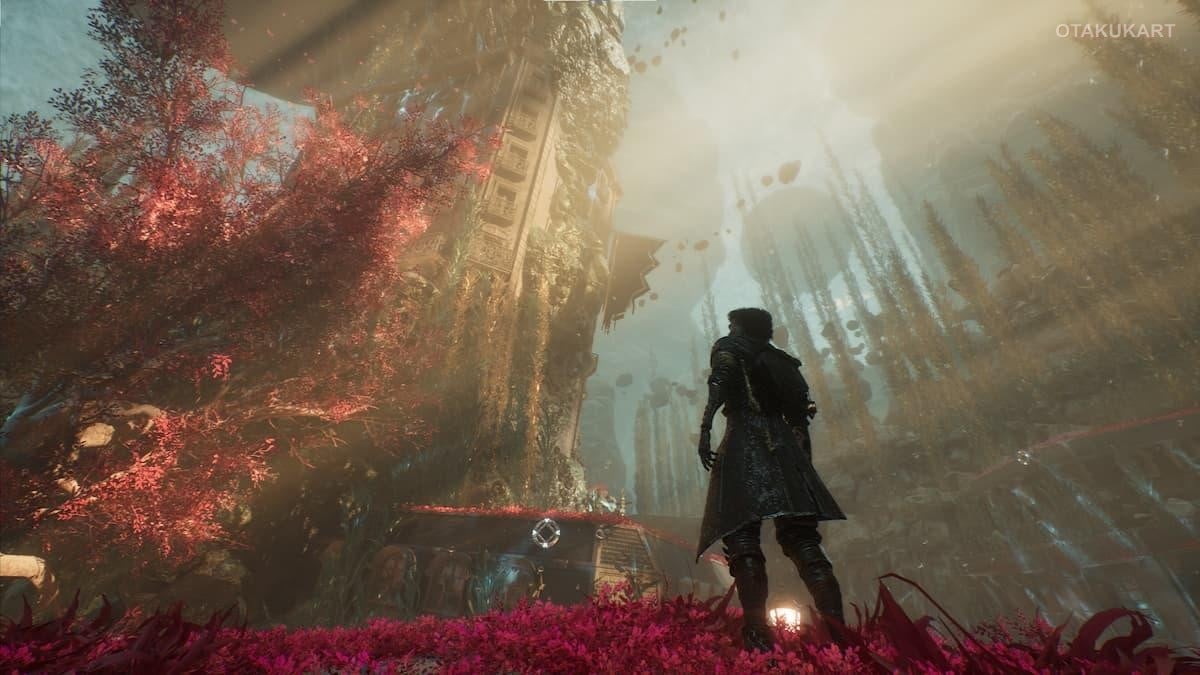
Broche also revealed that several divisive elements in Clair Obscur: Expedition 33 were intentionally left untouched despite the team knowing they might frustrate players. One example was the game’s deliberately difficult minigames.
“We knew when we were making them: it was going to be unbearable, people were going to lose it, but it’s part of the fun. We thought it was funny. And, well, it’s imperfect, but whatever—we’re putting it in.”
He added that the studio understood many of its core gameplay mechanics would appear risky from both creative and commercial perspectives.
Before launch, the team frequently heard criticism about combining turn-based RPG combat with real-time dodging and parrying, with many believing players would reject the hybrid system. Despite those concerns, Sandfall Interactive kept the mechanic because it aligned with the experience the developers wanted to create.