Japan’s anime industry is experiencing unprecedented international growth, but the expanding global audience is also creating new challenges for creators and production committees. Differences in local laws, cultural expectations and social attitudes can affect how Japanese anime is distributed overseas, raising difficult questions about where localization should end and creative freedom should begin.
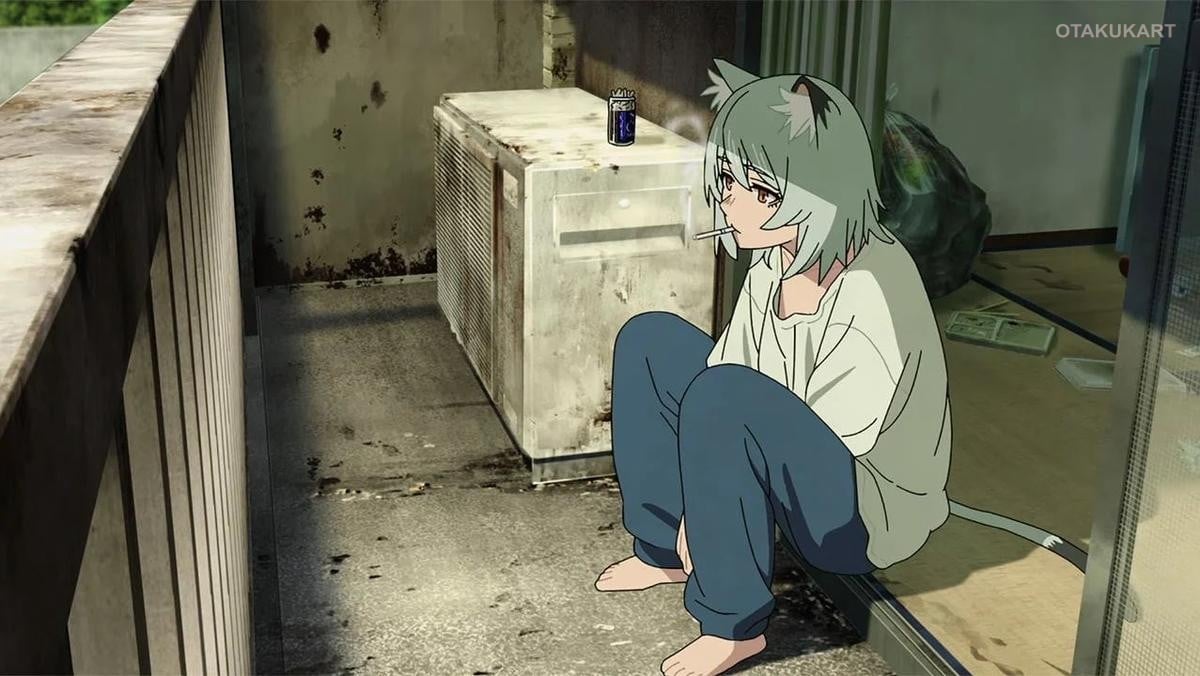
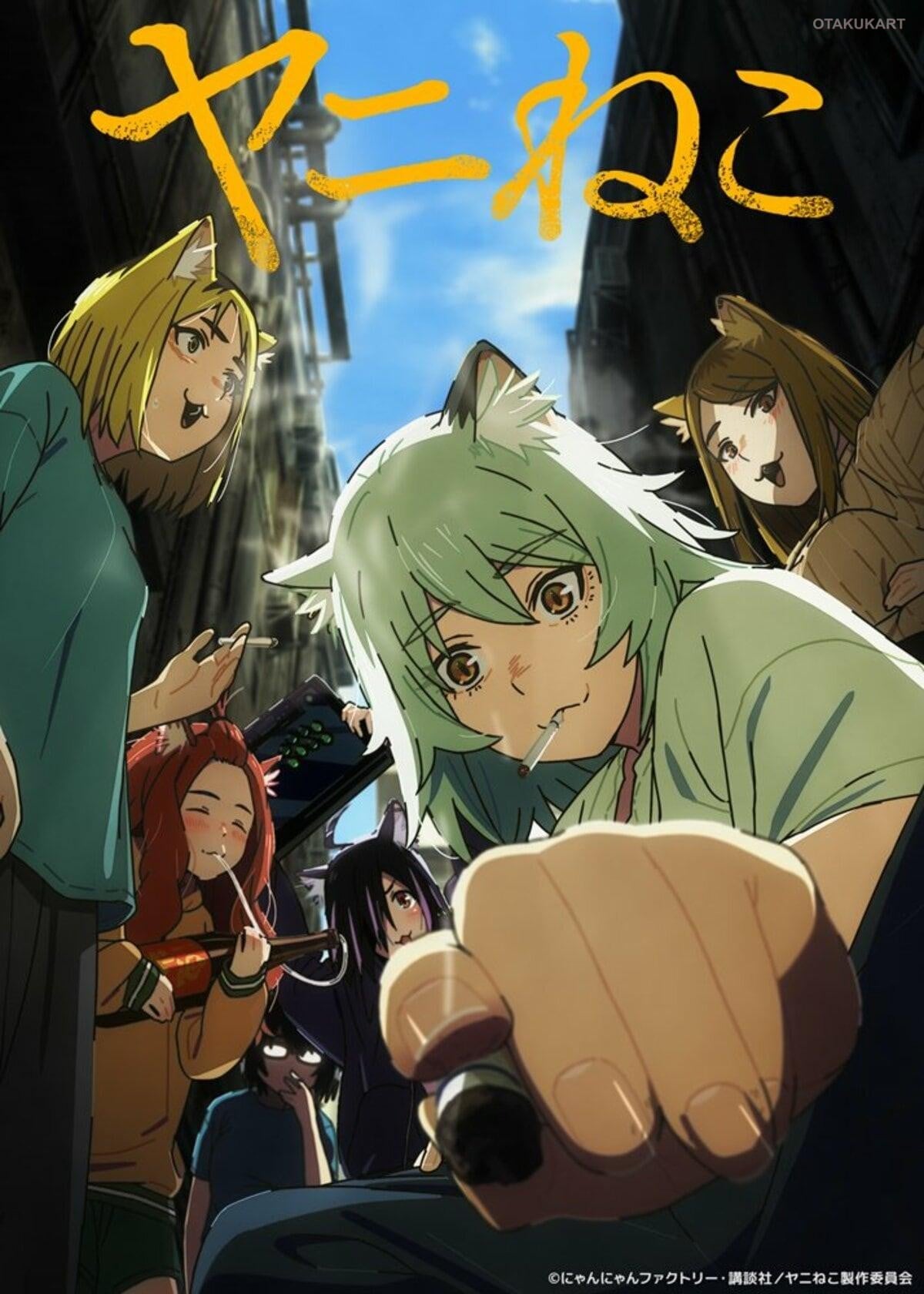
The debate has recently been highlighted by Chainsmoker Cat (Yani-Neko), an anime adaptation of the Kodansha manga that began airing in Japan in July. The series follows an anthropomorphic cat who is frequently shown smoking cigarettes, including scenes where recognizable tobacco brands appear.
After its international release, streaming of Chainsmoker Cat was suspended in Hong Kong following concerns that its repeated depiction of tobacco brands could potentially be considered advertising under local regulations. The production committee confirmed in August that discussions were taking place with its local licensee to determine how the series could be distributed while complying with Hong Kong’s laws.
The situation illustrates a problem that is becoming increasingly important as Japanese anime reaches audiences beyond its traditional international fanbase.
Anime’s global success creates new creative challenges
The financial importance of overseas audiences has grown dramatically. According to the Association of Japanese Animations’ Anime Industry Report 2025, the Japanese anime industry’s 2024 market reached approximately ¥3.84 trillion, with the overseas market accounting for ¥2.17 trillion. International revenue represented the larger portion of the market, demonstrating why overseas distribution has become increasingly important to the industry.
However, international expansion also means Japanese productions must navigate regulations and cultural sensitivities that may not have been central considerations when a work was originally created for a Japanese audience.
Ryo Koarai, an associate professor at Miyagi Gakuin Women’s University specializing in the anime business, told Japan Today that anime is increasingly reaching viewers who have little familiarity with Japanese culture. She noted that creators therefore need to pay closer attention to local cultural, religious, legal and ethical standards.
The challenge is particularly complicated because criticism can now spread instantly through social media, with translation tools allowing reactions from different countries to reach Japanese audiences directly.
Demon Slayer shows how localization can become necessary
Chainsmoker Cat is not the first major Japanese anime to encounter difficulties overseas. Demon Slayer: Kimetsu no Yaiba faced separate controversies involving cultural and religious sensitivities.
In 2019, Aniplex recalled the fourth Blu-ray and DVD volume after a bonus CD included the Islamic call to prayer in a context considered inappropriate. The company apologized after learning more about the religious significance of the audio.
The anime also faced criticism in South Korea over Tanjiro Kamado’s hanafuda earrings, which some viewers felt resembled the Rising Sun Flag. The design was subsequently modified for streaming in the Korean market.
These examples demonstrate why international localization can involve much more than translating dialogue or changing jokes.
Experts warn against making anime too cautious
Koarai also warned that excessive concern over international reactions could damage the qualities that make Japanese works distinctive.
“If creators become too sensitive, a work can lose its flavor,”
she said, according to Japan Today. She argued that overseas audiences may also want to experience Japanese works in their original form rather than seeing them extensively altered to satisfy every market.
At the same time, Bandai Namco has developed internal processes designed to identify potentially problematic expressions before they create issues. Jun Takei of Bandai Namco Filmworks explained that its teams consider how particular creative decisions could be interpreted by different audiences while still respecting the intentions of directors and producers.
“There is no single right answer,”
Takei said, highlighting the central dilemma facing the industry.
For anime companies, the growing international market offers enormous opportunities, but Chainsmoker Cat demonstrates that global success can also require difficult decisions about regulation, localization and how much a creative work should change for different audiences.