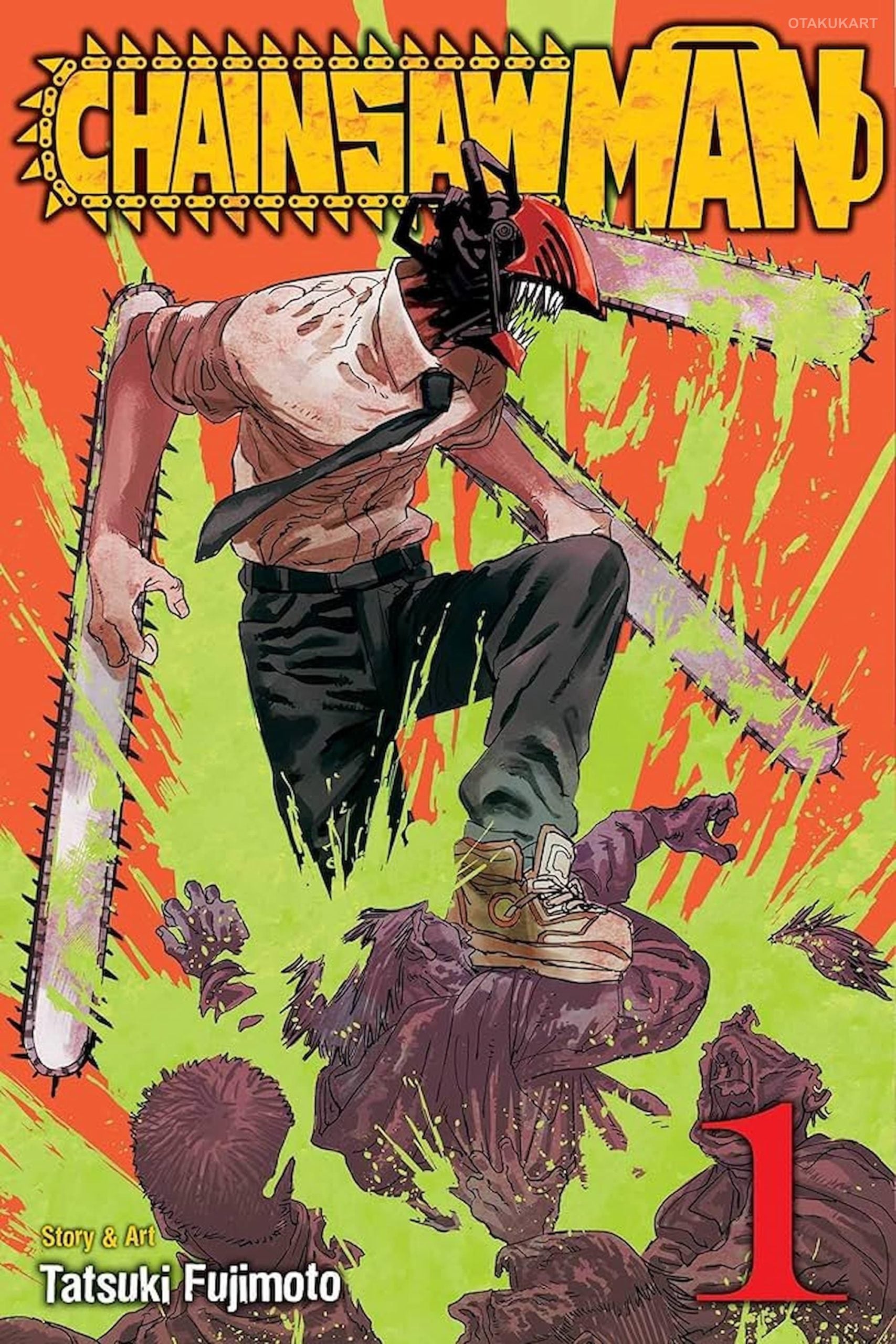
The ending of Chainsaw Man Part 2 has sparked extensive discussion among fans, particularly after Chapter 232 brought the manga’s latest storyline to a close. While readers have spent considerable time trying to explain the series’ unusual final stretch, creator Tatsuki Fujimoto has now offered insight into the creative process behind it.
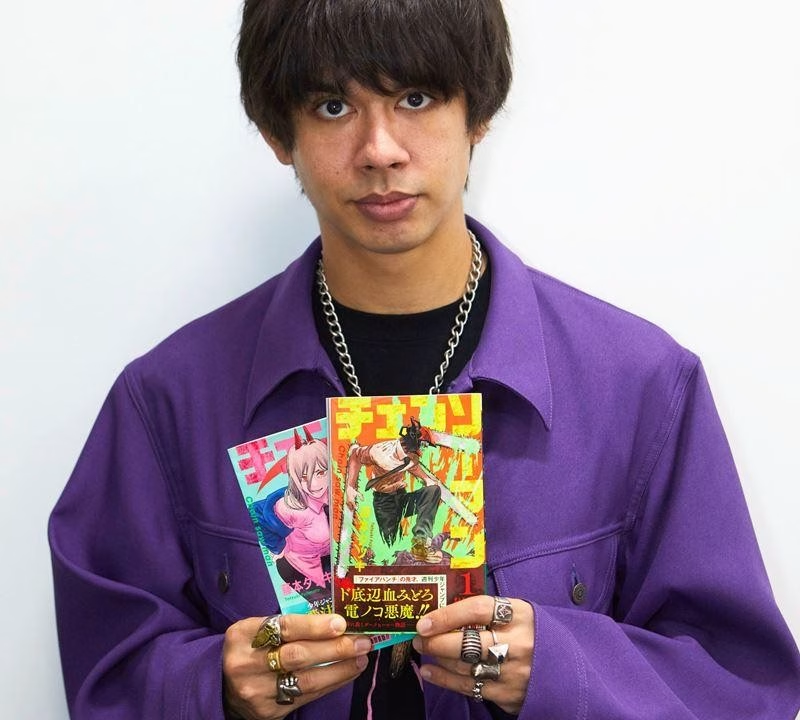
In a recent conversation with director Kohei Kadowaki, who is working on the upcoming film We Are Aliens, Fujimoto discussed the realities of creating Chainsaw Man under a demanding serialization schedule. His comments suggest that the manga’s unpredictable storytelling was partly shaped by the limited time available to plan each chapter.
Fujimoto Had Little Time to Plan Chainsaw Man’s Story
According to Fujimoto, producing 19 pages every seven days left little opportunity to develop a detailed plot before beginning the next chapter. Instead of writing a story outline first, he often had to move directly into creating the manga’s storyboards, known as name.
“When you have to draw 19 pages in seven days, you don’t have time to write a plot first,”
Fujimoto explained during his conversation with Kadowaki, as reported by Animehunch.
The process was substantially different from how he approached one-shot manga. Fujimoto explained that he normally has enough time with a one-shot to establish the plot before working on the storyboard. Weekly serialization, however, removed much of that flexibility.
“You’re so hounded by deadlines that you have no choice but to trust the characters and grab whatever is nearest to you,”
he said.
That approach helps explain why Chainsaw Man can frequently take unexpected turns. Rather than carefully plotting every development several chapters in advance, Fujimoto was often responding to the story as it developed on the page.
Chainsaw Man’s Lack of Control Became Part of the Process
Fujimoto did not describe this lack of control entirely as a problem. Instead, he said he came to enjoy the unpredictability that resulted from working under those conditions.
“You lose the luxury of overthinking things. Things slip out of your control, right?”
Fujimoto said.
“I personally enjoy things being outside my control, so I just roll with it.”
For Fujimoto, embracing that uncertainty became an important part of surviving serialization. He suggested that creators working under such pressure have to accept that not everything can remain under their control.
This is particularly interesting when looking at Chainsaw Man, a manga known for sudden tonal shifts, unexpected character decisions, absurd humor, and developments that frequently move away from conventional shonen storytelling.
Fujimoto Wanted Chainsaw Man to Leave Readers With an Unusual Feeling
The author’s comments also connect with something he previously discussed regarding the kind of ending he wanted for Chainsaw Man.
In an earlier interview with Da Vinci Magazine, Fujimoto discussed his admiration for The Big Lebowski and its unconventional conclusion. He particularly liked how the film could leave viewers wondering what the point of everything was while still giving its protagonist meaningful development.
Fujimoto said he wanted Chainsaw Man to leave readers with a similar “sublime absurdity” after reaching the end.
That perspective suggests that the manga’s lack of a conventional resolution should not necessarily be interpreted as an accidental result of an exhausted serialization process. While the weekly schedule clearly affected how Fujimoto developed the story, the author’s preference for unpredictability appears to have been a deliberate part of his creative philosophy.
His latest comments therefore offer a different way of viewing the ending of Chainsaw Man Part 2. The manga may have emerged from a process where Fujimoto had less time to control every plot development, but that freedom also allowed the characters and story to move in unexpected directions.
For now, Fujimoto’s comments do not confirm whether Chainsaw Man will continue with another major manga part. They do, however, provide a clearer picture of why the series has always embraced uncertainty rather than a conventional storytelling structure.