
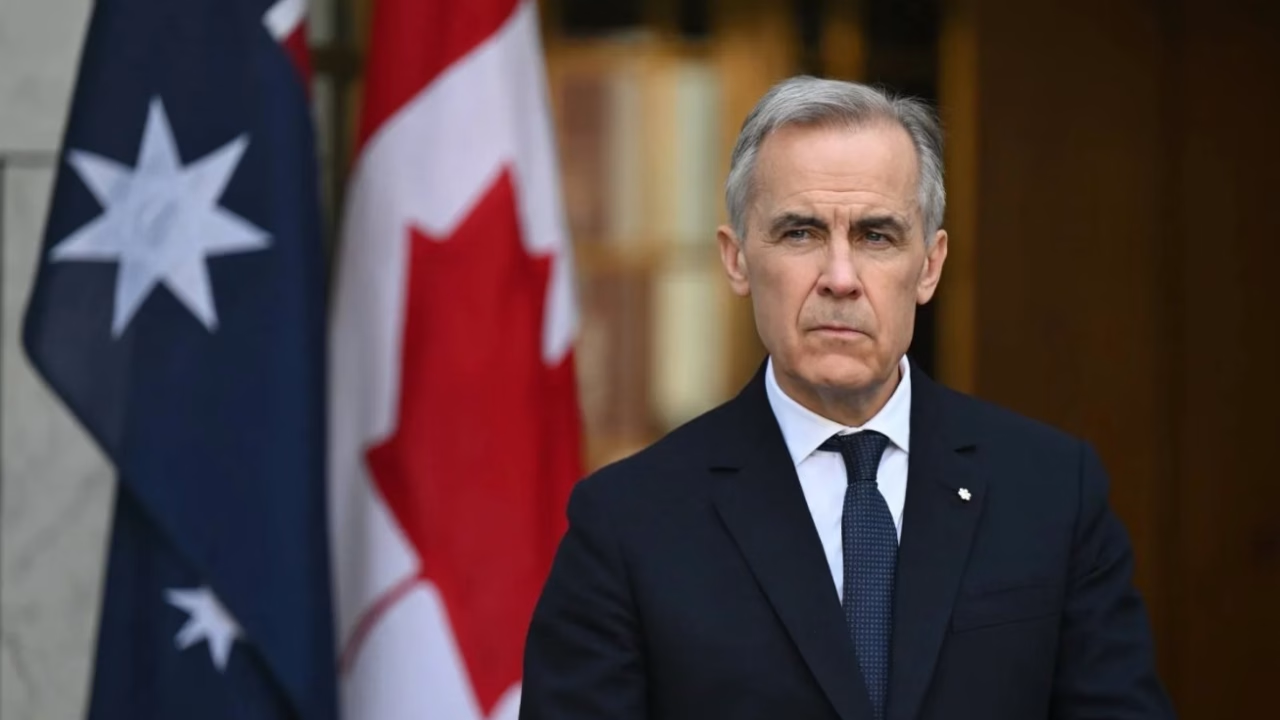
Canada’s government has stepped in to halt a controversial streaming regulation that could have forced platforms like Netflix, Amazon Prime Video, and Disney+ to invest billions into local content. The decision, announced by Prime Minister Mark Carney, immediately reshapes how global streaming giants operate in the Canadian market.
While the government argues the move is necessary to prevent rising subscription costs, critics say it represents a major policy reversal that could hurt Canada’s domestic entertainment industry.
Why Canada Stopped the Streaming Fee
At the center of the debate is the Online Streaming Act, a law designed to ensure foreign platforms contribute to Canadian and Indigenous content production. Regulators had proposed requiring streaming services earning more than C$25 million annually in Canada to invest 15 percent of their revenue into local programming.
However, the federal government has now directed regulators to revise or scale back those rules. Carney defended the decision by pointing to affordability concerns, stating,
“This is not the time to make Canadians pay another C$50.”
The statement reflects the government’s concern that forcing companies to pay higher fees would ultimately result in increased subscription prices for consumers. By pausing the rule, Ottawa aims to ease financial pressure on households already dealing with rising costs.
Trade Tensions Add Political Pressure
The timing of the decision has raised questions about its broader motivations. The policy shift comes amid ongoing trade tensions between Canada and the United States, where American officials have criticized the Online Streaming Act as unfairly targeting U.S.-based tech companies.
According to Politico, U.S. Trade Representative Jamieson Greer had previously flagged the regulation as discriminatory. Canadian officials had also hinted earlier this year that the law could become a sticking point in trade negotiations.
Although Carney has denied any direct link between the policy change and trade discussions, critics remain skeptical. Some argue the move reflects a pattern of concessions aimed at easing tensions with the United States.
Industry Reaction: Support and Backlash
The response to the decision has been sharply divided. Streaming companies have long opposed the proposed levy, arguing that it would unfairly burden international platforms operating in Canada.
On the other hand, Canada’s domestic media industry has reacted with concern. The Canadian Media Producers Association warned that rolling back the policy could undermine local storytelling and reduce funding for Canadian productions.
Industry representatives argue that the original rule could have generated up to C$2 billion annually for Canadian content. In contrast, the government has proposed a significantly smaller C$600 million investment in the sector, leaving a substantial funding gap.
Critics have gone further, accusing the government of prioritizing foreign tech companies over domestic creators. Some political leaders have described the move as “surrendering billions” that would have supported Canadian culture.
What This Means for Netflix and Other Streamers
For major platforms like Netflix and its competitors, the decision removes a significant financial obligation, at least for now. Without the 15 percent revenue requirement, companies will have more flexibility in how they allocate resources in the Canadian market.
However, this does not necessarily mean lower prices for subscribers in the long term. Critics point out that streaming services have historically increased subscription costs regardless of regulatory changes, raising doubts about whether consumers will see immediate benefits.
The policy shift also leaves uncertainty about the future of Canadian content funding. While the government has pledged alternative support, the scale of that investment remains far below what the original regulation would have generated.