

Indie cozy game Burgie’s Cozy Kitchen has become an unexpected talking point in the PC gaming community, not only for its relaxing gameplay but also for the staggering level of piracy surrounding its Steam release. According to solo developer HeyNau, nearly 99% of the game’s active players are using pirated copies, a discovery made while reviewing backend data.
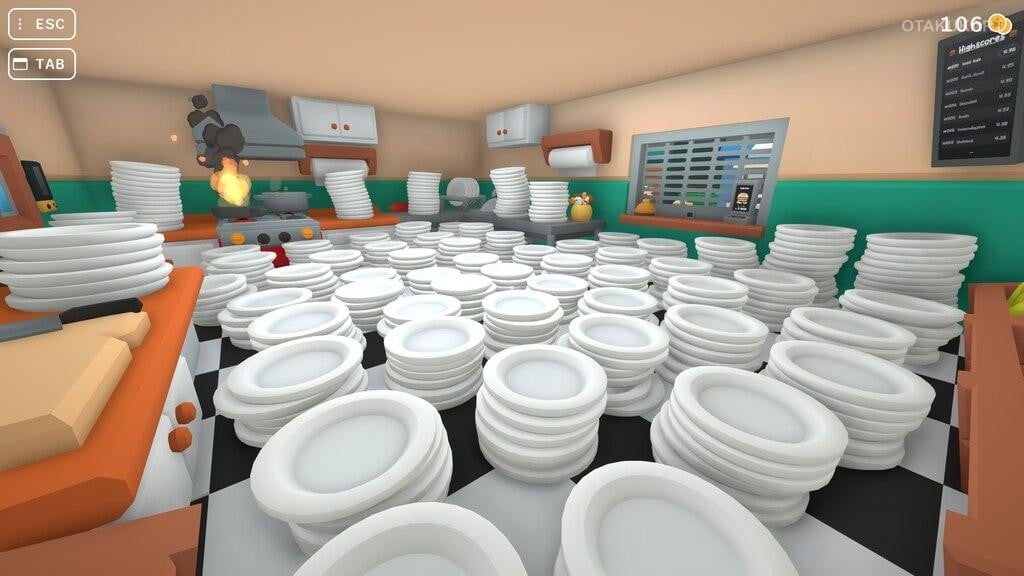
The revelation comes just weeks after the game went viral for introducing a humorous anti-piracy mode that doesn’t block gameplay but instead fills the restaurant with pirate-themed customers who refuse to pay full price for their meals, slowing player progression.
Developer says backend data revealed overwhelming piracy
In a post on Reddit, HeyNau explained that unusual player activity led to a closer inspection of the game’s backend.
“Every time I hit refresh, at any hour of the day, exactly 22 of the last 25 entries had that name,”
the developer wrote, referring to usernames linked to a well-known Chinese piracy website.
After expanding the sample size, the developer concluded that
“99% were pirates.”
To reduce unauthorized copies, HeyNau partnered with a Chinese publisher to release a localized mobile version with regional features and translations. While that helped improve legitimate mobile sales, PC piracy remains a significant issue.
Viral anti-piracy system boosts visibility despite lower sales
Despite the overwhelming number of pirated copies, Burgie’s Cozy Kitchen has continued to grow. The game’s creative anti-piracy mechanic attracted widespread attention online, helping it achieve record sales in June 2026 and nearly doubling its peak concurrent player count in the weeks that followed.
However, HeyNau admitted the situation remains emotionally difficult. The developer revealed that game sales have fallen by around 40%, prompting a reassessment of earlier views on piracy.
“I never condemned it or looked down on anyone for pirating,”
HeyNau wrote.
“But now that 99% of players are pirates and the game’s sales have dropped by 40%, I’ve begun doubting that piracy exists in parallel with healthy growth.”
The story has reignited debate over piracy, DRM, and how independent developers balance accessibility with protecting the financial future of their games.