
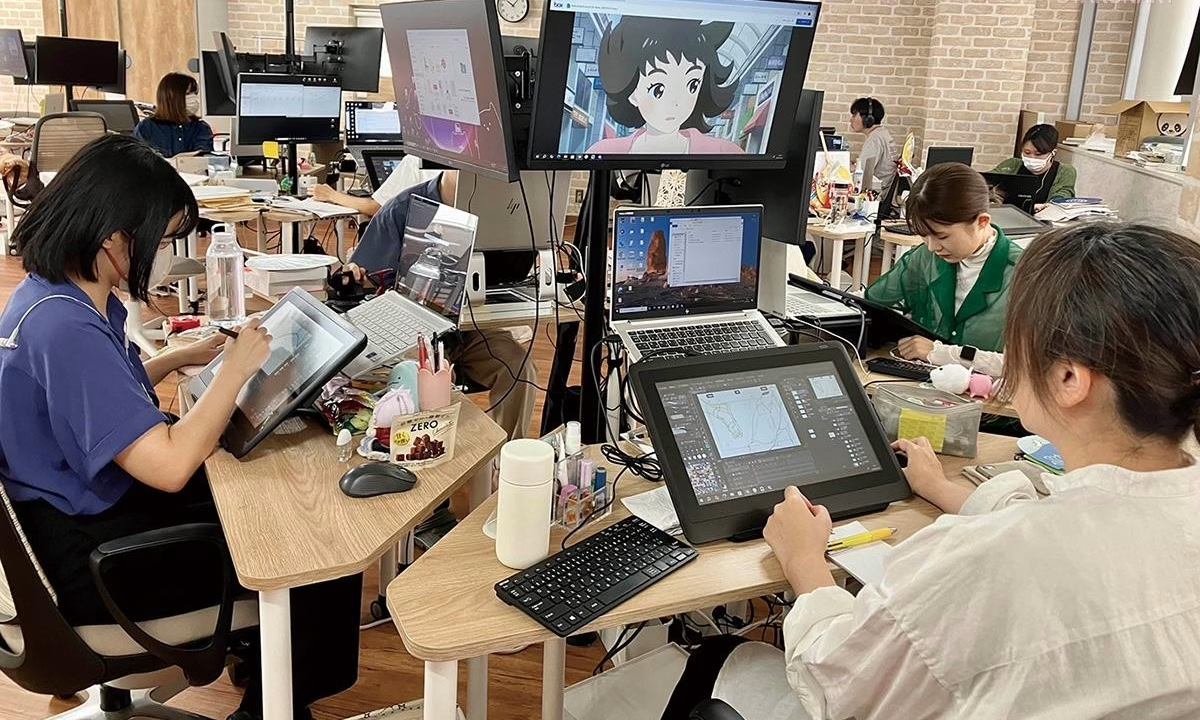
Japan’s anime industry is bigger than ever, with the broader market reaching a record ¥3.8407 trillion in 2024. However, the enormous figure does not mean every company involved in anime production is benefiting equally. Overseas demand has become a major driver of growth, while rising labor and technology costs are putting additional pressure on studios.
The gap is particularly striking among anime companies themselves. According to figures cited from research firm Teikoku Databank, 45.7% of anime companies increased their profits in fiscal 2025, while 53.5% either saw profits decline or recorded losses. That creates a sharp contrast between the industry’s record market size and the financial reality facing many individual businesses.
Why Anime’s Record Growth Is Not Equal
The ¥3.8 trillion figure represents the broader anime market, which includes areas such as overseas business, merchandise, streaming, music, theatrical releases and other related revenue. The Association of Japanese Animations’ data shows that overseas business accounted for ¥2.1702 trillion, or 56.5% of the 2024 market.
That distinction matters because the size of the overall market does not directly represent the money available to animation studios. Production companies face their own expenses, including salaries, outsourcing, equipment, digital infrastructure and other production costs.
Smaller studios can be particularly vulnerable because they may lack the financial resources needed to invest in new technology while simultaneously competing for experienced animators.
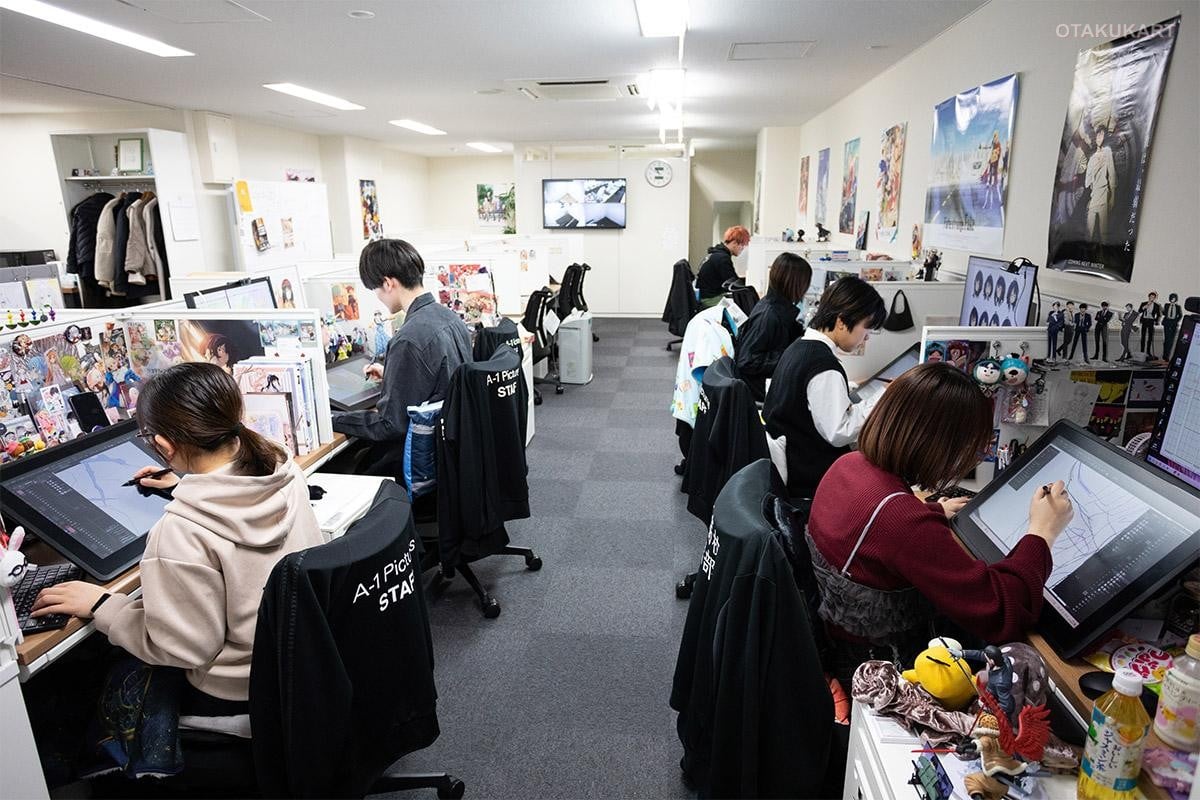
Anime Studios Face a Growing Labor and Cost Problem
The industry’s production workload has also become more demanding. Higher expectations for animation quality can require productions to spend considerably longer in development, increasing the amount of labor needed to complete each project.
At the same time, Japan’s declining birthrate is making it harder for studios to recruit enough workers. Anime director and Japan Animation Creators Association representative Ryuichi Kimura said competition for staff is pushing companies to improve their working environments because securing skilled employees has become increasingly difficult.
The latest JAniCA survey collected 983 valid responses from people working in Japan’s commercial animation industry. The organization has also tracked a substantial shift toward permanent employment compared with earlier surveys.
A Bigger Anime Industry Does Not Guarantee Healthier Studios
The financial divide demonstrates why anime’s record growth cannot be measured solely through its headline market value. Some companies are benefiting from international demand and valuable intellectual property, while others are struggling with production expenses and limited access to skilled workers.
Japan is also taking steps to improve conditions for creators. In June 2026, the Japan Fair Trade Commission and Cabinet Office published guidelines intended to promote proper transactions between businesses and creators working in anime and film production.
The challenge now is ensuring that anime’s extraordinary global growth translates into a sustainable production ecosystem. A ¥3.8 trillion market may show how valuable anime has become, but the 53.5% figure shows that the industry’s financial success remains unevenly distributed.