Nintendo’s Switch has become one of the most successful gaming consoles ever released, but its impact on Japan’s domestic console market may extend beyond hardware sales. According to industry analyst Dr. Serkan Toto, the Switch’s success potentially prevented Japan’s dedicated console market from being pushed aside by mobile and PC gaming.
Nintendo’s latest official figures list the original Switch family at 156.59 million units sold worldwide, putting it within striking distance of the PlayStation 2’s reported lifetime sales. More importantly for Japan, Toto believes the hybrid system’s popularity helped maintain consumer interest in dedicated gaming hardware after the disappointing performance of the Wii U.
A Failed Switch Could Have Changed Japanese Gaming
Speaking with The Game Business, Toto discussed how dramatically Nintendo’s position in Japan has changed since the Switch launched in 2017.
“Nintendo has had an iron grip on the Japanese console market since 2017 when the Switch 1 came out,”
Toto said. He went further by arguing that another major Nintendo hardware failure could have fundamentally changed the market.
“If Nintendo produced another flop like the Wii U, and if the Switch wasn’t the super hit it turned out to be, the Japanese console market would have been completely eliminated,”
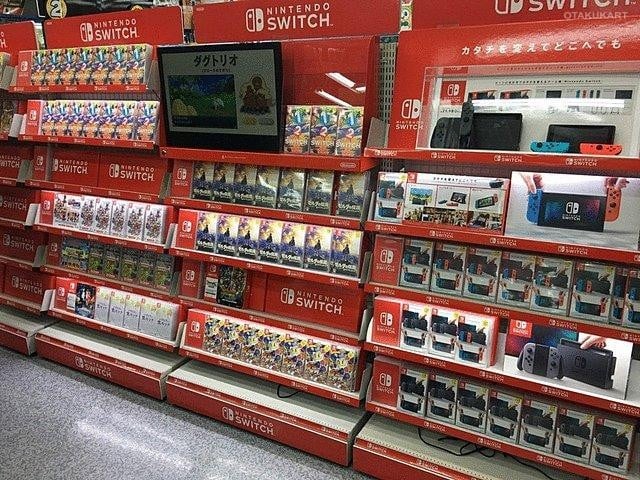
Toto explained. He suggested that more Japanese players could have shifted toward smartphones and PC gaming instead.
Toto also estimated that Nintendo currently holds around 70% of Japan’s gaming content market, illustrating how significant the company’s position has become.
Switch’s Hybrid Design Helped Nintendo Dominate Japan
The Switch’s combination of home-console and handheld functionality gave Nintendo a particularly strong position in Japan, where portable gaming has historically been an important part of the market. The system allowed players to continue console-quality gaming outside the home while also functioning as a traditional television-based console.
Nintendo is now attempting to build on that momentum with Switch 2, which launched in 2025 and continues the company’s hybrid hardware strategy. The company has reported strong demand for the successor, suggesting that Nintendo’s position in Japan is unlikely to change dramatically in the immediate future.
Toto’s comments nevertheless highlight how different Japan’s console terrain could have looked if Nintendo had failed to follow the Wii U with a successful hybrid system. Rather than merely becoming Nintendo’s biggest hardware success, the Switch may have helped keep dedicated consoles central to Japanese gaming.