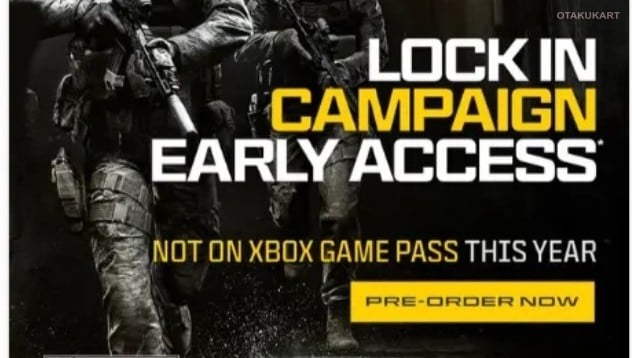
Microsoft’s latest advertising campaign for Call of Duty: Modern Warfare 4 has drawn widespread attention after prominently stating that the game is “NOT ON XBOX GAME PASS THIS YEAR.” The disclaimer appears across promotional ads on social media platforms and reflects Xbox’s recently announced strategy to delay first-year Game Pass availability for future Call of Duty titles.
The ads, which began appearing on Facebook, Instagram, and Threads in late June, quickly became a topic of discussion among players. Rather than focusing solely on gameplay features or new content, the campaign places significant emphasis on clarifying that the latest Call of Duty entry must be purchased separately.
New marketing reflects Xbox’s updated Game Pass strategy
The messaging follows Microsoft’s announcement earlier this year that new Call of Duty games would no longer join Xbox Game Pass on launch day.
The policy change came after reports suggested that releasing Call of Duty: Black Ops 6 on Game Pass at launch negatively affected traditional game sales. According to previous industry reporting, the subscription release may have contributed to an estimated $300 million in lost premium sales, encouraging Microsoft to rethink its approach for future entries in the franchise.
As a result, Modern Warfare 4 will follow a different release model, with players purchasing the game outright instead of accessing it immediately through the subscription service.
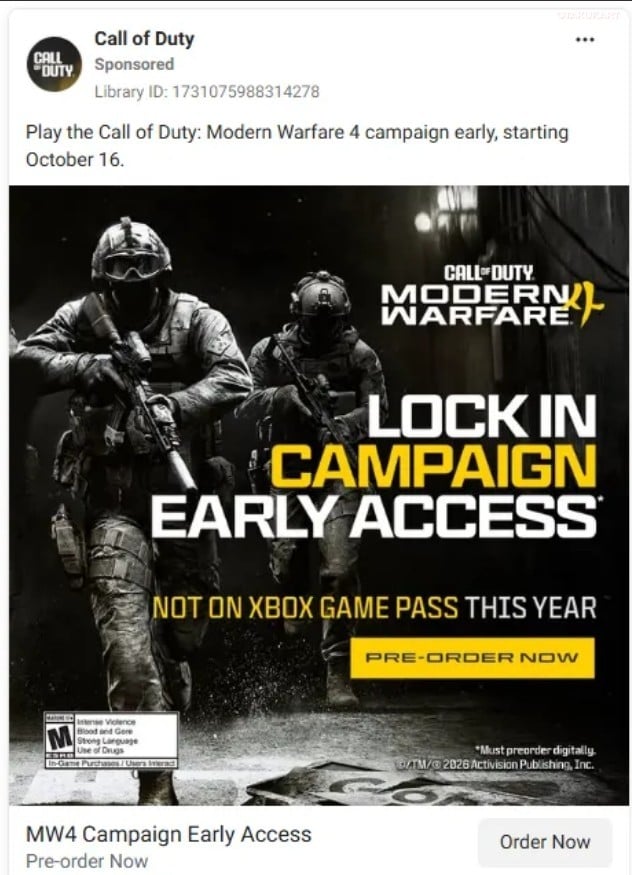
Although Microsoft’s decision aligns with its updated business strategy, many players were surprised that the disclaimer became one of the campaign’s most visible messages.
Instead of emphasizing new multiplayer features, campaign details, or gameplay improvements, the advertisements prominently communicate that the game will not be included with Game Pass during its first year. The unusual marketing approach has fueled conversations across gaming communities, with some fans questioning whether such messaging overshadows the game’s promotional campaign.
Others view the disclaimer as a practical way to avoid confusion following years in which Microsoft heavily marketed Game Pass as the primary destination for first-party releases.
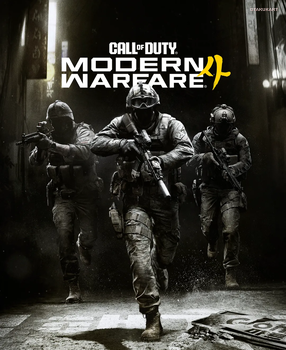
| Release Date | October 23, 2026 |
|---|---|
| Platforms | PlayStation 5; Xbox Series X/S; PC; Nintendo Switch 2 |
| Developer | Infinity Ward; Beenox; Digital Legends; Raven Software; Treyarch; Sledgehammer Games; High Moon Studios; Activision Shanghai |