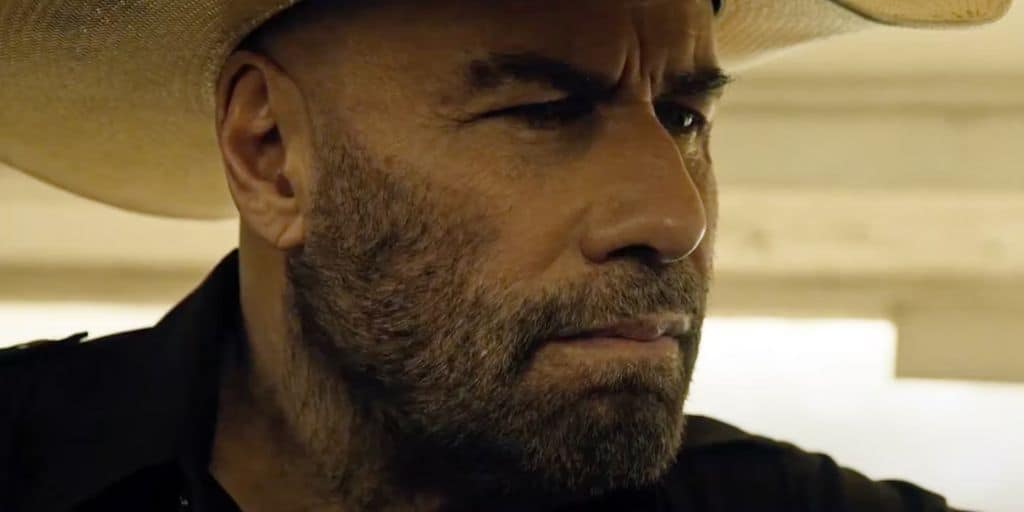
The Smashing Machine, starring Dwayne Johnson, was one of the most talked-about movies leading into its release this week. Industry insiders and fans alike had projected a strong box-office debut, anticipating another hit for Johnson, who is renowned for box-office dominance in action and sports genres.
Yet, the film’s opening weekend marked a significant disappointment, falling far short of expectations with a mere $6 million gross in domestic theaters. This marked one of the lowest debuts in the actor’s career and left the film’s financiers facing substantial potential losses.
The Crashing Wave: When Star Power Isn’t Enough
Despite the star power of Dwayne Johnson and a hefty $50 million production budget backed by renowned distributor A24, The Smashing Machine struggled to find its footing.
Early projections had pegged the opening at around $17 million, driven largely by Johnson’s appeal and a moderate buzz from trailers and early marketing campaigns.
However, as the release date neared, these numbers were continually downgraded to $15 million, then $8 million, and finally settled on around $6 million during the actual opening weekend.
Industry analysts suggest a core issue was the film’s unclear identity and target audience, causing confusion about who the film was really meant for. Unlike Johnson’s typical mass-market appeal action films, this sports drama did not strongly resonate with any clear demographic.
Marketing execution played an important role, too. Unlike the recent cultural phenomenon of films that generate a “must watch now” urgency similar to the viral Barbenheimer trend or recent sleeper horror hits, The Smashing Machine’s promotional efforts failed to inspire a compelling reason to rush to theaters.
Theater owners emphasize the importance of creating an event-like atmosphere around new releases where audiences fear missing out, but the film’s campaign lacked such energy and connection.
As a result, many potential viewers postponed watching or opted for competing films with stronger buzz and clearer value propositions.
Competing Against a Crowded Market and Mixed Reception
Another key factor to the underperformance of The Smashing Machine was its release timing alongside strong competitors and heavy blockbuster holdovers.
In a crowded marketplace filled with well-established franchises and trending new films, small-to-medium budget dramas need aggressive strategies or strong word of mouth to survive the opening weekend challenge. This movie faced such pressure and ultimately got overshadowed.
Word of mouth and reviews began to emerge, mixed to lukewarm. While Johnson’s performance was generally appreciated, the screenplay and pacing received criticism, leaving audiences divided on the story’s final impact.
In today’s social media era, early viewer reactions spread quickly across platforms, heavily influencing casual moviegoers’ decisions. Negative or indifferent commentary can dramatically reduce the momentum movies need to sustain box office earnings.

Films that build steady positive reception in their first days often manage to hold or increase daily ticket sales. Without this, many movies within the first weekend see rapid drop-offs in attendance after day one.
Industry experts now stress maintaining post-release audience engagement through interactive efforts such as contests and social media challenges, but The Smashing Machine did not capitalize effectively on these strategies in its crucial opening phase.
Lessons in the New Age of Box Office Success
The Smashing Machine’s opening weekend disappointment sheds light on challenges and shifting dynamics in today’s box office environment. A big-name actor and substantial marketing spend are no longer guarantees of a hit, especially when core audience understanding, messaging, and cultural urgency are weak or absent.
The film’s case also highlights the increasing stakes of opening weekends, where a film’s long-term viability often hinges on successful initial engagement driven by both marketing and word of mouth.
Additionally, the fragmentation of viewing options due to streaming and premium video on demand (PVOD) increasingly disrupts traditional box office returns.
Films now contend not only with competing theatrical releases but also with audiences’ preference for at-home viewing options, demanding more inventive marketing tactics to get viewers into cinemas early.
Future films aiming for success in this environment might focus more heavily on crafting strong, identity-clear campaigns that ignite “must-see” conversations, engaging fans before and after release.
Leveraging social media influencers and fan communities to build excitement and channel momentum through early positive opinions is becoming essential.
The fate of The Smashing Machine is a reminder that the movie business remains a blend of art, commerce, and cultural timing where no single pocket of star power or budget can guarantee fireworks without a resonant connection to audiences and an urgent call to act.
Sources that informed this analysis include box office reports on April 2025 film releases, insights on opening weekend dynamics by industry experts, and marketing strategy case studies related to recent box office successes and failures, such as Variety’s report on The Smashing Machine’s debut, box office analytics by Ormax Media, and social media impact research on movie attendance patterns.
Also Read: One-Punch Man Episode 1’s Minimal Action Sparks Debate Over Direction and Priorities