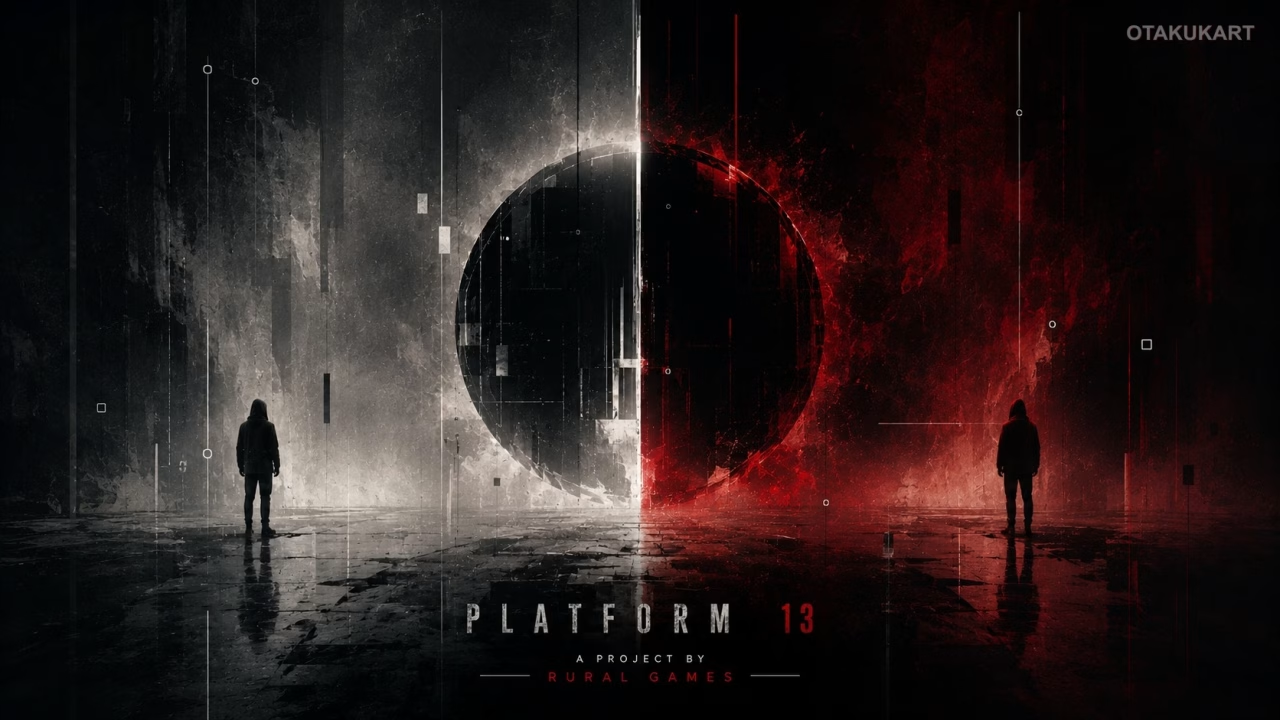
Indian indie studio Rural Games is putting its own spin on psychological horror with Platform 13, an upcoming first-person game centered on a missing-person mystery inside an unsettling railway environment. Developed by the Meerut-based studio, the game combines exploration, environmental storytelling, puzzle solving and survival tension while gradually blurring the boundaries between reality, dreams and memory.
Founded by Sunny Rajput in 2025, Rural Games has positioned Platform 13 as its flagship project after restructuring its development team around a smaller and more focused production model. The studio is drawing inspiration from games such as Silent Hill, Visage, Outlast and Resident Evil 7, while aiming to establish its own identity through a distinctly Indian setting.
Rather than relying on constant jump scares, Rural Games wants the atmosphere itself to create unease. In an exclusive written interview provided to Otakukart, the studio explained how Platform 13 approaches horror, why an Indian railway environment became central to the game, and how its development pipeline is bringing the project together.
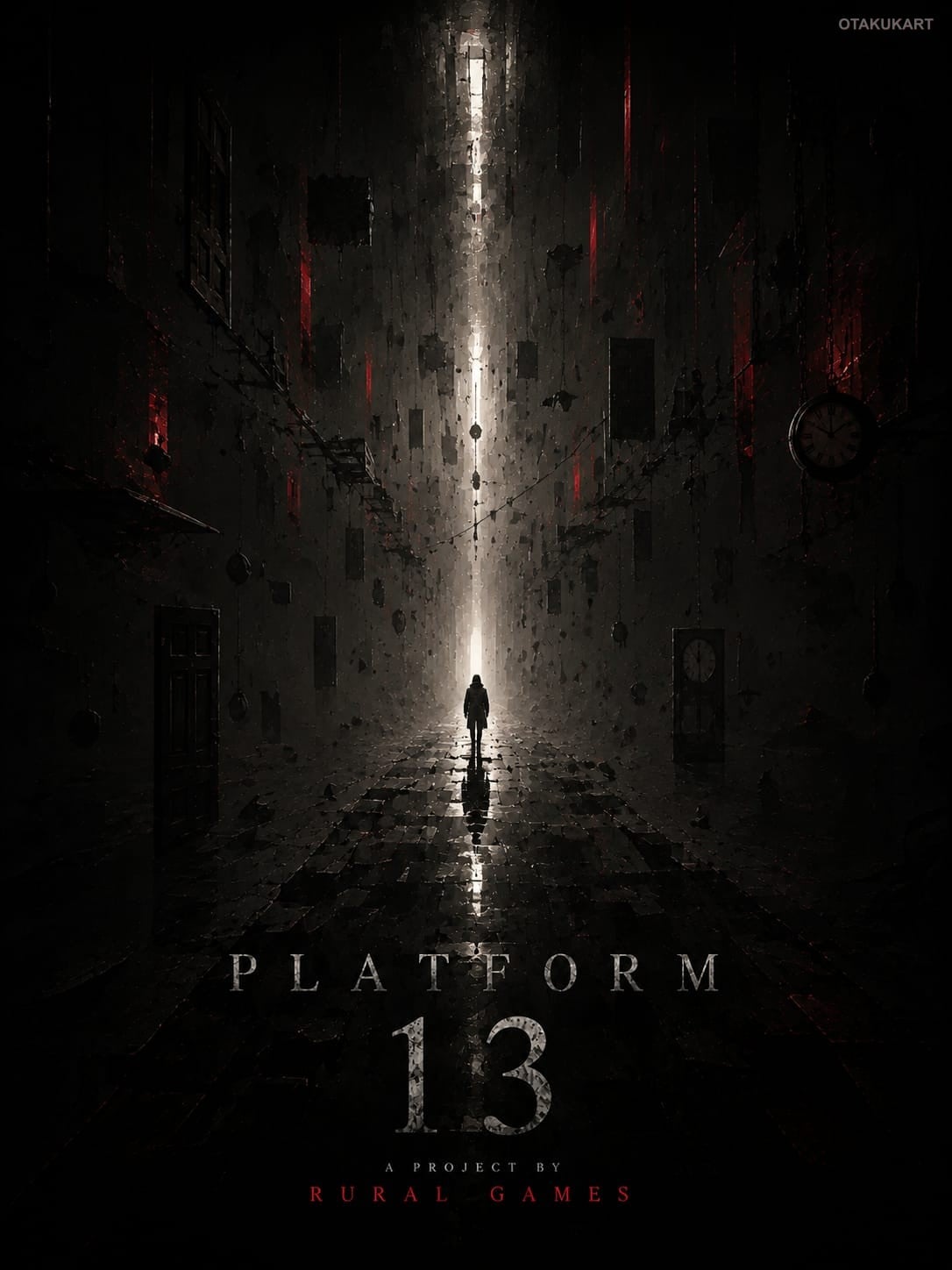
OtakuKart: For readers hearing about it for the first time, what is Platform 13?
Rural Games: Platform 13 is a first-person psychological horror that blends mystery, exploration, environmental storytelling, immersive puzzle solving and survival horror. It follows an ordinary man searching for his missing brother, gradually unfolding into a larger story where reality, dreams and memory begin to blur.
Players explore detailed environments, solve puzzles, examine objects and connect clues rather than simply being told the story through cutscenes. Ultimately, we want it to be a mystery about loss, memory and the fear of the unknown that stays with players after they finish.
OtakuKart: Where does the title come from, and how early did the concept take shape?
Rural Games: The title Platform 13 comes from the railway setting at the heart of the game. The platform represents departure, arrival and uncertainty, while the number 13 adds a subtle sense of unease and mystery.
The concept began with the idea of combining a missing-person mystery with psychological horror. We explored other projects, including Zero Drag, but Platform 13 became the project where our creative direction came together most strongly, making it our flagship and primary focus.
OtakuKart: What kind of horror are you going for, and what are your influences?
Rural Games: We see Platform 13 primarily as a psychological horror thriller with atmospheric and supernatural layers, alongside subtle sci-fi elements. We aren’t relying on constant jump scares or relentless chases; we want fear to grow slowly through environments, silence, uncertainty and unnatural events.
Our inspirations include Silent Hill, Visage, Outlast and Resident Evil 7, while we aim to develop our own identity and a horror experience that lingers in players’ thoughts and theories.
OtakuKart: Does Platform 13 draw on anything specifically Indian?
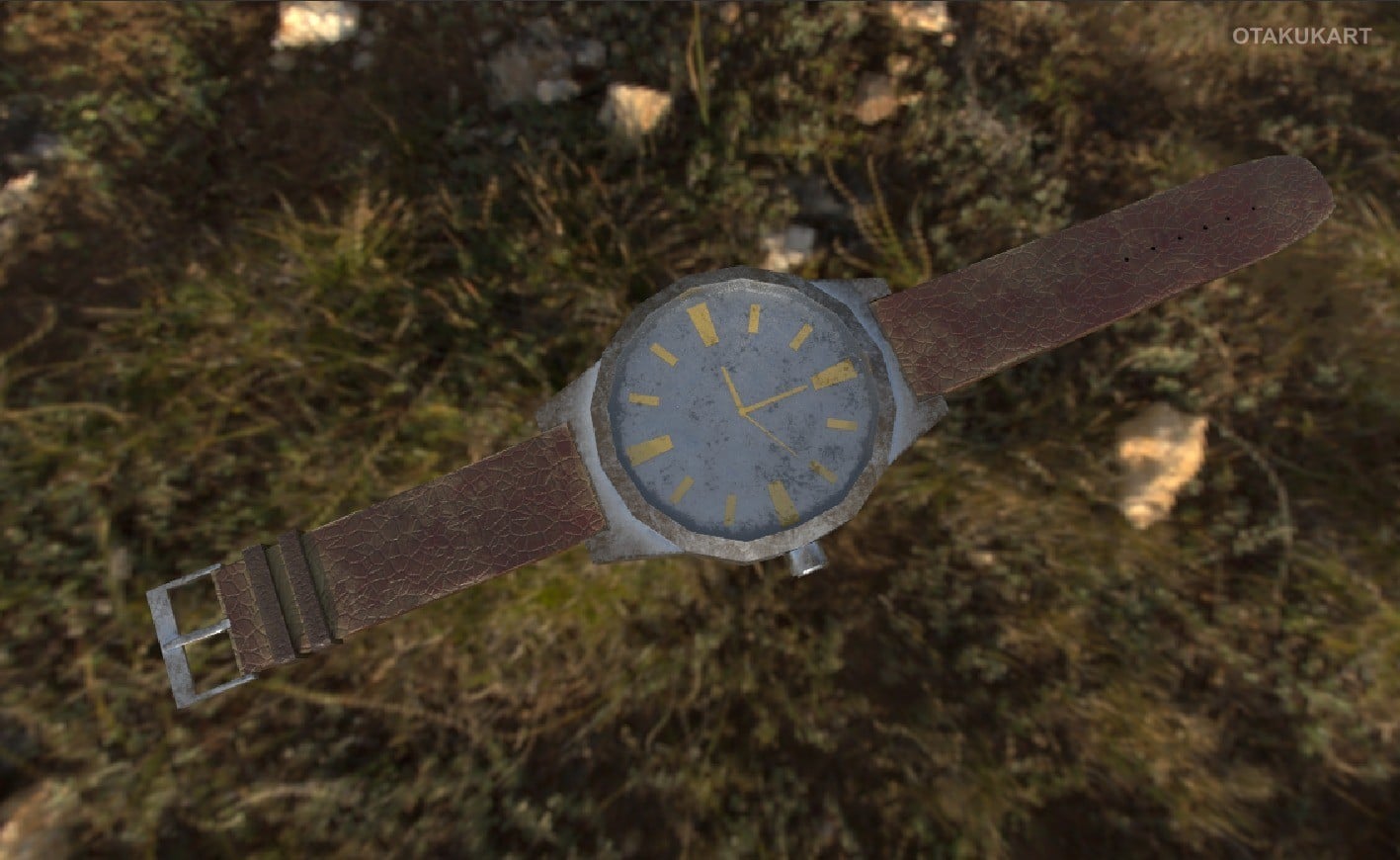
Rural Games: Platform 13 is deeply rooted in an Indian setting. The game uses an Indian railway environment, with elements such as abandoned junctions, railway tracks, old guest houses, caretaker rooms, platforms, bridges, Hindi signage and familiar architecture.
We take something ordinary and familiar and gradually make it feel wrong, so the railway setting becomes an important part of the game’s identity rather than simply being a backdrop.
OtakuKart: What does the player actually do?
Rural Games: The core gameplay is built around exploration, environmental puzzles, investigation and psychological tension rather than constant combat. Players search abandoned locations, examine objects, find clues and work out how different parts of the environment connect.
In Chapter 1, for example, Arjun explores an abandoned cabin, discovers notes and clues, and solves interconnected puzzles to assemble a chain cutter and reach a locked gate. As the game progresses, evasion and survival tension become more important, with the player deliberately kept vulnerable and uncertain.
OtakuKart: Which engine is Platform 13 built in, and what has that choice meant for the pipeline?
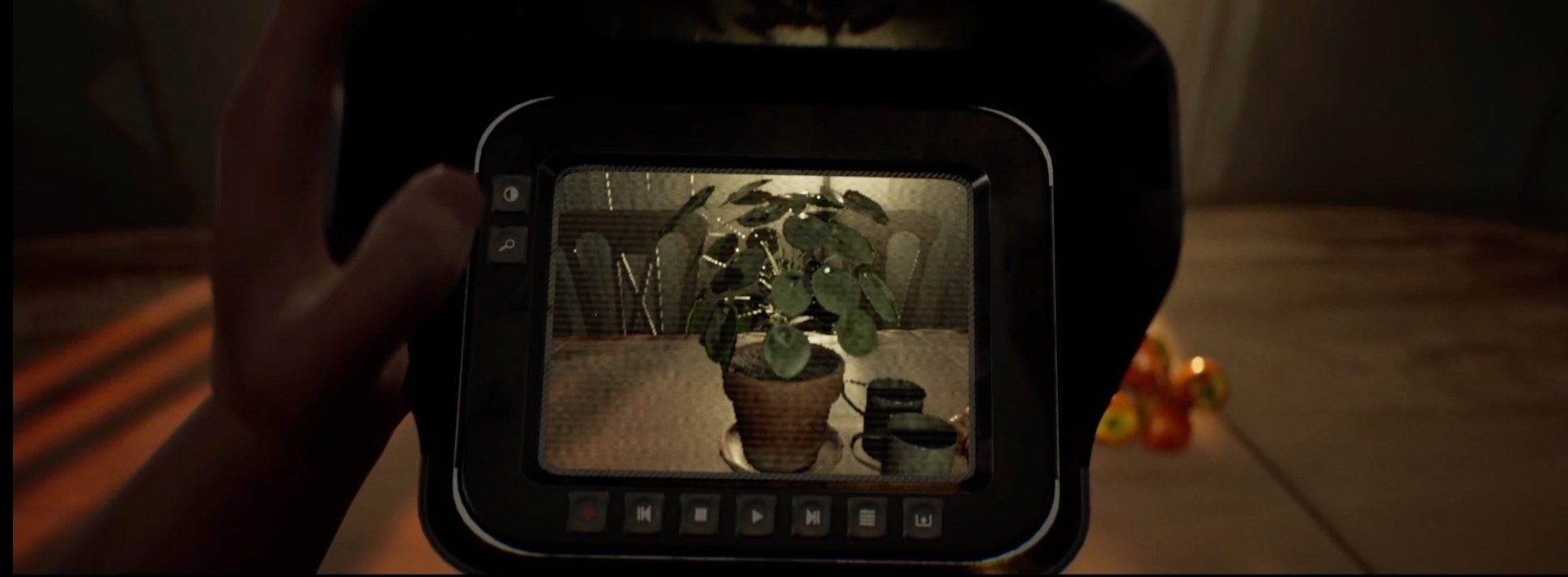
Rural Games: Platform 13 is being developed entirely in Unity. Characters and high-detail sculpts are created in ZBrush, animations are produced in Blender, and texturing is handled through Adobe Substance 3D Painter.
Assets are then integrated into Unity for level design, gameplay programming, lighting, visual effects, audio integration and performance optimization. According to the studio, this streamlined pipeline allows the team to iterate quickly on atmosphere, environmental storytelling and the overall player experience.
OtakuKart: What has been the hardest problem to solve so far?
Rural Games: One of the toughest challenges has been making major environmental changes feel seamless and believable without breaking immersion. These moments can affect the environment, props, lighting, player movement and story at the same time.
The team has experimented with different approaches to make these transitions feel natural instead of resembling conventional scene changes, pushing the developers to consider storytelling and technical implementation together.
OtakuKart: What does the road ahead look like for Platform 13?
Rural Games: Platform 13 is currently in the early stages of development, with the team focused on building the core experience and developing a demo that we plan to release on Steam when it’s ready. There is no confirmed demo release date yet because we want to refine it properly rather than rush it.
Zero Drag remains active within Rural Games but is temporarily paused while most of the studio’s attention and resources go toward Platform 13. The team plans to return to Zero Drag in the future.
For Rural Games, Platform 13 represents more than its first major horror project. It is an opportunity to use a familiar part of Indian life, the railway system, as the foundation for a mystery-driven experience designed to reach players beyond India while retaining the cultural identity that defines the studio.