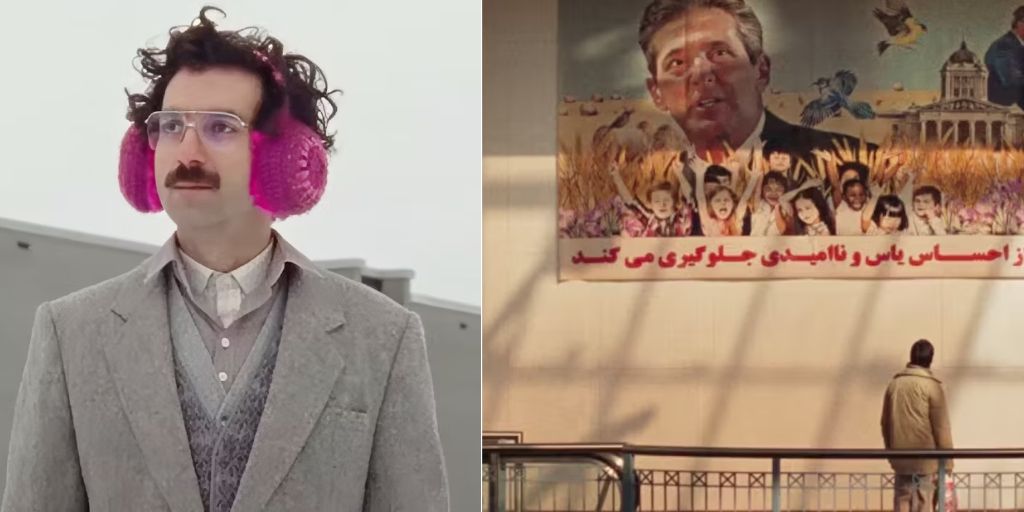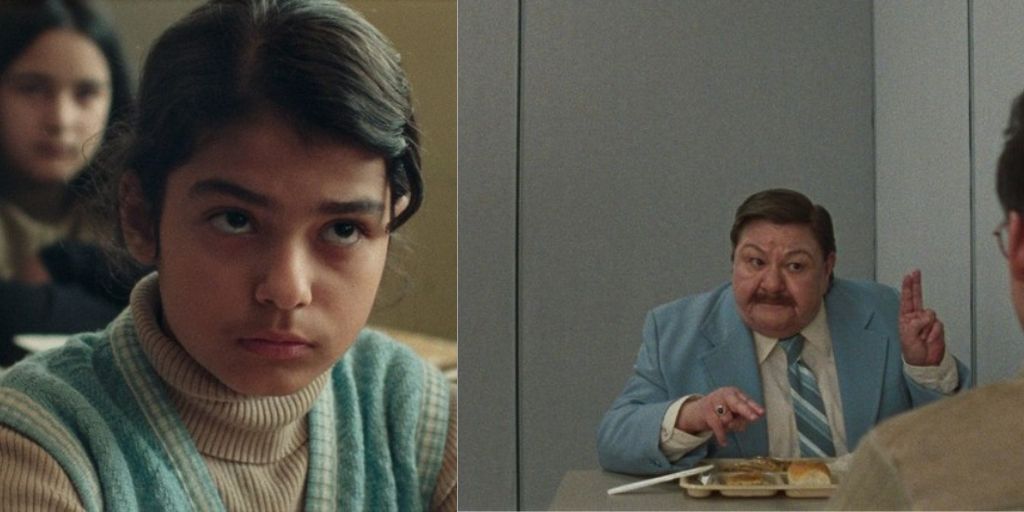
Matthew Rankin’s Universal Language is a remarkable film that showcases creative visual storytelling. One memorable scene features Matthew, played by Rankin, planning to leave his job in Québec and return to Winnipeg.
He talks with a slow but fast-talking government worker, whose thick French-Canadian accent makes it sound almost like a tasty sauce. The camera moves around, but our view of the scene stays the same. This change of perspective is strange and funny, making the audience think about how we see things.
The film makes viewers think about perspective and expectations while enjoying everyday life. Its English title, Universal Language, reflects this idea, as it also looks at how language can unite or divide people in Canada.
The film has gained attention, winning a major award at Cannes and becoming Canada’s official entry for Best International Feature Film at the Oscars.
Universal Language tells a story with interconnected tales inspired by various film styles, including Iranian cinema and the works of director Wes Anderson. Rankin plays a version of himself alongside a talented cast, including Rojina Esmaeili and Danielle Fichaud.
The city in the film is divided into areas with dull colors, and wild turkeys roam around, causing chaos and delight among residents. This fictional Winnipeg feels both real and imaginary, similar to the Terry Gilliam’s Brazil.
In this version, the common language is Persian, and students attend French classes. The film includes humorous moments, such as a mischievous child in a classroom and a tissue seller who collects tears.
Rankin is becoming a leading independent filmmaker in Winnipeg, following in the footsteps of Guy Maddin. His film contains personal touches, such as tombstones that honor his father, Laird Forbes Rankin. The storyline shows his feelings about returning home and the challenges of sorting different cultures.
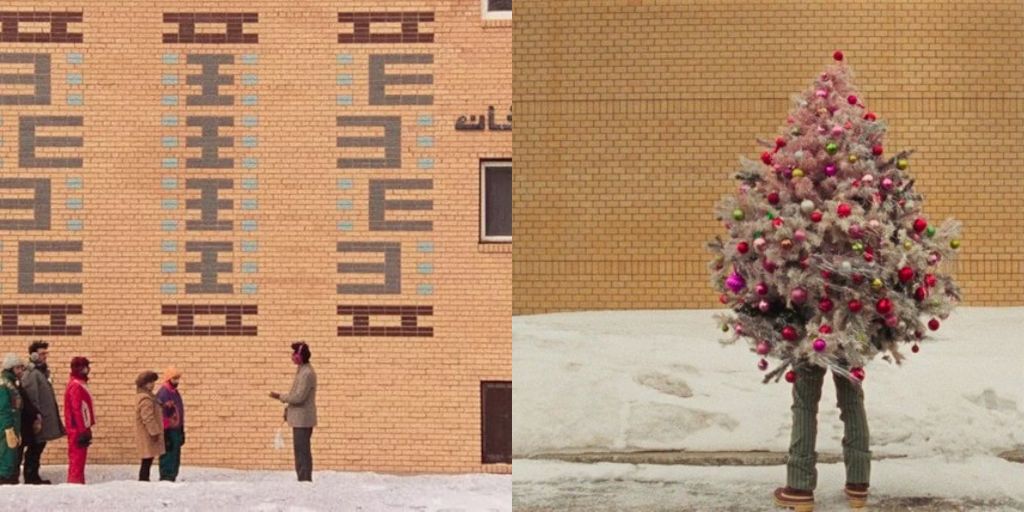
Everything in this Winnipeg seems slightly unusual, from a child’s height marked on a door frame to the delicate act of dunking sugar in tea. While some scenes highlight narrow-minded attitudes, others show a group of diverse women knitting together, symbolizing unity. The humor throughout the film reveals the beauty of ordinary moments.
The cinematography by Isabelle Stachtchenko skillfully captures the unique angles and chilly atmosphere of Winnipeg. Ordinary moments are framed in ways that feel grand. The production design by Louisa Schabas also enhances the film’s detailed world, encouraging viewers to watch it multiple times.
Rankin co-wrote the script with Ila Firouzabadi and Pirouz Nemati, balancing chaos and coherence effectively. Even when the film takes unexpected turns, each moment contributes meaningfully to the story. Produced by Sylvain Corbeil, the film reflects the mix of cultures in Canada, combining Quebecois and Persian influences in an interesting way.
The film plays with words and language. In Iran, the currency is called the rial, while in Manitoba, it is named after Louis Riel, a key figure in Canadian history.
The film opens with a playful claim about being from “the Winnipeg Institute for the Intellectual Development of Young People,” though it does not preach. The Persian title, آواز بوقلمون, translates to “Song of the Turkey,” suggesting the connection between the lives of the characters despite societal pressures.
In Rankin’s version of Winnipeg, hand-painted posters of politicians show the town’s timelessness. The film questions the balance between community pride and nationalism, offering lessons for the future while acknowledging life’s uncertainties. Each time we change our viewpoint, the essence of life remains unchanged.