
TXT members Yeonjun, Taehyun, and Huening Kai have sparked discussion among fans after making remarks during a recent Weverse livestream that some viewers believe may indirectly refer to the controversy surrounding their fellow member Soobin.
Although the trio did not mention Soobin or the allegations directly, their comments about trusting what people see and read online have prompted speculation across social media.
The conversation took place on October 25, 2026, as the three members interacted with fans.
What initially appeared to be a casual discussion about their upcoming unit song quickly caught the attention of MOA, TXT’s official fandom, because of the timing of the remarks.
Fans have since debated whether the comments were simply related to the topic being discussed or whether the members were also encouraging listeners to approach circulating online claims with caution.
TXT Members’ Comments Spark Speculation Among Fans
During the livestream, Huening Kai told fans,
“MOA, you shouldn’t put too much trust in just what’s right in front of you.”
Yeonjun and Taehyun responded in agreement, with the members adding,
“Of course, that’s not all there is to it.”
Taehyun also cautioned fans against believing everything circulating on the internet.
The exchange was initially connected to discussion about rumors surrounding TXT’s upcoming unit song.
However, some viewers interpreted the comments more broadly, particularly given the online speculation involving Soobin in recent days.
Several fans took to social media to share clips of the livestream and discuss the possibility that the members were indirectly reminding MOA not to accept unverified information as fact.
Some pointed to the pause before Huening Kai’s remark, while others praised the members for encouraging a more cautious approach to online rumors.
Nevertheless, the members did not explicitly identify Soobin or refer to the controversy during the broadcast.
Their comments have not been confirmed as a response to the allegations, so the connection remains an interpretation made by fans rather than an official statement from the group.
The discussion also highlights the challenges celebrities face when rumors spread rapidly across social media, where posts and images can circulate widely before their authenticity is established.
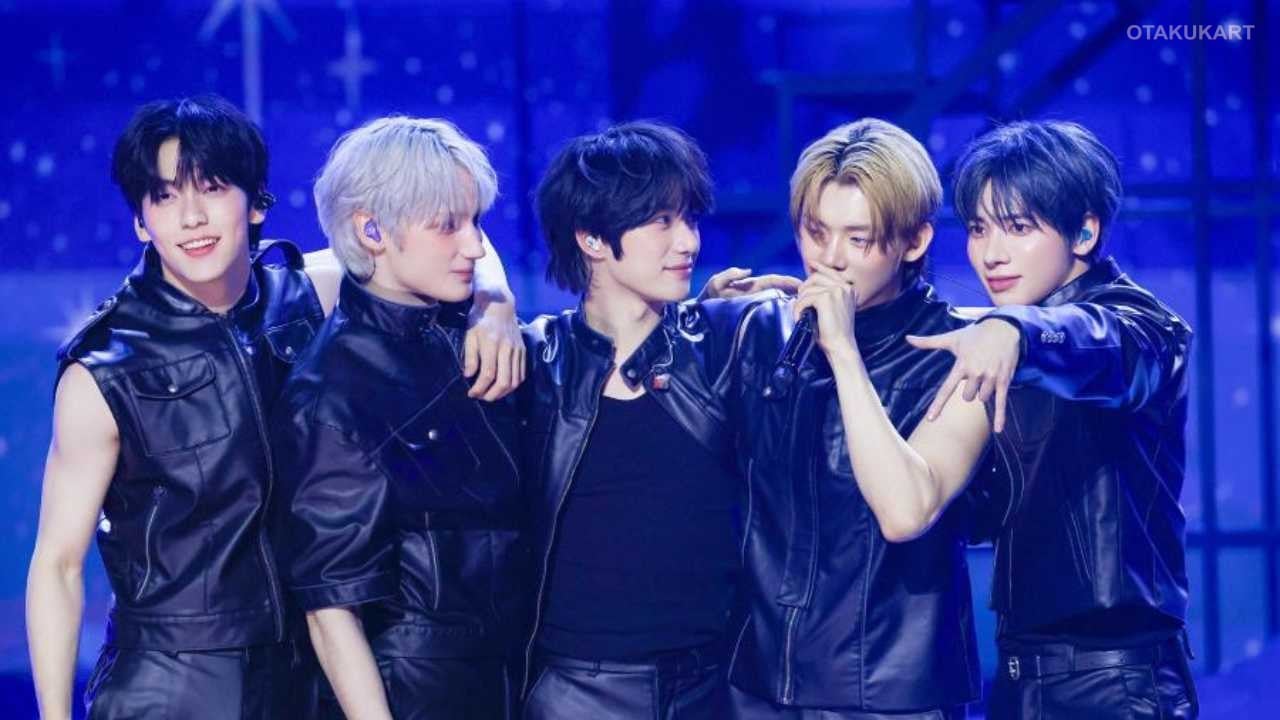
Soobin Controversy and BIGHIT MUSIC’s Official Response
The speculation surrounding the livestream comes after claims about Soobin’s private life began circulating on Chinese social media.
The posts included allegations about the singer’s supposed use of a dating application, alongside images purportedly depicting him with another man.
Fans questioned the authenticity of the material and alleged that the images may have been manipulated or generated using artificial intelligence.
The material’s origins and authenticity have not been independently established, and the allegations should not be treated as verified facts.
The controversy intensified as additional claims circulated online.
Some fans expressed concern about the potential impact of unverified allegations and urged others to avoid reposting the material or drawing conclusions about Soobin’s private life.
On October 22, BIGHIT MUSIC issued a statement addressing the spread of rumors and malicious content targeting its artist.
The agency described the circulating claims as “false information and malicious rumors” and announced that it would pursue firm legal action against those responsible, with “no settlement or leniency.”
The company also said it was collecting evidence from domestic and international platforms and encouraged fans to report malicious posts through HYBE’s official artist-rights reporting system.
Against this backdrop, the livestream remarks from Yeonjun, Taehyun, and Huening Kai have taken on additional significance for some fans.
However, until the members clarify their intended meaning, it remains uncertain whether their words were connected to Soobin’s situation.
For now, the exchange has renewed conversations about responsible social media use, the importance of verifying claims, and the need to protect artists from potentially damaging misinformation.