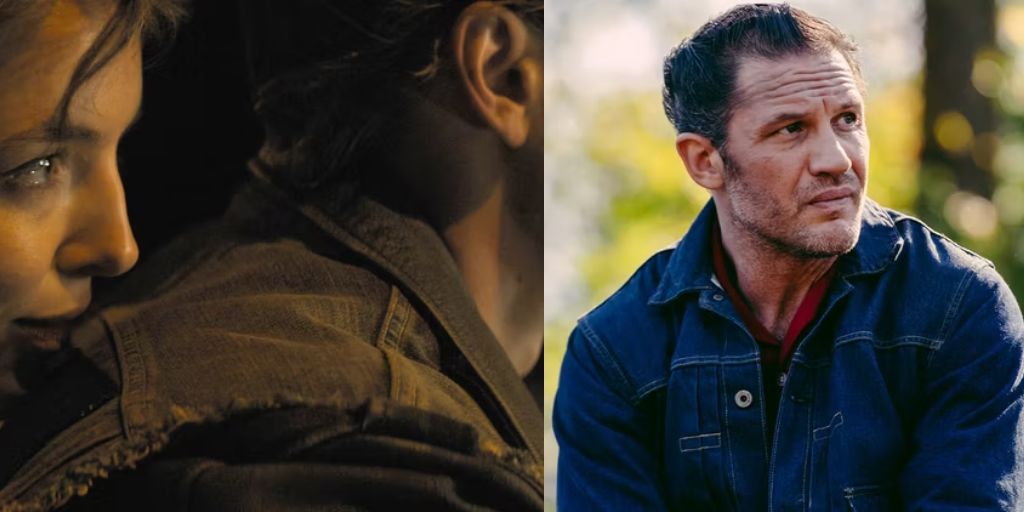
Tinker Tailor Soldier Spy is a masterclass in slow-burning espionage, focusing on the return of George Smiley from forced retirement to investigate a Soviet mole entrenched in the British Secret Intelligence Service, known colloquially as the Circus.
After the death of his mentor Control during a failed operation in Budapest, Smiley is summoned to expose the traitor threatening national security.
The film’s climax centers on Smiley’s relentless pursuit of truth, compiling a trail of subtle clues across a labyrinth of secrets and lies.
He interrogates key Circus figures, including Toby Esterhase, and carefully reconstructs the missteps of Operation Witchcraft, the discredited intelligence network falsely believed to yield secrets from Moscow.
Central to his investigation is Ricky Tarr, whose risky intelligence gathering finally exposes that “Polyakov,” once assumed a valuable Soviet asset, is actually a courier funneling British secrets to Moscow.
This role reversal points directly to Bill Haydon, a senior officer and trusted ally, as the long-hidden double agent working for Karla, the Soviet spymaster.
Also Read: RIIZE Announces Comeback with Single Album “Fame” – Set for November 24 Release
The unraveling of Haydon’s deception is intensified by the revelation that he actively sabotaged Smiley’s personal life, particularly his marriage, under Karla’s influence. This intimate betrayal adds a devastating human layer to the story, emphasizing how espionage pervades not only political but also deeply personal spheres.
Personal Ruin and Institutional Fallout: Haydon’s Legacy
Exposure of Haydon as the mole delivers a devastating blow to the Circus and the people within it. Jim Prideaux, a field agent betrayed during the Budapest mission, suffers permanent physical injury and emotional devastation.
Their complex and tender history culminates in a wordless yet charged scene where Prideaux confronts and executes Haydon. This act symbolizes not only personal vengeance but also the profound rupture caused by betrayal in a world where loyalty is paramount.
Reinstated as head of the Circus, Smiley faces a war-torn environment of broken trust and compromised relationships. His own marriage lies in ruins, a casualty of Haydon’s manipulative machinations, and devoted allies like Connie Sachs find themselves isolated or dismissed for their insight into the mole’s activities.

The circumspect and somber tone of the final scenes stresses that although espionage may triumph on a public front, its victories are often pyrrhic, exacting steep personal costs.
The film’s denouement reveals the loneliness and sacrifice of intelligence officers, with personal lives eroded by secrecy, suspicion, and the constant threat of deception.
Echoes of Reality: Cold War History’s Shadow
The story draws heavily from the real-life espionage scandals of the Cold War, particularly the Cambridge Five spy ring. Among these infamous double agents, Kim Philby stands out for betraying Britain while occupying a senior intelligence position, his charm and duplicity reflected in the character of Haydon.
This historical underpinning offers a tangible weight to the narrative, portraying the profound institutional damage caused by such internal treachery.
The pervasive atmosphere of mistrust and paranoia that Smiley contends with mirrors documented British intelligence operations during the 1950s and ’60s.
The film captures the fallout from the Cambridge Five’s revelations, which shattered morale and hampered international intelligence cooperation. By encapsulating these real events, Tinker Tailor Soldier Spy offers a window into the intricate and often harrowing reality behind Cold War espionage.
Psychological Toll: The Hidden Wounds of Spying
While the film thrives on unraveling its complex plot, its quieter, more intimate moments spotlight the emotional bankruptcy wrought by decades in the shadowy world of espionage.
Smiley’s personal toll is palpable in scenes depicting his fractured marriage and moments of quiet reflection, revealing a man hardened by duplicity yet burdened by loss.
Similarly, Prideaux’s physical injuries and retreat to a tranquil countryside school contrast sharply with his earlier spy life, symbolizing the long-term psychological effects of betrayal and violence. Connie Sachs’s marginalization further illustrates the cost of loyalty and truth in a service rife with cynicism and suppression.
These elements deepen the film’s narrative, reminding viewers that espionage transcends political intrigue to touch deeply on human themes of trust, isolation, and moral ambiguity.
Cinematic Craft: Subtlety and Restraint in Storytelling
Under Tomas Alfredson’s direction, the film adopts a subdued color palette and languid pacing that mirror the cold, claustrophobic atmosphere of Cold War espionage.
Visual cues such as the muted London setting and close-up shots of pensive characters serve to immerse the audience in a world where the smallest gesture might conceal a threat.
Dialogue is sparse but loaded with meaning, creating tension that’s sustained through silence and withheld expressions. This stylistic choice reflects the novel’s tone and enhances the emotional weight of the ending.
Rather than relying on action-packed climaxes, the film draws viewers into the psychological drama, emphasizing the heavy burden of secret lives and shattered loyalties.
Contemporary Resonance: Spycraft and Secrecy Today
Despite its 1970s setting, Tinker Tailor Soldier Spy resonates powerfully with today’s intelligence challenges. The themes of surveillance, leaks, and trust deficits remain topical in an era of cyber espionage and whistleblowing scandals.
Modern intelligence agencies still wrestle with internal threats and ethical quandaries about transparency, much like the Circus’s struggle against infiltration and betrayal depicted in the film. Smiley’s painstaking restoration of trust offers a poignant metaphor for ongoing efforts to balance national security and individual rights.
The film’s conclusion invites reflection on how the human cost of secrecy continues to shape societies far beyond Cold War borders.
The ending of Tinker Tailor Soldier Spy is a carefully constructed reflection on loyalty, loss, and the murky realities of espionage. George Smiley’s journey to expose a mole exposes not only political intrigue but profound personal sacrifices, leaving viewers to contemplate what it truly means to serve in the shadows.
Also Read: Kang Seung Yoon Returns With Soulful New Single “ME”