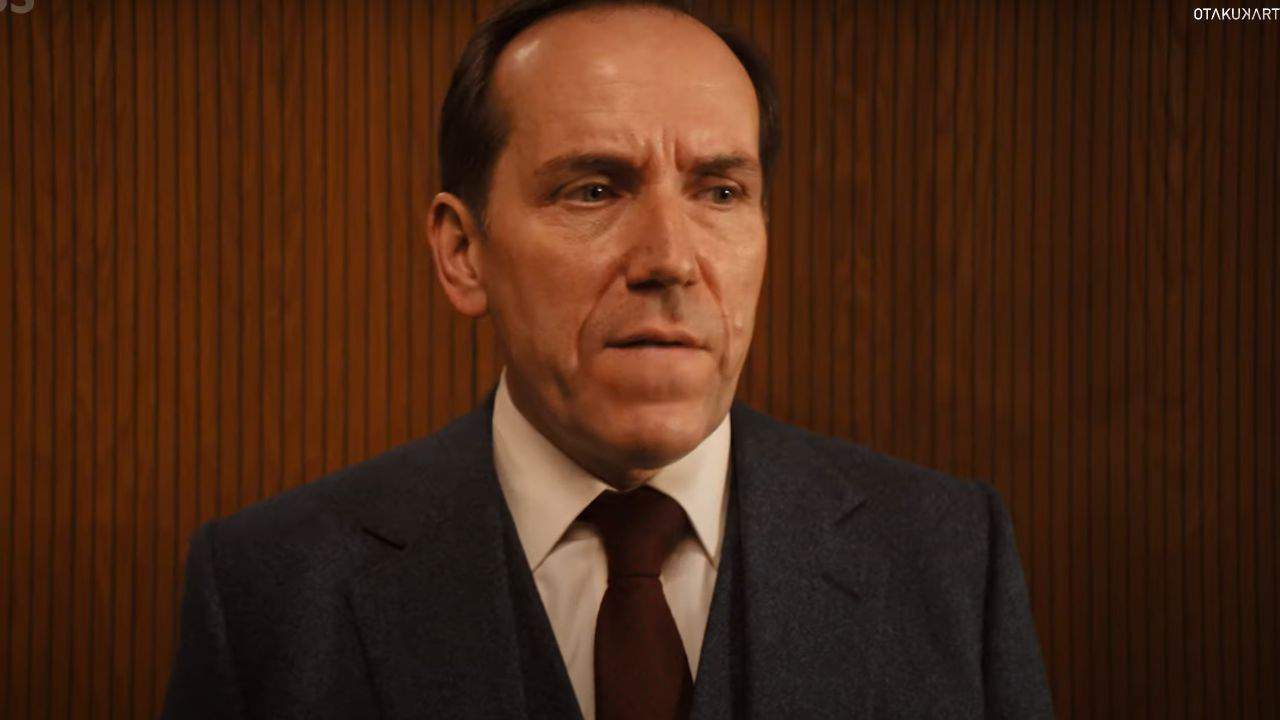
Vince Gilligan’s impact on television storytelling is often framed by his groundbreaking crime dramas Breaking Bad and Better Call Saul.
Yet with Pluribus, his latest sci-fi endeavor, Gilligan expands familiar territory while retaining a compelling center: the resilient, morally complex protagonist struggling against overwhelming odds. Understanding the core traits these characters share reveals why Gilligan’s stories resonate so deeply across genres.
Walter White’s transformation from meek chemistry teacher to feared drug lord in Breaking Bad (2008–2013) remains a defining example of this narrative form. He embodies the common man pushed beyond limits, making impossible choices under pressure, often forced to reconcile his flawed morality with survival instincts.
Walter’s arc highlights Gilligan’s skill in portraying antiheroes with layers of charm, desperation, and conviction, inviting viewers to root for a man’s survival even as he descends morally.
Similarly, Jimmy McGill, better known as Saul Goodman, in Better Call Saul (2015–2022), encapsulates a character battling his inner demons and external constraints.
Also Read: Princess Mononoke Ending Explained: Why the Bittersweet Finale Rewrites Studio Ghibli’s Rules
Jimmy is intelligent but constantly cornered by circumstances and a self-destructive streak, reflecting Gilligan’s fascination with identity, redemption, and survival within a harsh legal world.
Like Walter, Jimmy evokes audience empathy despite his flaws, anchored by Bob Odenkirk’s brilliant performance and Gilligan’s incisive writing.
Pluribus introduces a fresh yet thematically linked hero, Carol Sturka, portrayed by Rhea Seehorn, who also famously played Jimmy’s love interest Kim Wexler in Better Call Saul. Carol navigates a dystopian world where enforced happiness masks hidden dangers.

She is resolute and complex, embodying Gilligan’s trademark blend of human vulnerability and relentless willpower. Like Walter and Jimmy, Carol is a survivor confronting both external threats and internal conflicts, reflecting Gilligan’s ongoing exploration of flawed resilience through different narrative lenses.
From Crime to Sci-Fi: Gilligan’s Signature Storytelling Style
While Breaking Bad and Better Call Saul anchor Gilligan’s legacy in crime drama, Pluribus ventures boldly into science fiction without abandoning essential storytelling traits. Critics praise Pluribus for intertwining Gilligan’s classical character focus with larger speculative fiction themes, creating a tonal blend reminiscent of The X-Files and Breaking Bad’s emotional depth.
Gilligan’s signature pacing of long, tense scenes punctuated by moments of sudden, impactful action is evident across all three shows. Pluribus’ premiere particularly showcases this style, slowly building tension as normalcy fractures under increasing chaos, before releasing viewers into sudden, high-stakes conflict. This method keeps audiences fully engaged in character psychology amid unfolding disasters, a hallmark seen in the best episodes of Breaking Bad and Better Call Saul.
Thematically, Pluribus maintains Gilligan’s preoccupation with consequences and morality. Where Walter and Saul navigate crime’s ethically gray zones, Carol confronts a society obsessed with conformity and forced happiness. This shift in genre expands Gilligan’s ability to comment on human nature and societal pressures, proving that, whether in deserts or dystopias, his characters share a fundamental struggle: maintaining agency in a world intent on control.
The Evolution of Gilligan’s Protagonists: A Reflection of Time and Medium
Pluribus represents a natural progression for Gilligan, who acknowledges the shift from antiheroes embroiled in crime to a protagonist characterized by altruism and determination against oppressive forces.
Though the new show differs in setting and tone, the central element remains consistent: a strong yet imperfect individual confronting external and internal adversities.
Rhea Seehorn’s Carol Sturka channels aspects of both Kim Wexler’s resilience and Saul Goodman’s resourcefulness, illustrating how Gilligan continues evolving his protagonists to fit different narrative demands while retaining thematic continuity.
Both characters operate in flawed worlds where survival depends on wit, adaptability, and sometimes bending moral codes. This continuity allows Gilligan’s fans to trace a creative throughline, even as he experiments with genre.
This evolution is further marked by Gilligan’s deliberate distancing from previous crime narratives while embedding Easter eggs and emotional echoes of his past creations.
Pluribus embraces sci-fi’s speculative possibilities but grounds the story in character-driven drama, ensuring that no matter the setting, Gilligan’s focus remains on deeply human stories of will, choice, and consequence.
Vince Gilligan’s genius lies not only in his storytelling craft but in his ability to write flawed yet compelling characters who embody resilience amid struggle. Whether in Albuquerque’s deserts or dystopian futures, his protagonists share a common thread, a determined, human core that perseveres despite odds.
This thematic coherence across Breaking Bad, Better Call Saul, and Pluribus strengthens Gilligan’s status as a master storyteller whose work transcends genre boundaries and continues to captivate audiences worldwide.
Also Read: Yes Review That Hits Hard with Nadav Lapid’s Audacious Rejection of Israeli Nationalism