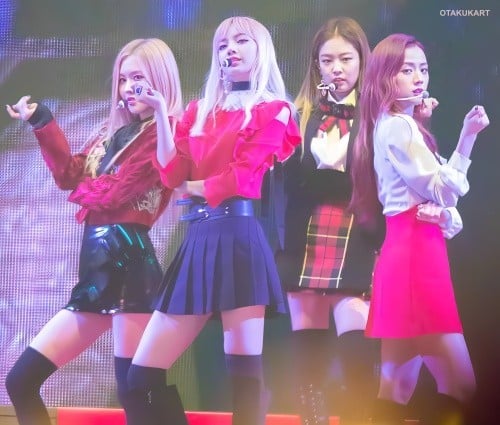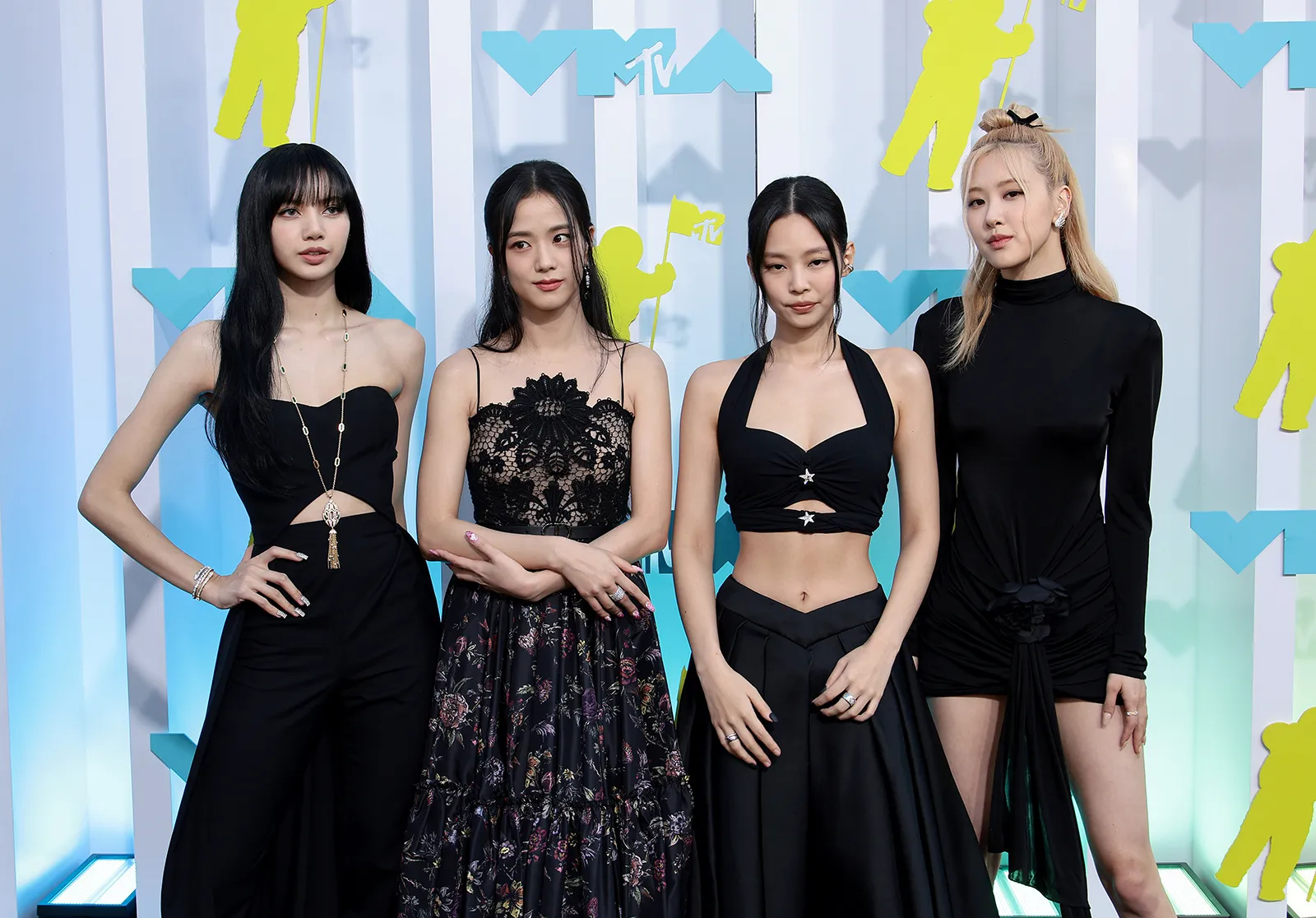

The K-pop world has recently been shaken by a wave of intense controversy as BLACKPINK’s Jisoo became the target of serious, yet highly contested, allegations of racism towards her fellow member, Lisa.
The situation escalated rapidly on social media, sparking a fierce battle between those accusing the idol of insensitive behavior and millions of fans who claim the narrative is a malicious attempt at defamation.
The controversy highlights the volatility of online fandoms and the dangers of stripping context from idol interactions.
The Spark: A Viral Accusation of “Monkey” Nicknames
The controversy began when a post on X (formerly Twitter) went viral, amassing over 67,000 likes and thousands of retweets.
The post featured a clip of Jisoo and accused her of using a racially charged slur under the guise of a nickname. The user wrote:
“Jisoo calling Lisa a monkey just because she is southeast asian… the only member who everyone thought wasn’t racist is also a racist.”
This accusation struck a particularly sensitive nerve given that Lisa, who is Thai, has frequently been the victim of xenophobic and racist attacks since her debut. Because “monkey” has historically been used as a racial slur against Southeast Asian and Black individuals, the tweet quickly ignited a firestorm of “disgust” among casual observers and anti-fans.
The narrative suggested that Jisoo was participating in the same type of discrimination that Lisa has fought throughout her career, leading to immediate calls for accountability and widespread condemnation of the “Flower” singer.
The Counter-Narrative: Context and the Power of Emojis
However, the backlash was met with an equally powerful defense from BLINKs (BLACKPINK fans) and “Sooyas” (Jisoo’s individual fans).
Supporters argued that the viral tweet was a classic example of misinformation, intentionally removing the context of the conversation to paint Jisoo in a negative light.
Fans shared the full footage of the interaction, which revealed a much more innocent explanation for the nickname.

According to fans, Jisoo explained that the nickname was not related to Lisa’s ethnicity or physical appearance, but rather a reference to Lisa’s own online habits. One fan clarified the situation, stating:
“How about we start including context. Friendless losers,” while sharing a clip where Jisoo explains the nickname came from “Lisa using the monkey emoji often.”
The defense focused on the fact that Lisa herself frequently uses various animal emojis in her communication with fans and the members.
By highlighting this, fans aimed to show that the nickname was an “inside joke” based on digital shorthand rather than a comment on race. Another fan pointed out the absurdity of the leap in logic, noting:
“People tend to take things out of context,” and urging others to see the deep bond of “artistic sisterhood” between the two members rather than “inventing hate narratives.”
Calls for Legal Action and Evidence of Allyship
As the debate raged, the focus shifted from defense to a demand for corporate intervention.
Many fans began tagging BLISSOO, Jisoo’s newly established independent label, urging them to take legal action against the accounts spreading the viral tweet.
Supporters labeled the post as “clear defamation” intended to ruin Jisoo’s reputation during a pivotal moment in her solo career. One supporter expressed their outrage by saying:
“This is defamation. Please do something @officialBLISSOO,” while others organized mass-reporting campaigns to have the original tweet removed for spreading “misinfo.”
Furthermore, netizens moved to debunk the “racist” label by sharing numerous instances of Jisoo using her global platform to support Southeast Asian (SEA) artists and culture. One fan noted,
“She was the first to publicly support them last year. how can you call someone ‘racist’ when she uses her platform to uplift SEA artists? even the group thanked her on IG.”
This defense argued that Jisoo’s track record of “respect and artistic sisterhood” far outweighed a misinterpreted nickname.