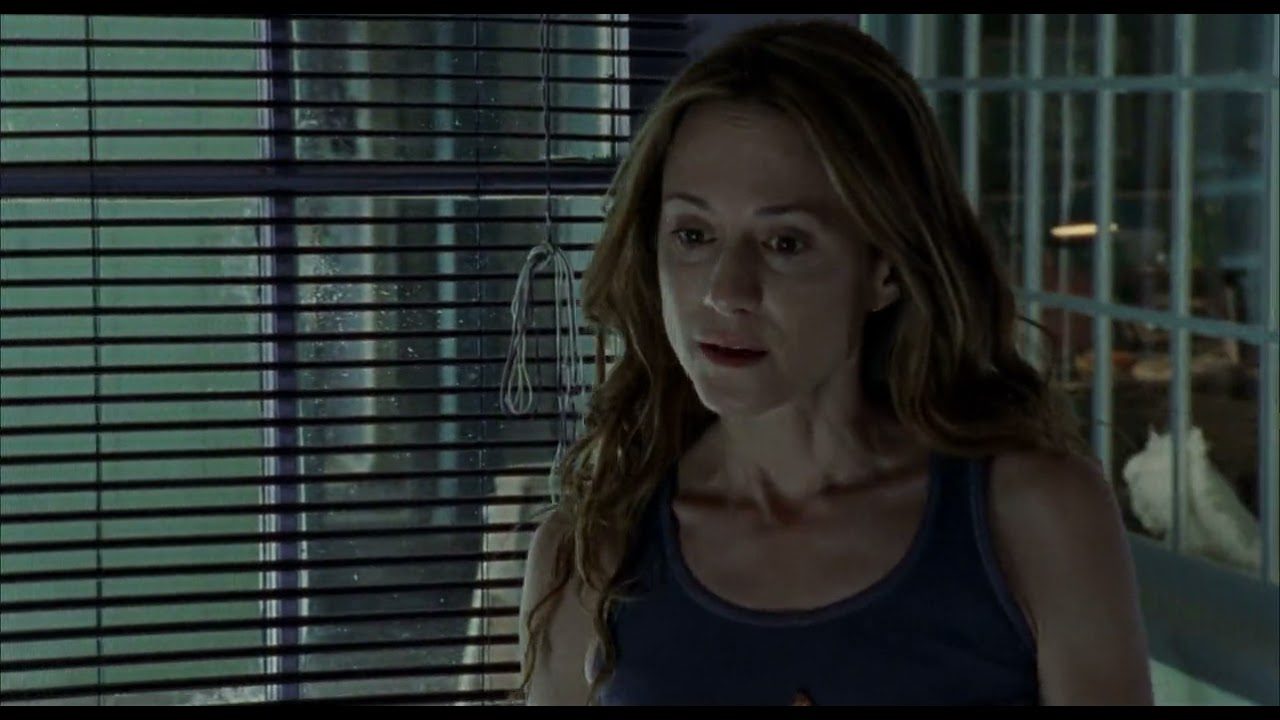
Artificial intelligence has now stepped into the director’s chair. Italian film producer Andrea Iervolino, known for working on Ferrari and To the Bone, has created what he calls the first AI-directed feature film, The Sweet Idleness.
Scheduled for release in February 2026, the movie imagines a world where only one percent of humanity still works while the rest live in blissful leisure dependent on machines.
The project’s AI “director,” named FellinAI, is a programmed system designed to mimic the poetic style of legendary Italian filmmaker Federico Fellini. According to Iervolino, FellinAI was not built to replace traditional filmmakers but to experiment with a new method of storytelling.
During production, Iervolino acted as a “human-in-the-loop,” overseeing creative decisions to ensure that the technology’s artistic choices remained coherent and meaningful.
This unusual production method coincides with a growing conversation about artificial intelligence’s rapid entry into creative industries. Just weeks earlier, Hollywood buzzed over news of Tilly Norwood, an AI-generated actress created with virtual likenesses who might soon sign with a real talent agency.
The appearance of both an AI actor and now an AI director has sparked strong reactions from actors, directors, and unions across the entertainment world.
While Iervolino frames the film as a positive experiment in co-creation, others see it as a troubling sign of what could come next.
Hollywood Divided: Praise, Fear, and Outrage
The announcement of The Sweet Idleness has arrived at a time when Hollywood remains wary of artificial intelligence’s influence. During the 2023–2024 union negotiations, AI was one of the central points of debate between major guilds and the big studios.
Both the Directors’ Guild of America (DGA) and SAG-AFTRA included clauses meant to protect human labor, fearing that production companies might leverage generative AI to cut costs or sidestep creative talent.
When news of the AI-driven film broke, several industry figures expressed renewed anxiety. Many see it as a direct test of those protections.
While no leading director has yet commented publicly on FellinAI, DGA’s National Executive Director Russ Hollander reiterated earlier this year that the union’s members “want to ensure AI complements their work, not replaces it.”
The DGA’s current agreement forbids the use of generative AI to substitute human direction or artistic responsibility, but that contract expires in 2026, the same year FellinAI’s film premieres.
The timing has not gone unnoticed. Christopher Nolan, recently elected as DGA president, will potentially oversee negotiations regarding new AI guidelines when the contract renewal begins.
Nolan, known for his deep respect for traditional film techniques, has long expressed skepticism toward automation in creative fields. Many expect him to lead a strong push against any trend that dilutes human craft.

SAG-AFTRA’s response has been even sharper. The union condemned the recent introduction of Tilly Norwood, the AI actress, as an “immediate threat” to professional performers.
Justine Bateman, who participated in crafting the union’s 2023 AI agreements, criticized the current protective measures, saying studios can still employ synthetic actors by simply notifying SAG-AFTRA rather than seeking explicit member approval.
In this tense environment, The Sweet Idleness serves as a flashpoint. By positioning FellinAI not as a replacement but as a collaborator, Iervolino places himself in the heart of Hollywood’s biggest debate: can authenticity and automation coexist in art?
Andrea Iervolino’s Experiment: Between Innovation and Risk
For Andrea Iervolino, The Sweet Idleness represents a personal gamble. As the founder of the company Actor+, which develops digital performers based on real people’s likenesses, he has already invested heavily in virtual production. Yet this marks the first time his venture fully integrates AI as a creative decision-maker.
According to Iervolino, FellinAI was trained on decades of European cinematic imagery, with emphasis on the surreal and dreamlike atmosphere characteristic of mid-century Italian masters.
He describes the AI as “a tool to revive poetic storytelling” rather than mechanize it. His approach essentially asks AI to act not as a scriptwriter or renderer but as an autonomous artist capable of visualizing emotional tone, pacing, and frame composition.
Despite reassurance that humans still steer the final process, many question what authorship truly means under such conditions.
If a program directs camera movement, selects lighting patterns, and influences narrative rhythm, then how much artistic credit belongs to its human supervisor? For creative unions, this uncertainty threatens core definitions of creative ownership and labor rights.
Iervolino argues that The Sweet Idleness was guided by strict ethical oversight to prevent AI misuse. He explains that every decision went through a human review process and that FellinAI’s functioning was monitored through transparent data logs. The intent, he says, is to “extend creativity, not diminish it.”
Still, skepticism dominates industry circles. Critics worry that even a supervised success could motivate studios to invest further in AI-directed projects, reducing budgets for human-led productions. Others see the film as inevitable, not a threat, but a preview of cinema’s next evolutionary phase.
The Broader Cultural Impact
Beyond studio politics, what makes this moment historic is its cultural symbolism. Cinema, long considered the most human of storytelling forms, now confronts the question of consciousness not within its narratives but behind its lens.
Since its invention, filmmaking has balanced art and technology. From sound to CGI, every leap forward has triggered creative anxiety before becoming indispensable.
Yet artificial intelligence feels different, less like a new tool and more like a new participant. Technology that interprets emotion, composes shots, and defines aesthetic tone blurs the distinction between maker and made.
Many artists argue that human emotion, lived experience, and intuition remain irreplaceable ingredients of storytelling. Others counter that AI could democratize filmmaking, allowing smaller creators to realize ambitious visions without studio resources.
The Sweet Idleness stands right in the middle of that philosophical divide a film both futuristic and reflective, as its narrative about an idle, machine-run society mirrors the creative reality of its own production.
If successful, its release may alter the hierarchy of creative work forever. Viewers will compare not just performances and story, but the essence of authorship itself. Can a machine truly make art that feels alive? Or is it merely reflecting what humanity already taught it to dream?
The Future of Art in the Machine Age
As The Sweet Idleness approaches its 2026 release, anticipation and apprehension continue to grow. The film may mark a turning point similar to when CGI revolutionized visual storytelling, or it might become an ethical case study on how far creative industries are willing to integrate automation.
Whether audiences accept FellinAI as a legitimate director or dismiss it as a marketing gimmick, the implications are lasting. Upcoming negotiations between DGA, SAG-AFTRA, the WGA, and AMPTP will likely reference the film as evidence either of innovation or intrusion.
In an entertainment industry already defined by streaming wars, digital doubles, and virtual production, this experiment pushes the boundaries of authorship to their limits.
Andrea Iervolino’s statement that “FellinAI is not intended to replace traditional cinema” reflects both caution and ambition. It acknowledges that cinema’s identity rests on human imagination while admitting that machines now play an active role in shaping it.
One thing is clear: The Sweet Idleness is not just another movie. It’s a test of whether art directed by algorithms can stir the human heart and whether Hollywood is ready for a future where the director might be software.
Also read: Toni Collette’s Shocking Confession: She Didn’t Realize The Sixth Sense Was a Horror Film