My Hero Academia touches on various societal issues, one being the treatment of people whose Quirks dramatically alter their physical appearance. This topic is explored mainly through the character Spinner in the final War arc.
However, many fans felt this commentary was too little, too late in the storyline, even if it did highlight how many heroes and villains have unconventional looks from their powers.
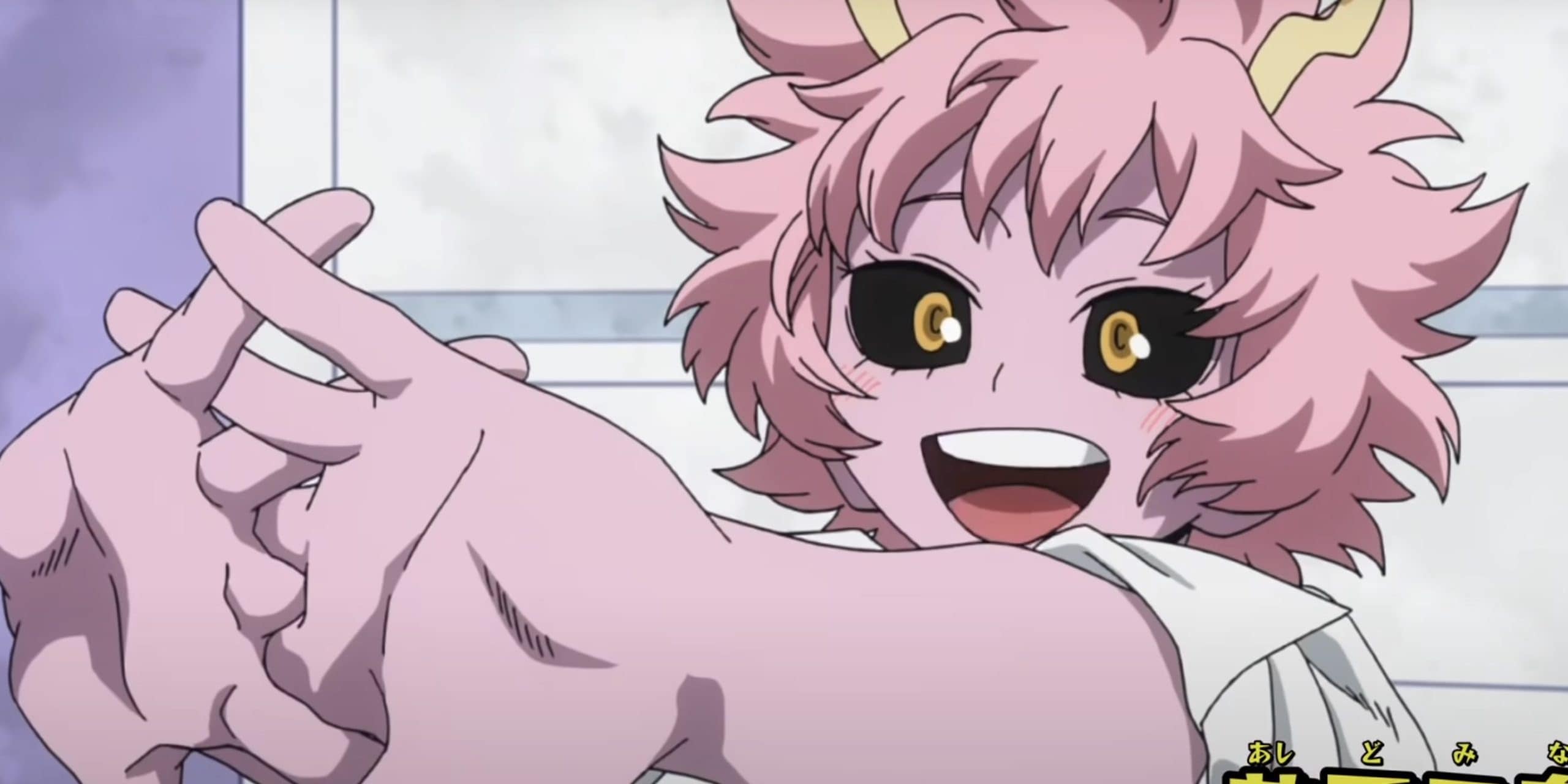
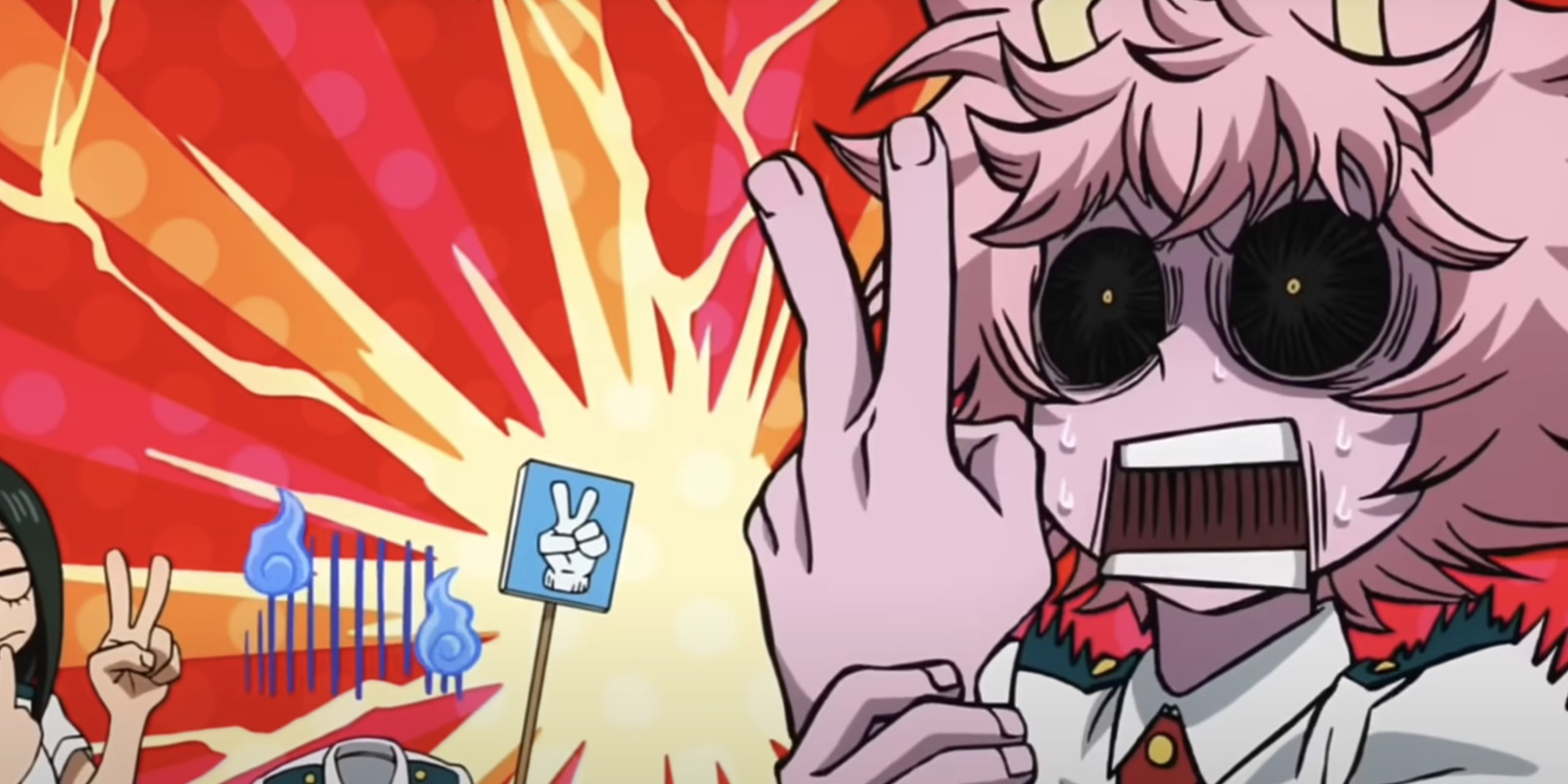
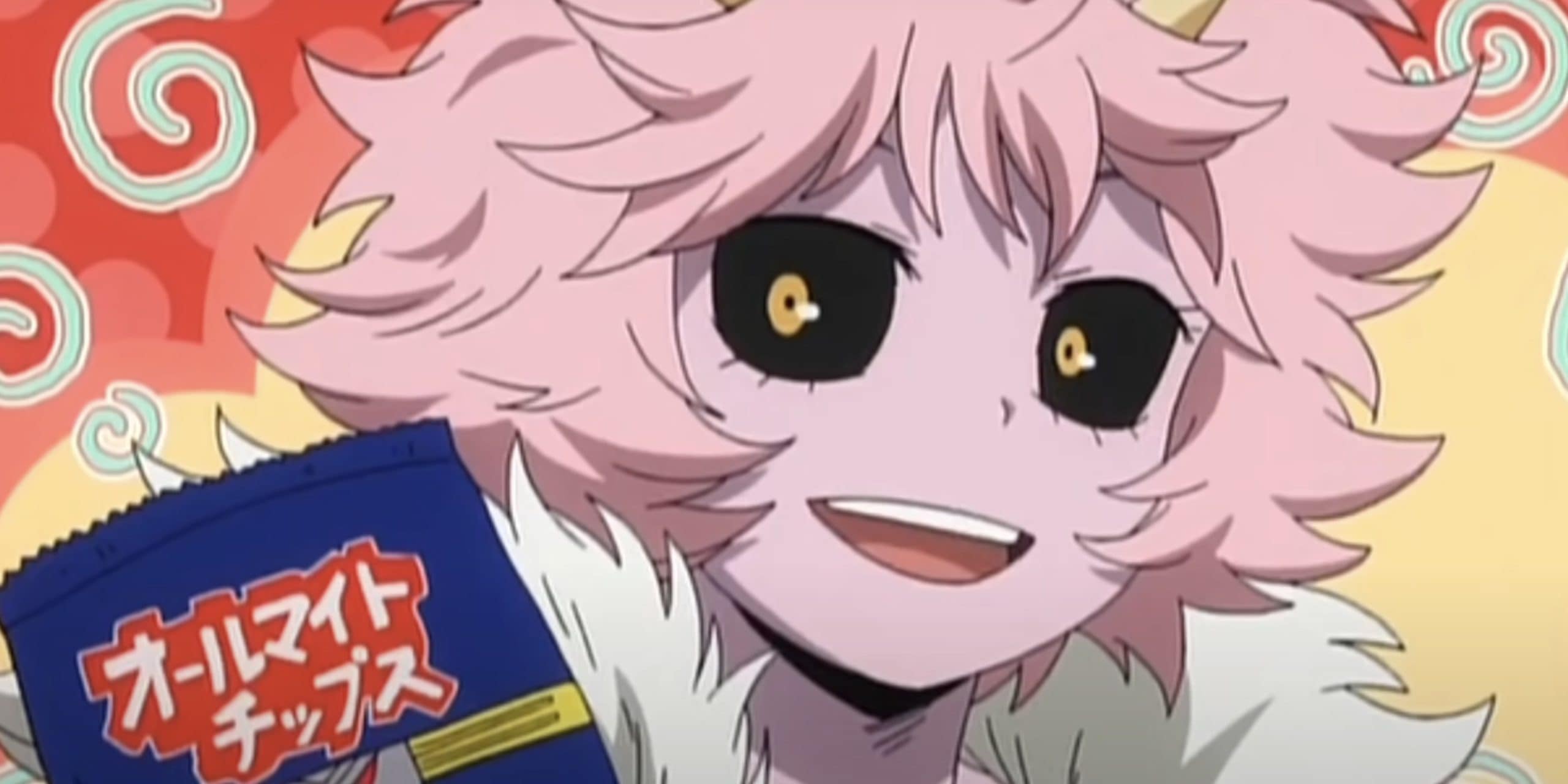
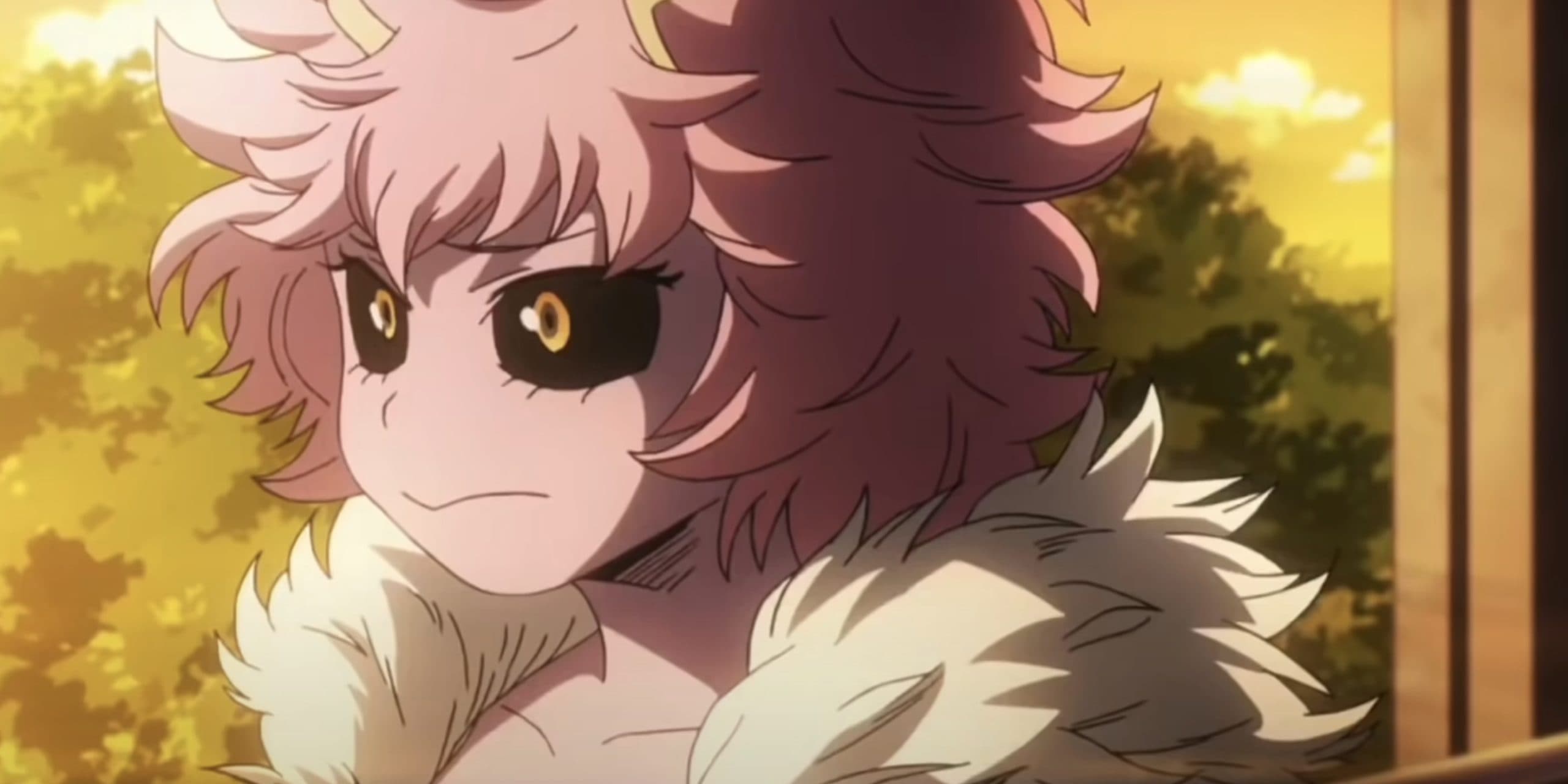
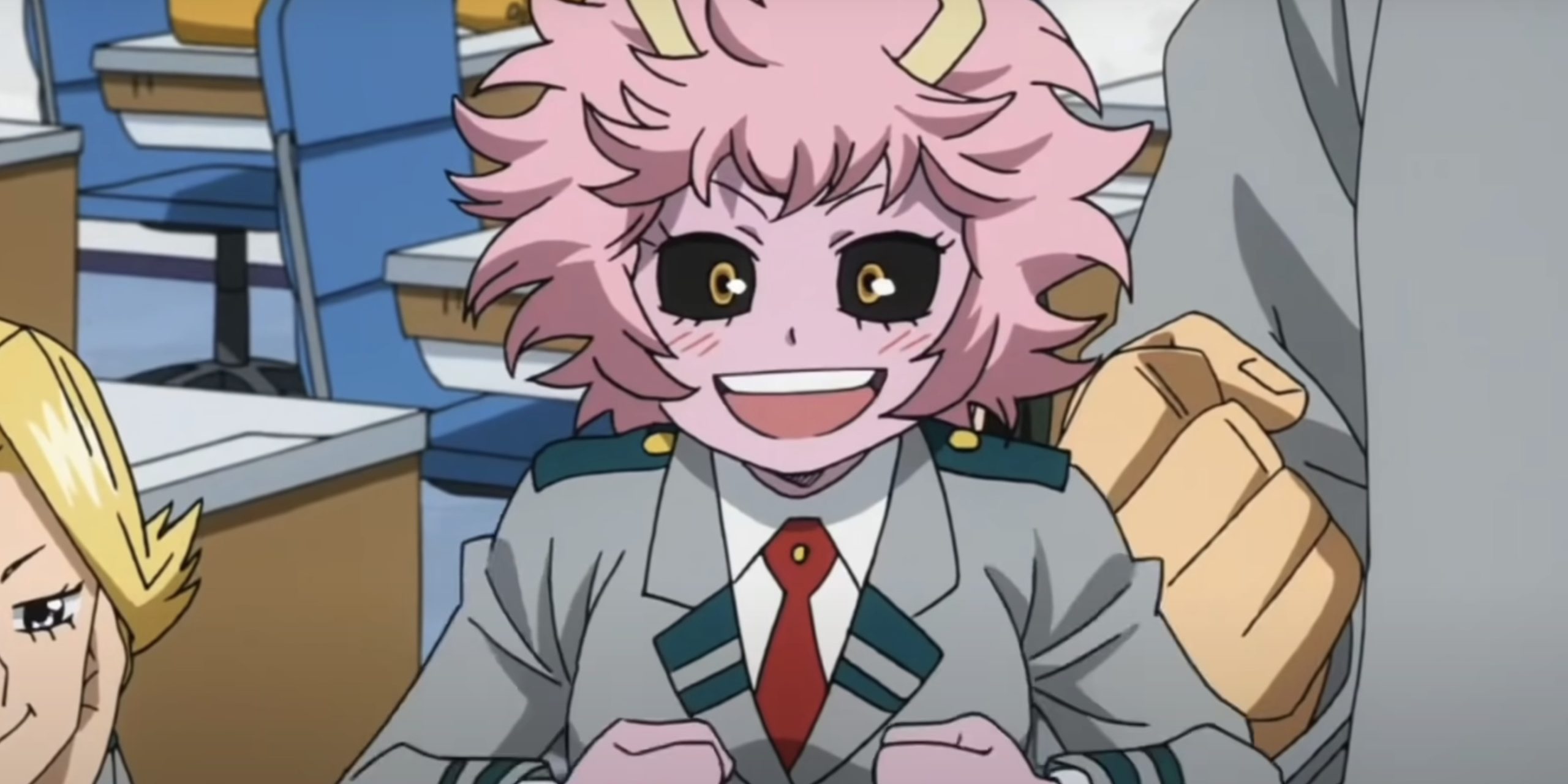
One such character is Mina Ashido, who has pink skin and black eyes along with her poison Quirk. She’s a fan favorite for her cheerful, funny personality and friendship with Kirishima.
But her distinctive appearance also makes readers curious – why does she look so different? Earlier exploration of how Mina and mutants like her navigate a world not always accepting of differences could have enriched the themes.
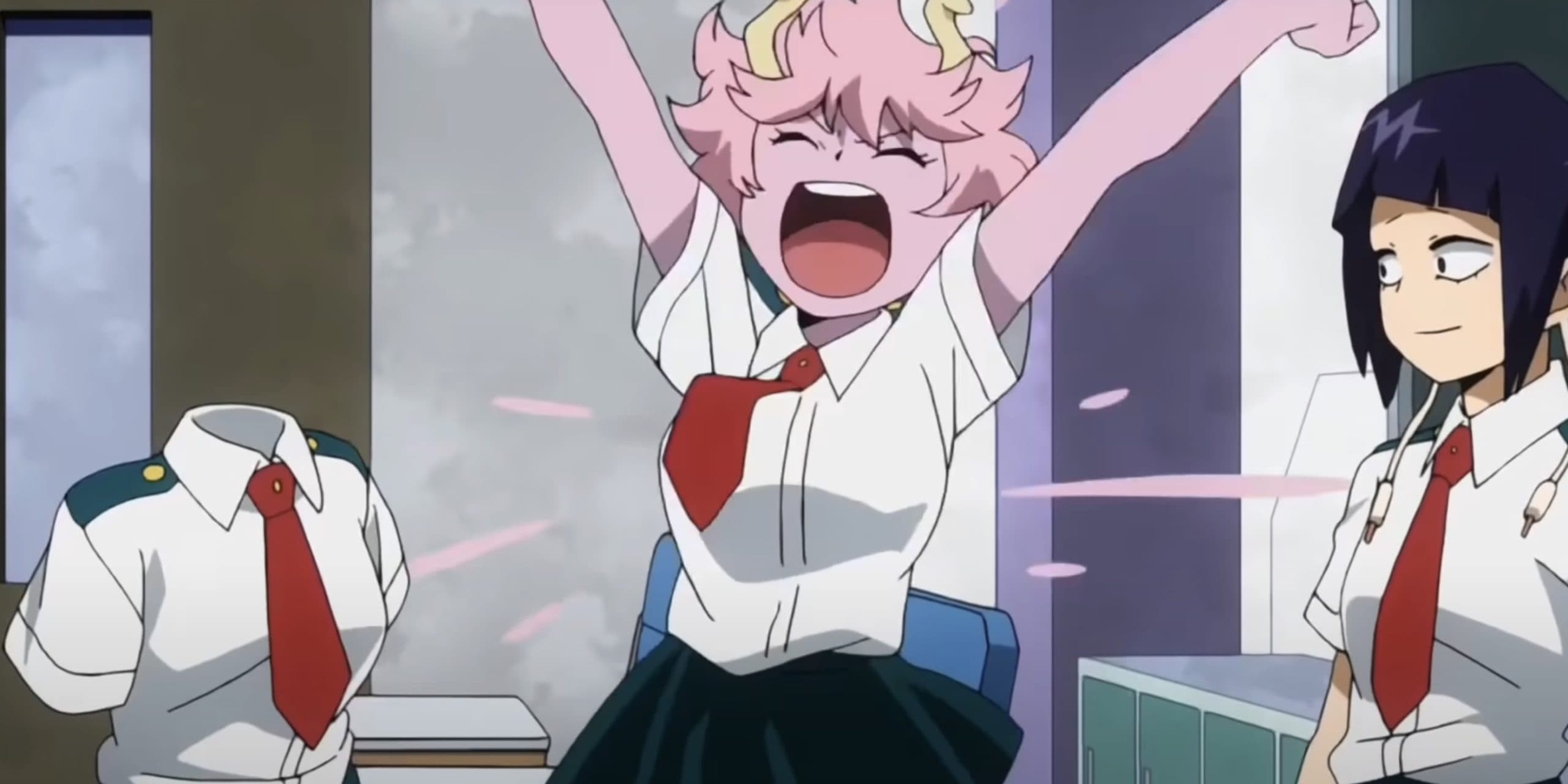
There’s certainly potential to show the prejudice and discrimination uniquely faced by those whose gifts manifest physically.
While Spinner’s role raised thought-provoking questions, earlier integration of this commentary on inclusion and diversity issues would have likely resonated more deeply.
Mina Ashido and the Quirky Heritage of Physical Traits
One key worldbuilding detail My Hero Academia establishes early on is that children can inherit a blend of their parents’ Quirks and associated physical traits.
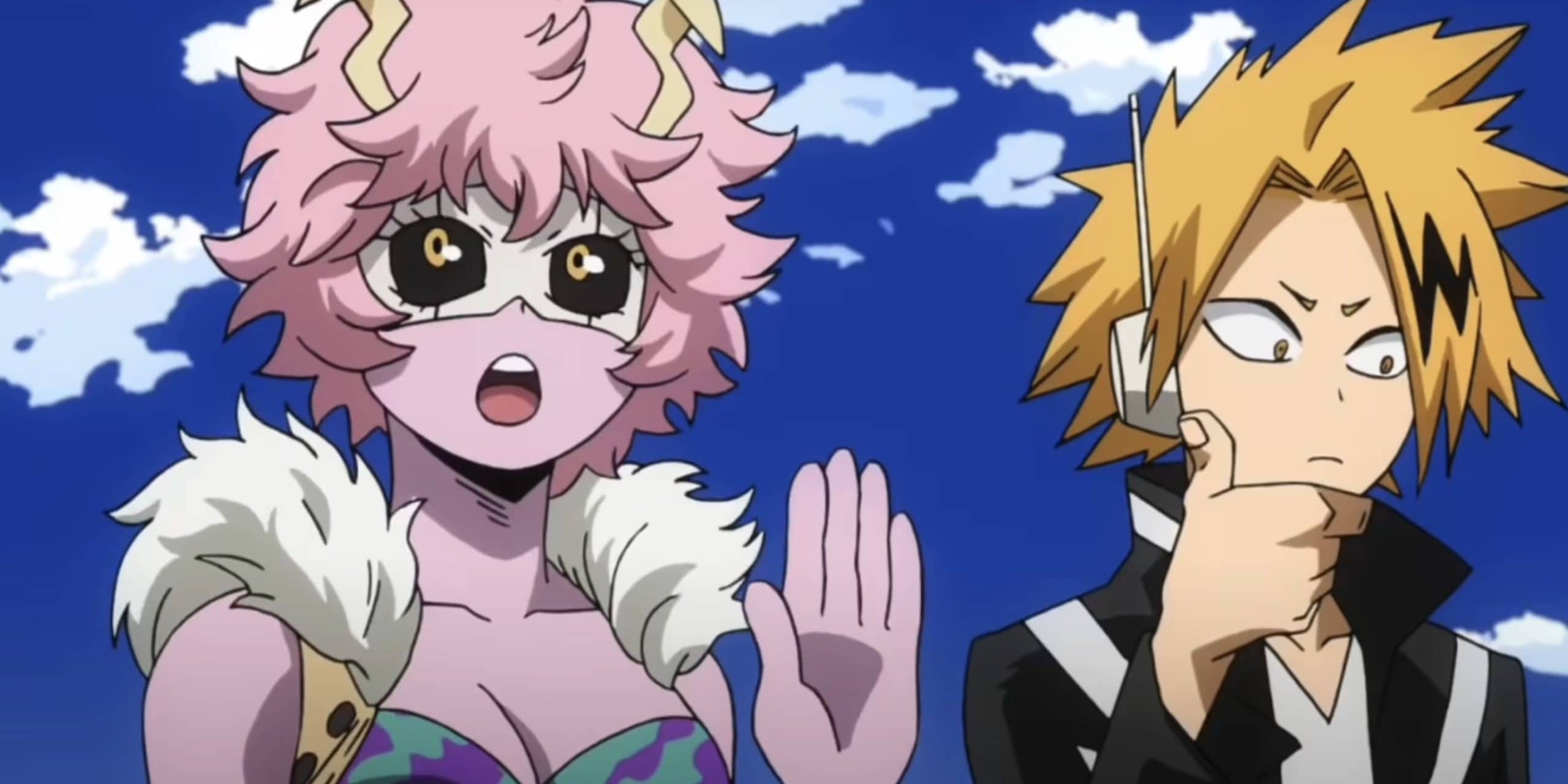
As evidenced by Shoto Todoroki’s lineage, the combination of two powerful Quirks can have dramatic results in amplifying strengths or even enabling new abilities in the next generation.
This hereditary passage of gifts also often manifests itself physically, like in Shoto’s signature half-white, half-red hair reflecting his dual Quirks.
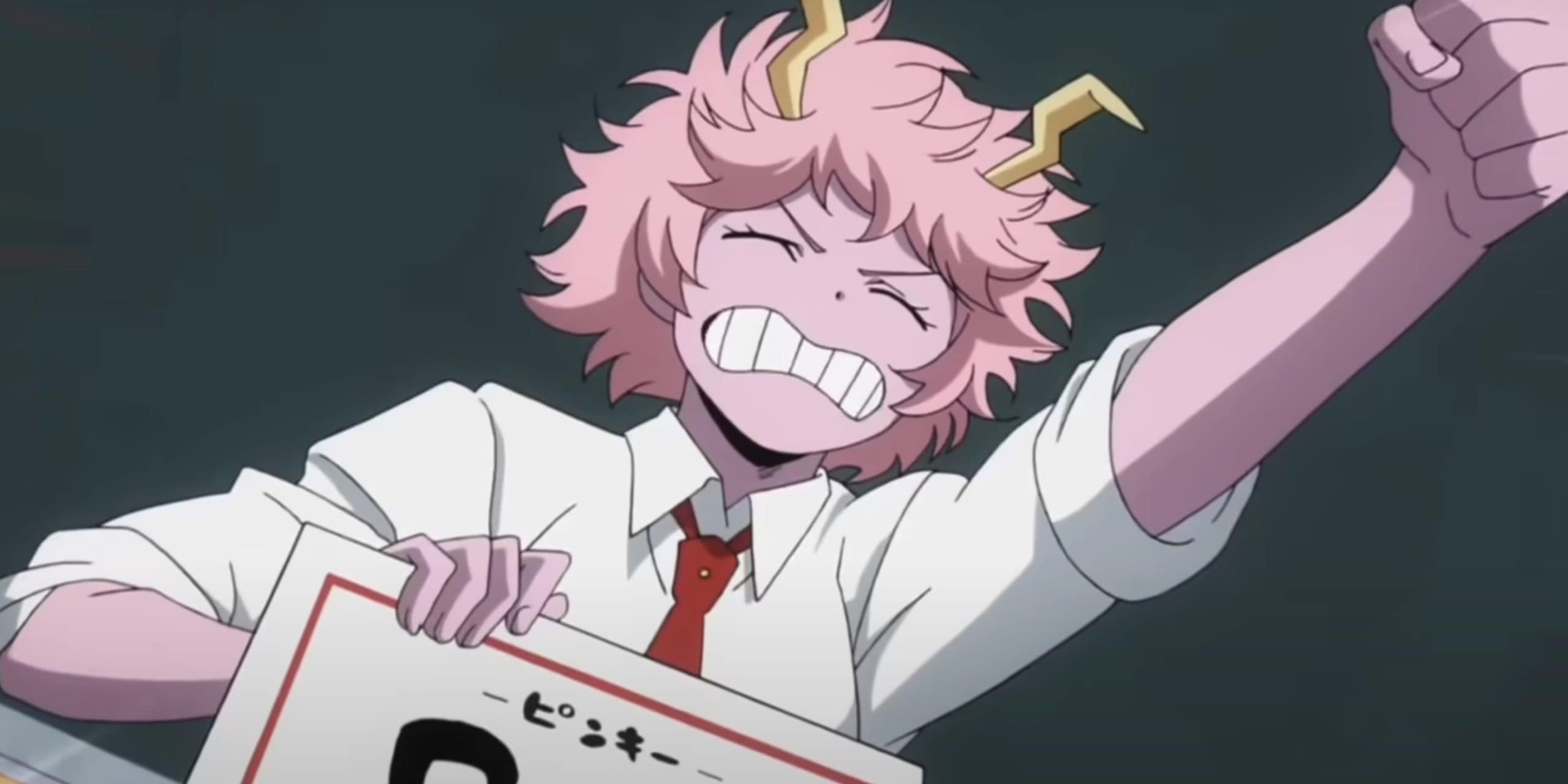
The same principles likely apply to Mina Ashido and account for her vivid pink complexion and stark black eyes.
Presumably one or both parents have similar distinguishing features tied to their own Quirks. However, unlike prominent hero families like the Todorokis explored throughout the story, Mina’s family remains unnamed and unseen.
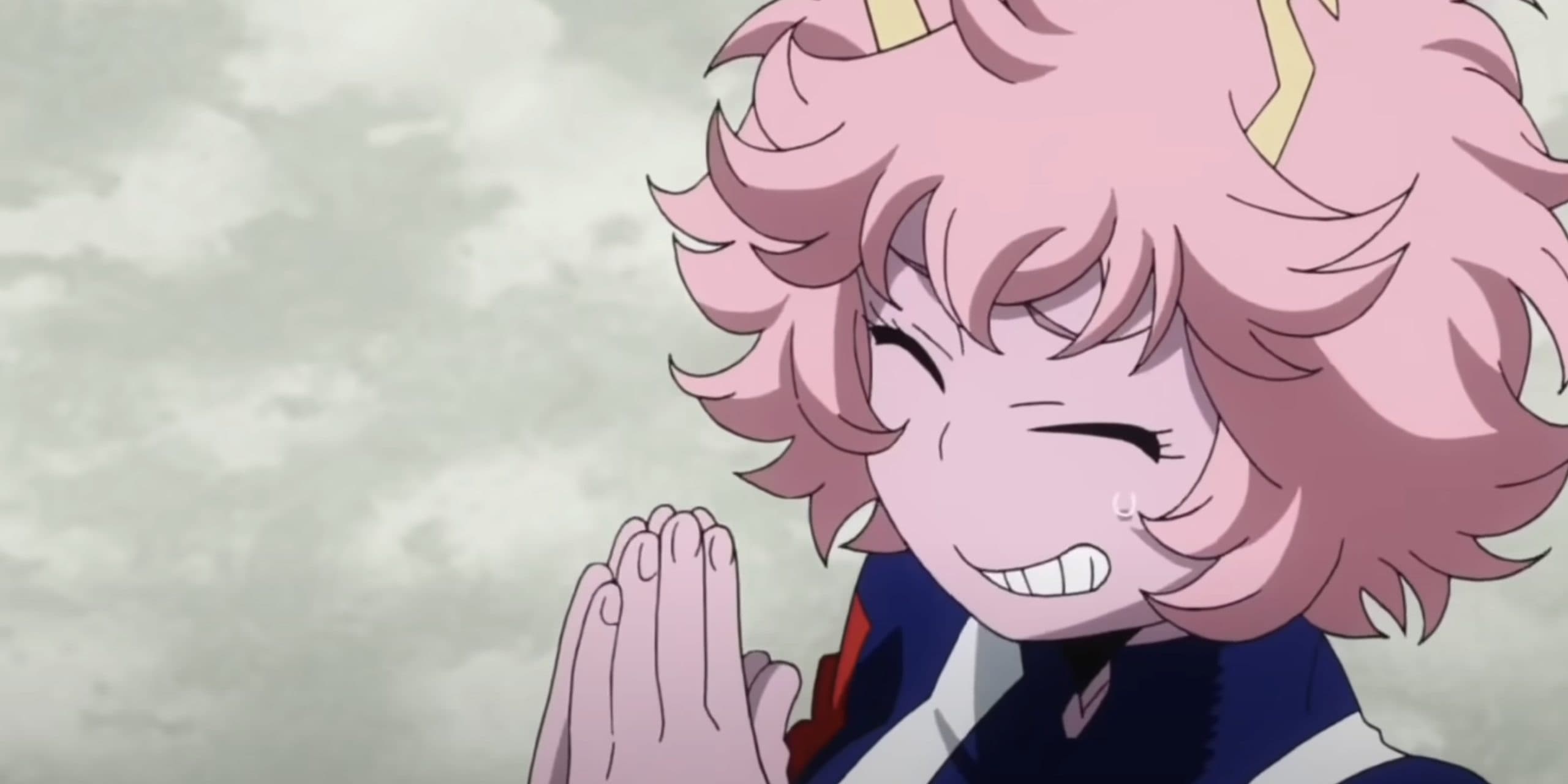
Still, her colorful alien-like appearance stands out remarkably from her UA classmates and shapes her early aspirations to claim the pro-hero name “Alien Queen.”
While ultimately going with “Pinky” instead, Mina’s one-of-a-kind look remains integral to her character without the backstory details provided for many peers.
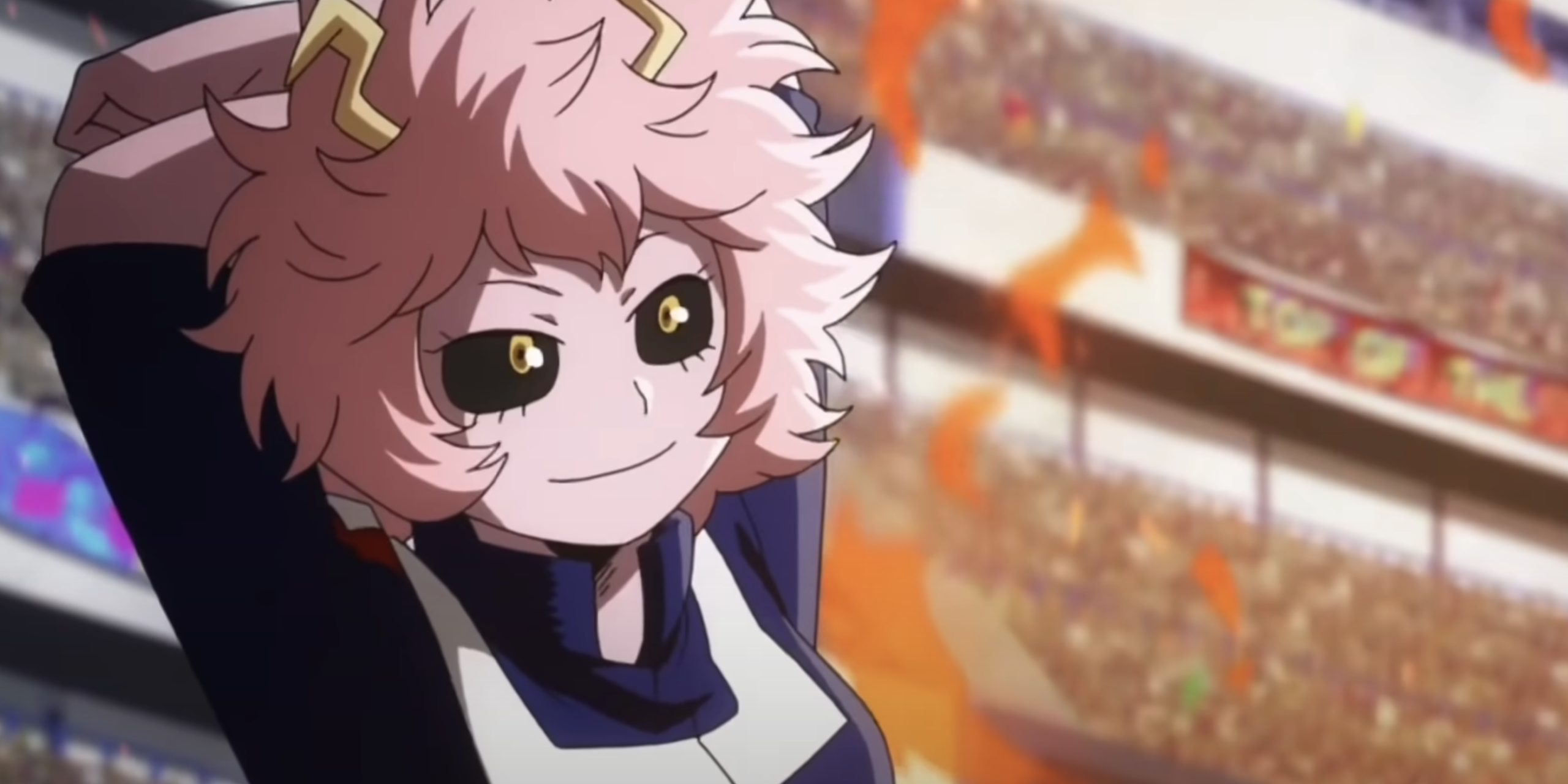
There could be rich narrative potential in diving deeper into the origins of Mina’s physical uniqueness within this established Quirk inheritance framework.
Delayed Exploration of Societal Prejudice Through Spinner
My Hero Academia creator Kohei Horikoshi clearly wanted to explore the issue of societal prejudice against physical differences through the character Spinner in the climactic War arc.
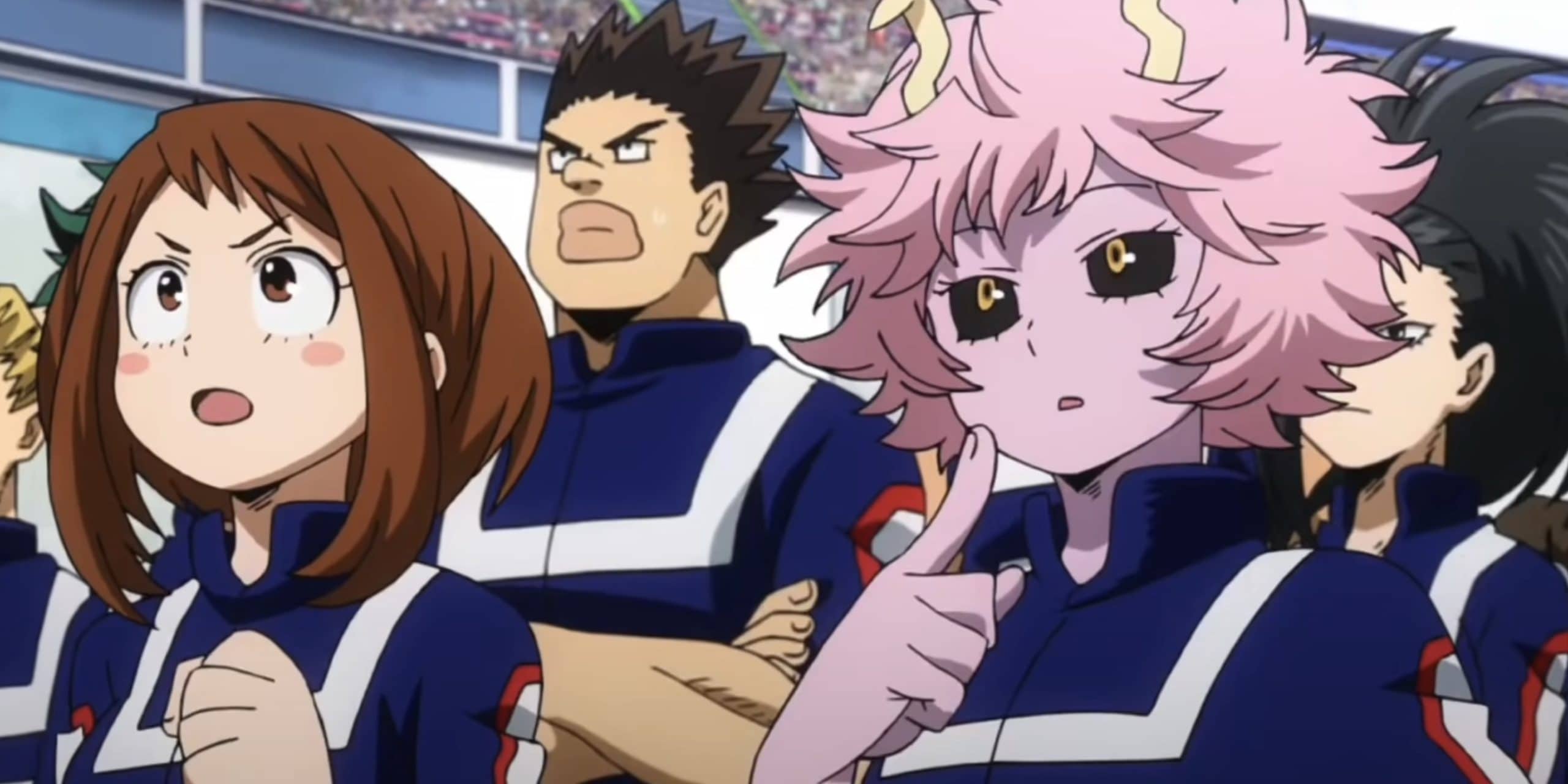
As a lizard-like mutant vilified and outcast for his appearance, Spinner reflects on the judgment and mistreatment he has faced.
This commentary on inclusion seems intent on highlighting how even some with honorable intentions like heroes can demonstrate bias against those who look different.
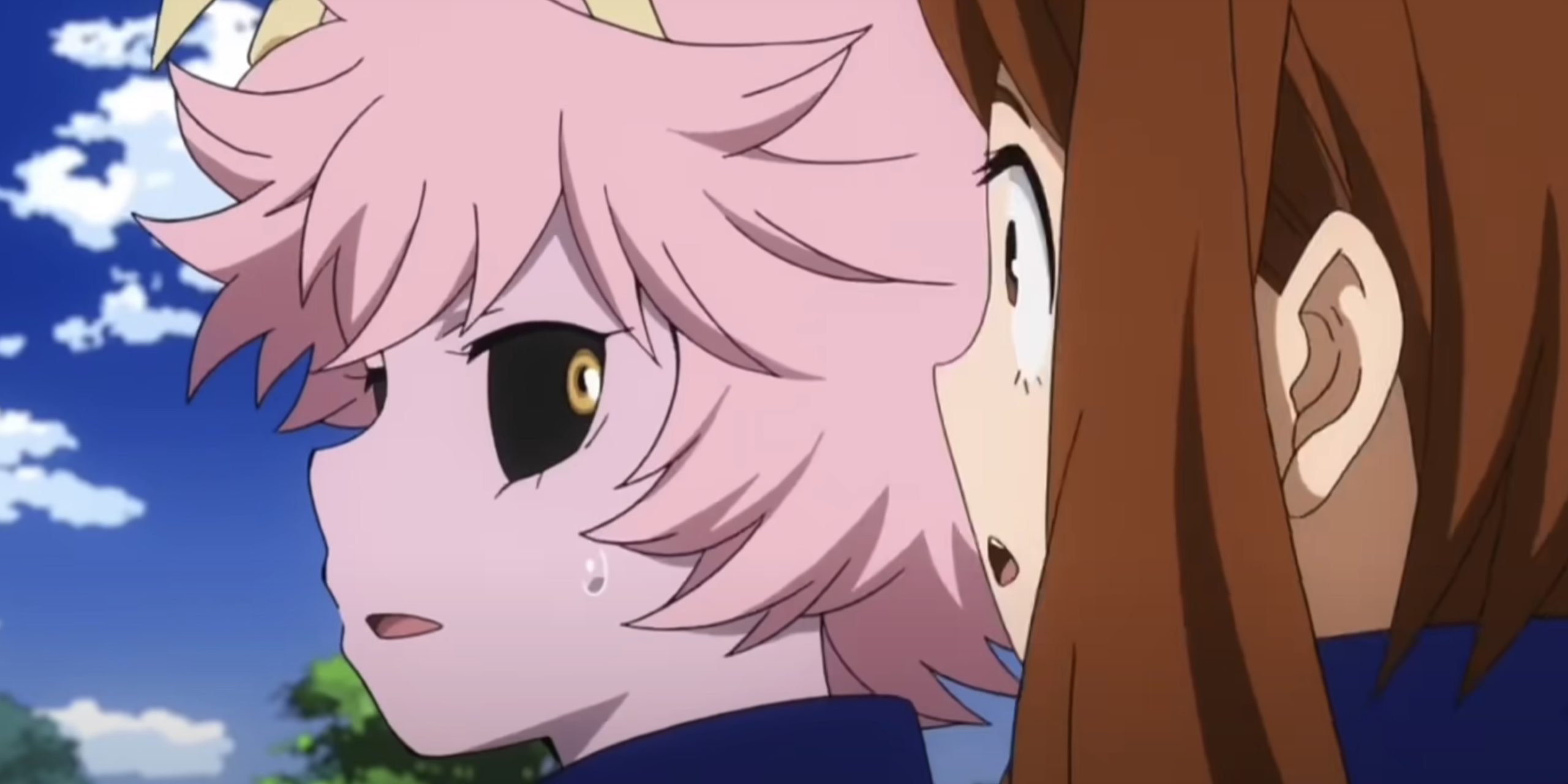
However, many fans felt Spinner’s central role in this theme was too little, too late at this final stage of the series. There are certainly other characters for whom physical mutation is core to their conception from the beginning, like Mina Ashido.
But the manga could have woven this strain of commentary through earlier on – addressing systemic discrimination, the psychological toll of enduring gawking or cruel remarks, and efforts by heroes and civilians alike to promote acceptance.
Integrating these sorts of perspectives organically through characters intrinsically tied to this struggle rather than suddenly at the climax may have lent more resonance. Still, the foundations are there to build on regarding embracing differences in abilities and appearances alike.
Narrative Challenge of My Hero Academia’s Power Scaling
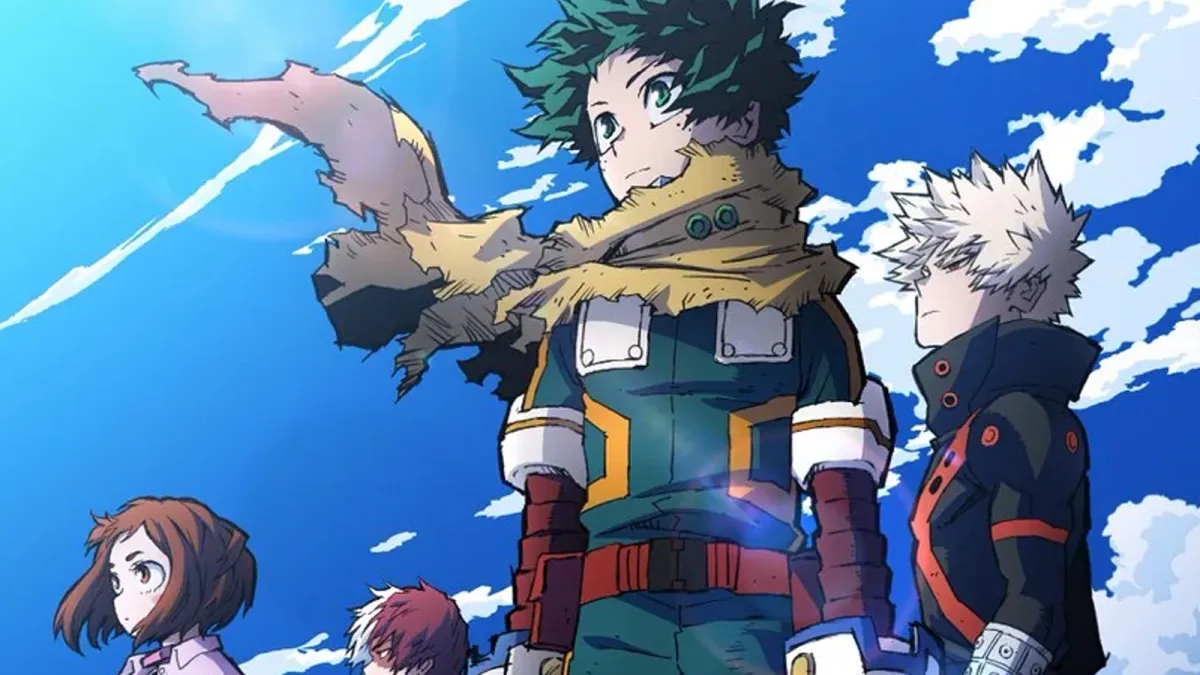
A common refrain among My Hero Academia fans is the desire to see more development and action from Class 1-A students beyond the central trio of Deku, Bakugo, and Todoroki.
Even prominent early characters like Ochako Uraraka fade into the background as the stakes heighten, threats escalate, and Deku unlocks more Quirks. This diminishing focus on the supporting cast stems largely from the series’ drastic power scaling.
As Deku and select pro heroes exert ever-increasing strength, most students simply can’t compete at the levels necessary to impact the final clashes with All For One.
Their roles become tertiary despite the manga ostensibly revolving around UA High School and mastering one’s gifts. Mina Ashido barely sees any combat despite her impressive acid Quirk.
So the fundamental premise of learning to be a hero with Class 1-A gets overshadowed by spectacle battles between titans, to the disappointment of fans wanting more balance.
Moving forward, this is a tricky narrative issue for the series to grapple with – justifying the continued relevance of fledgling heroes-in-training when they’re so clearly outmatched by god-like powers and threats.
However, centering student perspectives and cementing their determination in the face of epic battles ahead could recover some of that early charm and groundedness. There are clearly still stories left to tell for Mina and beyond.
Mina Ashido’s distinctive pink skin in My Hero Academia is a direct result of her acid Quirk. The acidic nature of her powers has altered the pigmentation of her skin over time, causing it to take on a bright pink hue.
Horikoshi, the creator of My Hero Academia, chose not to delve too deep into the scientific rationale behind this physiological change. Within the logic of Quirks and superpowers, he simply decided that constant exposure to acid would lead to pink skin for Mina.