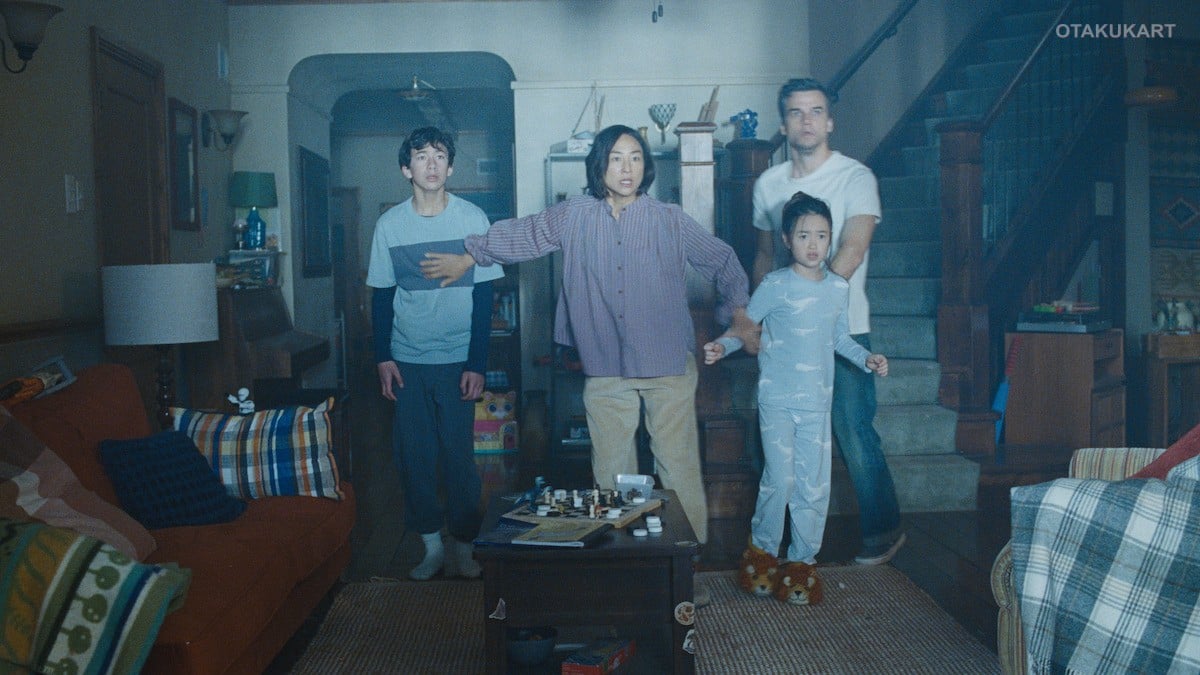
The Last House starts with a simple nightmare: what if you could not leave your home, no matter what you tried? The Netflix sci-fi horror thriller turns that idea into a family survival story, following parents Jason and Riley as they discover that their Seattle home has effectively become a prison. A strange phenomenon associated with relentless rain seals the family inside, cuts them off from communication and leaves them with no clear explanation for what is happening outside.
Directed by Louis Leterrier and written by Matthew Robinson, the movie uses its confined setting to explore survival, parenting and the psychological consequences of prolonged isolation. The premise also inevitably recalls the emotional experience of the COVID-19 lockdown, although the film eventually moves into much stranger science-fiction territory. That shift is both its biggest strength and its biggest weakness, because the grounded family drama is considerably more convincing than the mythology behind the disaster.
The Last House Works Best When Survival Becomes the Real Horror
The strongest portion of The Last House is its early and middle stretch, when the mystery remains largely unexplained and the Delgado family is forced to figure out how to survive. Jason, Riley and their children initially treat the situation almost like an extended emergency, finding ways to ration food, communicate with neighbors and make their increasingly restricted lives feel normal. Those smaller details give the movie an unusually believable foundation.
The family dynamic also gives the story its emotional center. Jason’s engineering background makes him useful when conventional solutions stop working, while Riley becomes increasingly focused on preserving whatever food and resources remain. Their children, Graham and Ruth, are forced to mature far more quickly than they should, creating additional tension as their parents struggle to balance protecting them with making brutal survival decisions.
The house itself gradually becomes one of the movie’s most effective elements. Rather than remaining a static location, it changes as the family adapts to their circumstances, with rooms and everyday objects taking on new purposes. The deteriorating environment helps communicate how much time has passed and makes the family’s isolation feel physical rather than simply being something the screenplay tells us about.
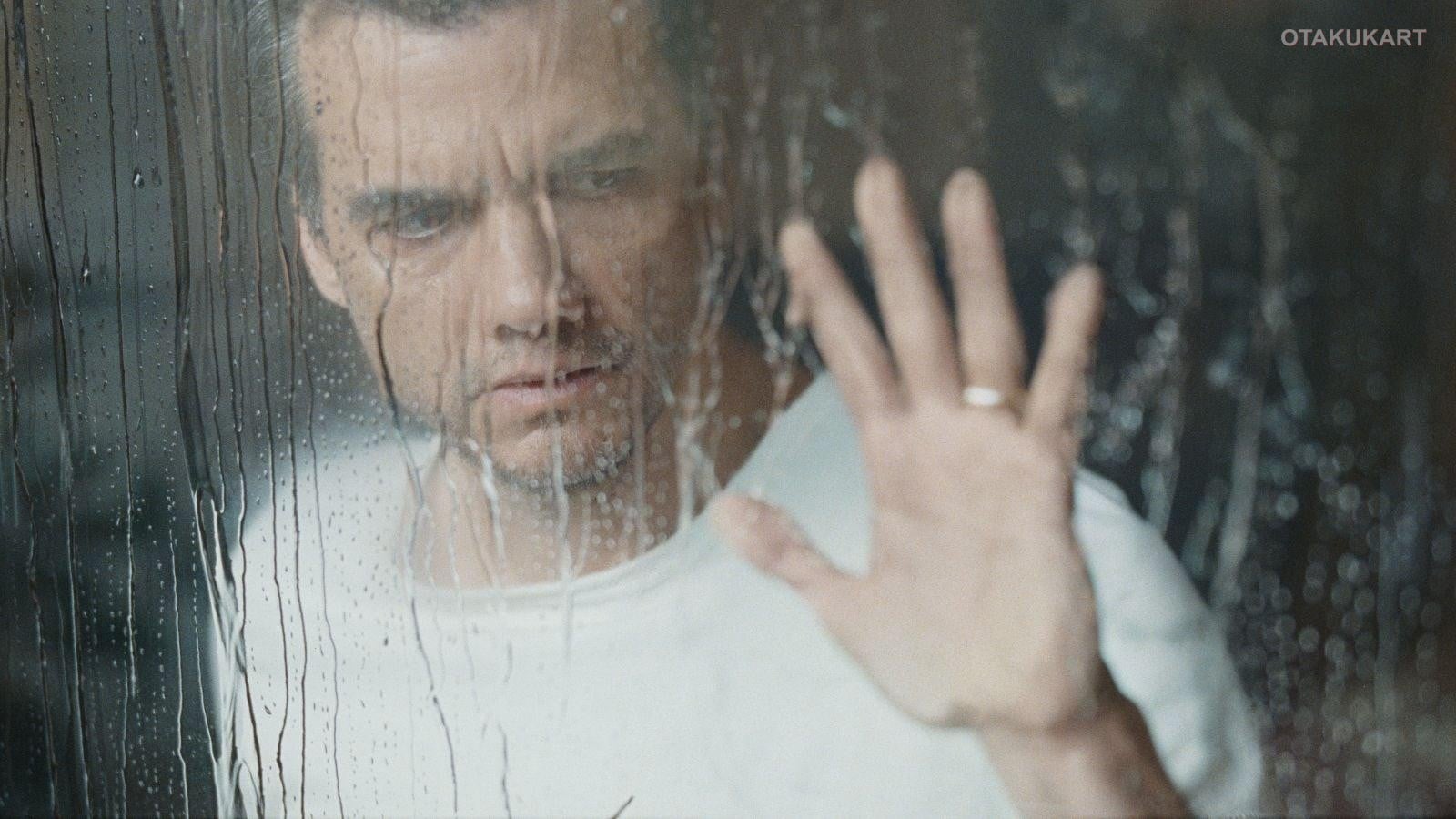
That atmosphere is supported by convincing performances, particularly from Wagner Moura. He gives Jason a believable combination of determination, fear and exhaustion, making the character’s increasingly desperate decisions easier to understand. Greta Lee is less consistent, but the emotional weight of the family situation still gives her moments that work.
Unfortunately, The Last House becomes less effective once it begins explaining exactly what is happening. The mysterious force keeping people trapped initially creates genuine curiosity because the audience knows as little as the characters. When the film starts providing answers, however, the mythology feels considerably less developed than the premise deserved.
The final act is where the movie loses much of its momentum. The story moves away from its intimate survival-thriller roots and toward more conventional sci-fi horror, introducing creatures and larger-scale ideas that are not nearly as frightening or memorable as the unseen threat established earlier. The visual effects and action sequences occasionally give the film a bigger scope, but they do not compensate for the weaker storytelling.
There is also an interesting environmental dimension underneath the plot. The movie touches on humanity’s relationship with nature, ecological change and the possibility that the world itself is adapting in ways humans cannot control. These ideas could have given The Last House considerably more depth, but the screenplay tends to introduce them without exploring them enough.
Ultimately, The Last House is a decent Netflix survival thriller that is considerably better at creating a frightening situation than explaining it. Its strongest scenes focus on the family’s daily struggle, resourcefulness and deteriorating mental state, while its weakest moments attempt to turn an intriguing mystery into a larger mythology that never fully comes together.
For viewers looking for a straightforward weekend sci-fi thriller, The Last House is worth considering, especially because Moura’s performance and the claustrophobic atmosphere keep it watchable. However, anyone expecting a tightly constructed mystery or genuinely frightening creature feature may find the conclusion disappointing. The movie has a strong hook, but it ultimately does not extract everything it could from it.
The Good
- Strong central performances from Wagner Moura and Greta Lee.
- The confined-house setting creates effective claustrophobic tension.
- The family's resourcefulness makes the survival elements engaging.
- The deteriorating house effectively communicates the passage of time.
- The early mystery creates genuine curiosity.
The Bad
- The sci-fi explanation becomes increasingly difficult to accept.
- The creature design is less frightening than the premise suggests.
- The environmental themes are introduced without enough exploration.
- The final act lacks the impact of the earlier survival sequences.
- Some dialogue feels overly familiar and predictable.
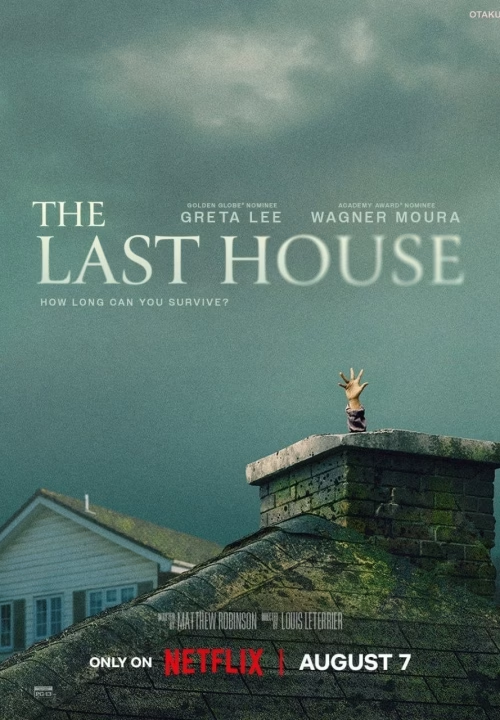
| Release Date | August 7, 2026 |
|---|---|
| Studio | Chernin Entertainment |
| Director | Louis Leterrier |
| Writer(s) | Matthew Robinson |