
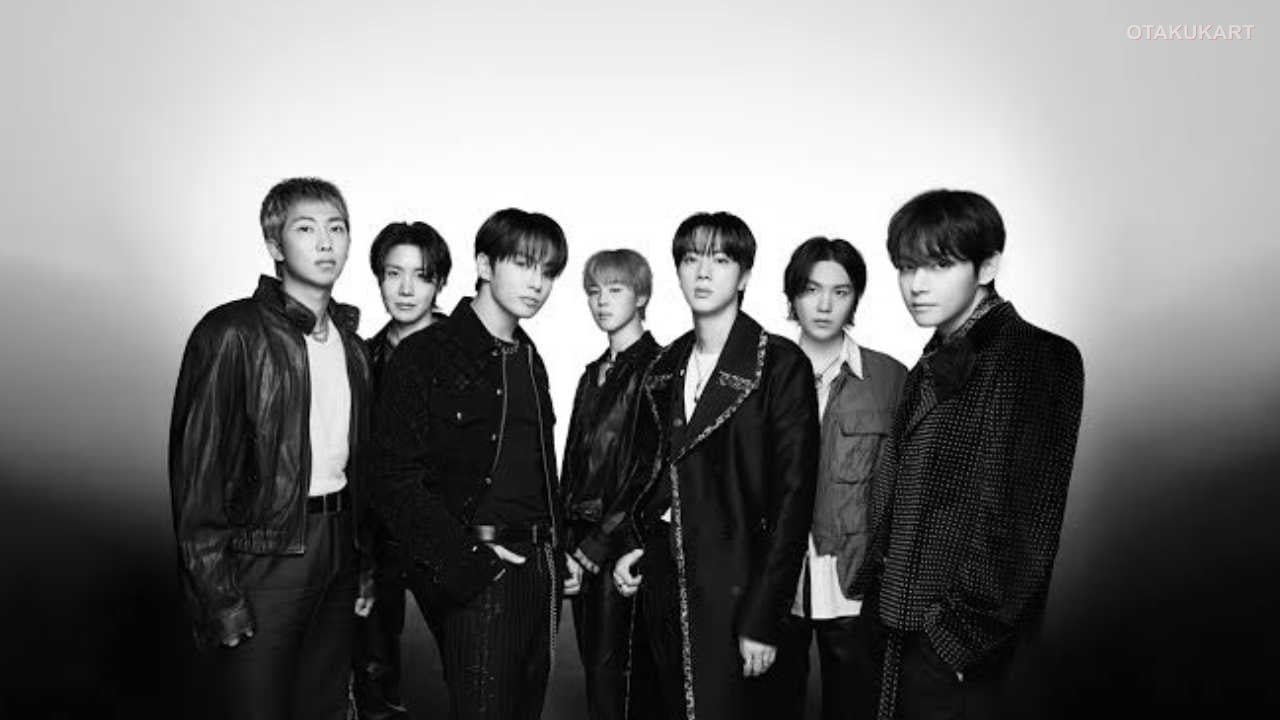
The global music landscape has completely changed over the last decade, and at the absolute center of this cultural shift is the multi-record-breaking group, BTS.
However, with unprecedented global success comes an unparalleled amount of public scrutiny, intense online discourse, and a recurring phenomenon that routinely makes waves across online communities: the perpetual attempts by anti-fans and haters to “cancel” the group, matched instantly by the fierce protective defense of their massive global fandom, ARMY.
As highlighted by Koreaboo and trending discussions across social media platforms like X (formerly Twitter), the unique dynamics between BTS, their passionate supporters, and persistent critics continue to spark heated debates.
This ongoing cycle sheds light on a broader, often exhausting conversation regarding the nature of cancel culture, the blurred boundaries of fan entitlement, and how internal fandom divisions can inadvertently feed into the narratives created by outsiders who are looking for any reason to bring down the prominent group.
The Anatomy of False Narratives and the Reality of “Hater Culture”
For a senior group of BTS’s stature, navigating online hostility is unfortunately nothing new.
From the very beginning of their career, the members have had to develop thick skin against a constant stream of critical noise.
However, as the group transitioned onto the global stage, the nature of the pushback they faced transformed significantly.
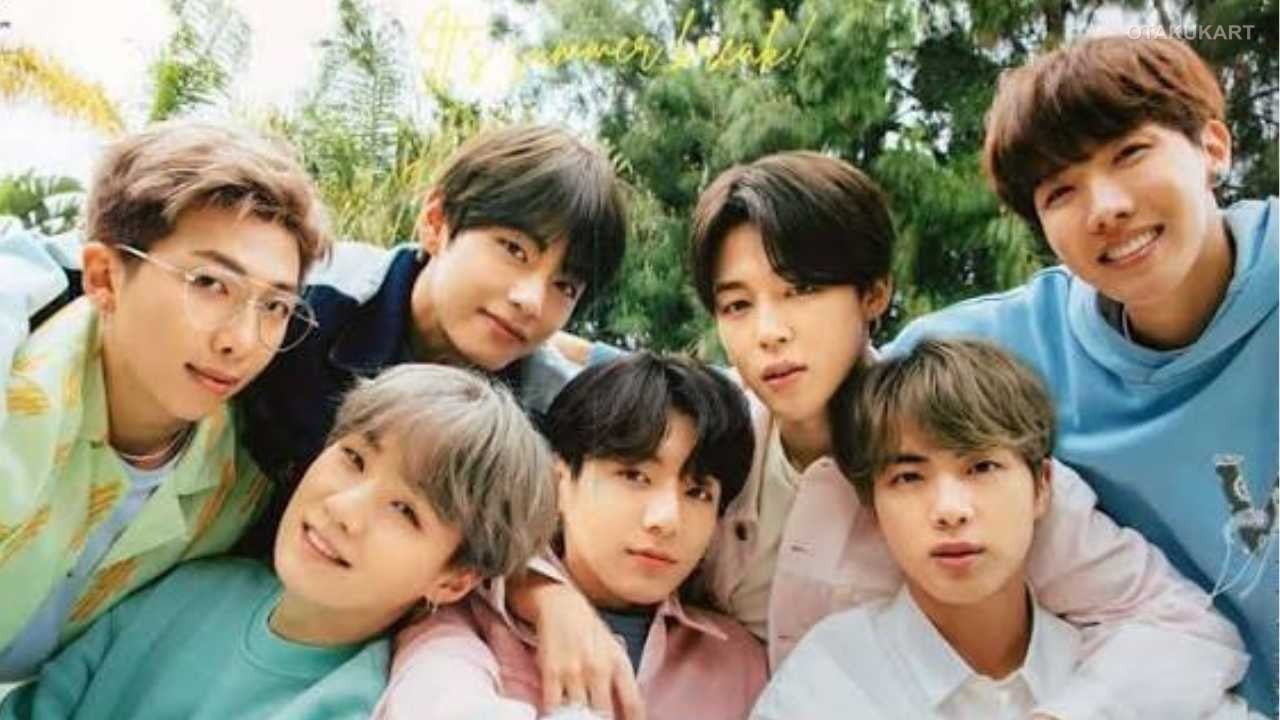
Observers have long pointed out that the vitriol directed at the group often extends far beyond typical musical critiques- such as someone simply stating they dislike a particular song or concept.
Instead, much of the online hate routinely carries deeply problematic undercurrents.
Many global fans and cultural critics have noted that a vast majority of the aggressive canceling attempts targeting BTS are heavily rooted in xenophobia, racism, and a general discomfort with Asian artists dominating Western music spaces.
When critics cannot find legitimate professional faults, they often resort to trivial, manufactured controversies or weaponize performance metrics to claim the group is “failing” or “losing their grip” on the industry.
This coordinated effort by anti-fans to manipulate public perception often amplifies minor misunderstandings, transforming standard industry shifts or casual member commentary into full-blown controversies designed to alienate casual listeners.
Fandom Friction, Solo Accounts, and Shielding the Group
While external haters present a constant challenge, some of the most intense drama often originates from within the extended fandom spaces themselves, a reality that anti-fans are always eager to exploit.
In the fast-paced ecosystem of social media, friction frequently develops between dedicated “OT7” fans (who support all seven members equally) and “solos” or “akgaes” (individual member fans who maliciously put down other members to elevate their favorite).
This internal divide often peaks ahead of major group milestones or highly anticipated comebacks, as groups of fans find themselves clashing over streaming strategies, chart priorities, and perceived imbalances in promotion.
A notable example of this internal friction involves arguments over group streaming numbers on major platforms like Spotify and Apple Music.
When daily metrics fluctuate, certain vocal factions often begin guilt-tripping newer or less-active fans, falsely claiming that a temporary dip in numbers means the fandom is losing its dedication or that certain members are being sidelined.
These internal arguments often spill over into public spaces, creating a loud and chaotic environment where everyone seems to be trying to “cancel” one another over different interpretations of fandom loyalty.
Anti-fans easily seize upon these moments of internal panic, using leaked chat groups or petty fanwar arguments as ammunition to project an image of a divided, collapsing community to the outside world.
Faced with this dual front of external hostility and internal noise, the vast majority of rational supporters actively work to implement boundaries and maintain a drama-free environment.
Many experienced fans advocate for a strict “block and ignore” strategy on social media to keep their timelines focused entirely on the music and achievements of the members.
As one dedicated fan shared during a recent online discussion regarding fandom drama,
“Anti’s and haters are going to try their best to cause drama and sew the seeds of distrust. Focus on Bangtan. Ignore the other stuff.”
Ultimately, the countless attempts to cancel BTS have repeatedly proven ineffective against the group’s undeniable cultural impact and artistic integrity.
By continuously steering the focus back toward the members’ hard work, global philanthropy, and musical messages, the core fandom ensures that the groundless noise generated by haters remains just that- temporary background noise that cannot dim the group’s historic, enduring legacy.