Romance anime rarely achieve both critical acclaim and sustained fan enthusiasm across multiple seasons. The Dangers in My Heart did precisely that.
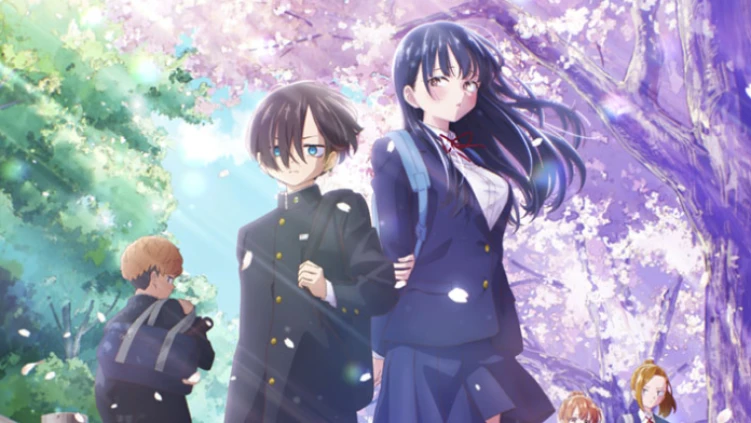
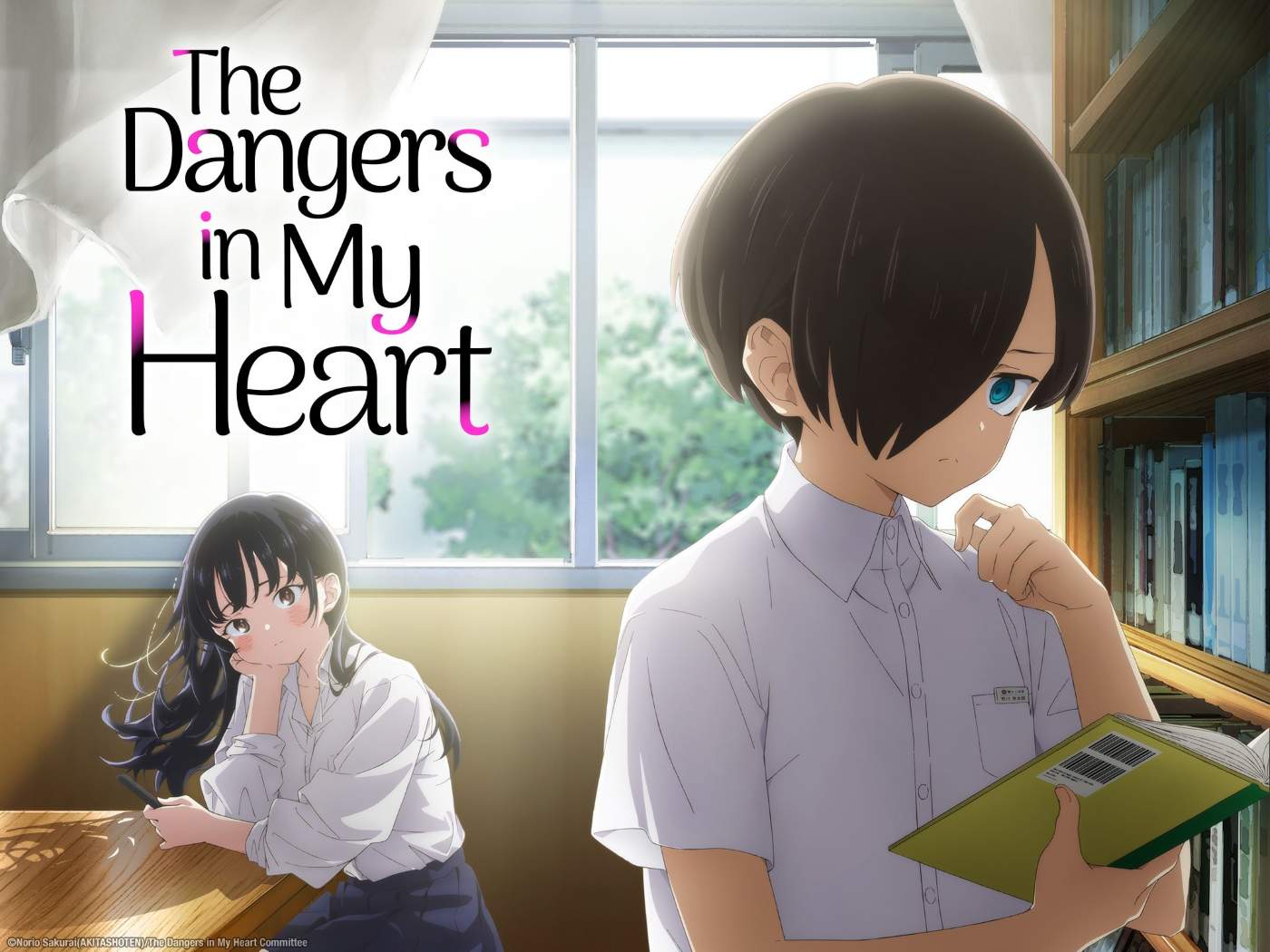
Blending romantic tension with a nuanced coming-of-age narrative, the series carefully charts the emotional evolution of Kyotaro Ichikawa and Anna Yamada, grounding its humor and sweetness in authentic character growth.
Otakukart spoke with director Hiroaki Akagi and producers Yosuke Sakurai of Shin-Ei Animation and Kazuki Endo about the upcoming feature-length compilation film.
The project condenses Seasons 1 and 2 while incorporating newly animated sequences, presenting the story in a theatrical format. Our discussion focused on adaptation challenges, production differences between television and film, and the creative priorities behind the transition.
Alberto: How did each of you first become involved with the project? Were you familiar with the manga beforehand?
Endo: I originally came across the manga myself and was struck by how strong it was. After reading it, I approached Director Akagi and Shin-Ei Animation with the proposal.
Akagi: I wasn’t familiar with the manga until Endo introduced it to me. Once I read it, I immediately recognized its quality and agreed to take part.
Sakurai: I knew of the series previously, but after receiving the offer I reread it in full. I was impressed, and it quickly felt like a strong collaboration opportunity with Director Akagi.
Alberto: What prompted the decision to produce a compilation film?
Endo: The popularity of Seasons 1 and 2 certainly played a role, but we also wanted to make the story accessible to viewers who had not yet experienced it. A theatrical release offered a way to reintroduce the series to a broader audience.
Akagi: When I first heard it would be a compilation, I was uncertain. However, once I learned we could include new animated material, I became enthusiastic about the idea.
Sakurai: Condensing two seasons into a single film is demanding. It required significant restructuring, but we believe the result feels cohesive and impactful.
Alberto: Director Akagi, how did you determine where to place the newly animated sequences?
Akagi: Screenwriter Hanada proposed several ideas, and one particular concept stood out as especially compelling. That direction ultimately shaped our approach.
Endo: We discussed depicting events prior to Season 1, but concluded that audiences would be most interested in seeing what follows Season 2. That led us to focus on Kana Ichikawa’s live performance sequence.
Alberto: How involved was manga creator Norio Sakurai in the film’s development?
Endo: Throughout both television seasons, Sakurai-sensei reviewed screenplays and storyboards and offered supportive feedback. That collaborative relationship continued with the film.
Akagi and Sakurai: We share that perspective.
Alberto: From a production standpoint, what differed most between the TV series and the film?
Sakurai: Structurally, a film allows for one continuous narrative rather than episodic segmentation. That enables larger emotional arcs.
Endo: The theatrical environment also raises expectations for sound design. We worked with 5.1 surround sound and placed greater emphasis on audio detail to suit cinema presentation.
Alberto: Director Akagi, pacing is central to Ichikawa and Yamada’s relationship. How did you preserve emotional beats within a shorter runtime?
Akagi: The key is understanding their emotional distance at every moment. Identifying the turning points in their relationship and maintaining clarity around those shifts guided both direction and editing.
Alberto: What factors influenced the release timing and marketing strategy?
Endo: We aimed to avoid a long gap following Season 2 while maintaining production quality. After discussions with Shin-Ei Animation, we selected February 13 in Japan, aligning closely with Valentine’s Day, which felt thematically appropriate.
Alberto: Were there cinematic techniques explored in the film that were not feasible in television?
Akagi: The motion capture work for the band performance sequence stands out. It added a dynamic quality that I believe audiences will find exciting.
Alberto: The series has seen strong international reception. Did you anticipate this level of global popularity?
Endo: We did not expect the response to reach this scale. Our attention to detail, particularly in portraying Ichikawa and Yamada’s subtleties, likely contributed to that reception.
Akagi: Much of the emotional storytelling relies on gestures and unspoken cues. I was unsure how that would translate internationally, but seeing audiences respond positively has been reassuring.
Sakurai: Being recognized so strongly is an honor. The relatability of Ichikawa and Yamada’s growth and independence may have resonated with viewers beyond Japan.
Alberto: What do you hope audiences will feel after watching the film?
Akagi: Entering and exiting a theater can be transformative. I hope viewers feel that shift.
Sakurai: Ideally, they leave feeling refreshed and reinvigorated.
Endo: The film traces a clear emotional progression from beginning to end. I hope audiences walk away feeling they have witnessed a beautifully realized love story.
We thank Hiroaki Akagi, Yosuke Sakurai, and Kazuki Endo for sharing their insights, as well as HIDIVE for assisting with coordination and the staff of Anime Expo for hosting the event. Both seasons of The Dangers in My Heart are available to stream on HIDIVE.