
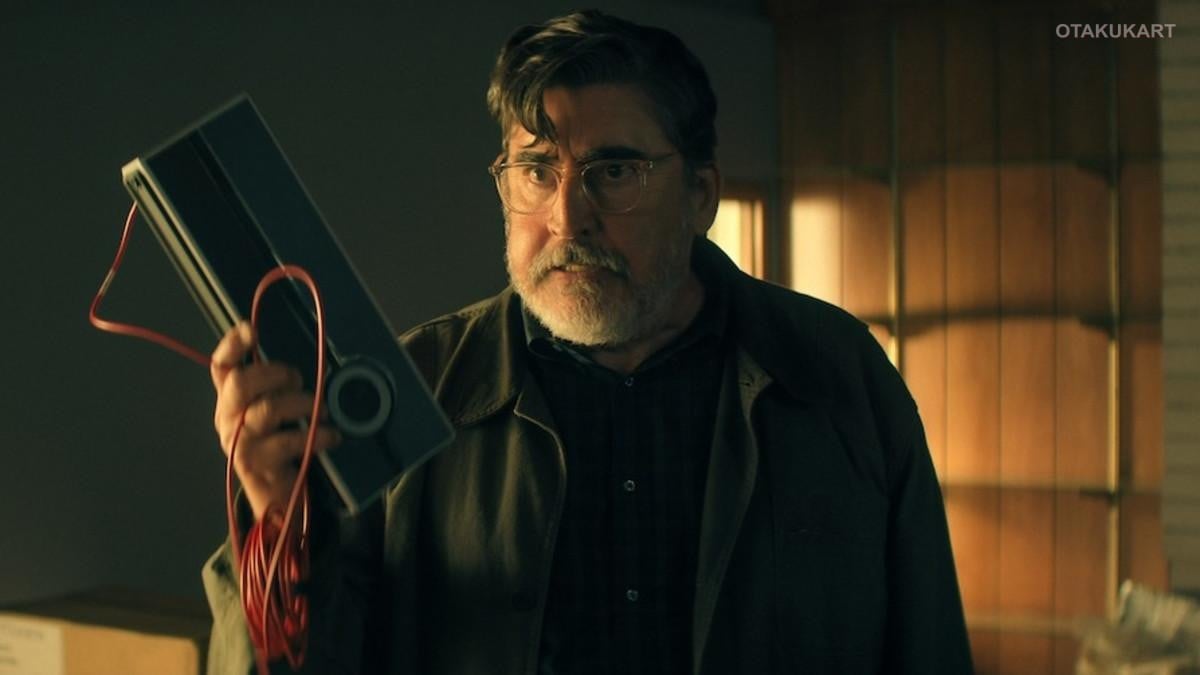
The Boroughs may be built around supernatural horror, but one of its most powerful storytelling tools comes from its soundtrack. Music supervisor Nora Felder has revealed how classic tracks from David Bowie and Bruce Springsteen were carefully chosen to lift the emotional core of the series.
Speaking to Netflix Tudum, Felder explained that the music was never just background noise but an essential part of the narrative. Each song was selected to reflect character journeys, particularly that of Sam Cooper, played by Alfred Molina, whose story anchors the show’s emotional depth.
Why “Golden Years” Sets the Tone From the Start
The series opens with Bowie’s “Golden Years,” a track that immediately contrasts with the eerie premise of the show. As Sam arrives at the seemingly peaceful retirement community, the upbeat disco-funk sound creates a sense of warmth that masks the darker reality underneath.
Felder described the choice as instinctive, telling Tudum,
“It was one of those kismet things where it just popped in my head.”
She added that the song captured the spirit of the characters, noting that Bowie’s style reflects their layered personalities and rich pasts.
The use of “Golden Years” works as a tonal introduction, signaling that The Boroughs is not just a horror series but a character-driven story about people who have lived full lives. The contrast between music and visuals also reinforces the show’s central theme, where appearances often hide deeper truths.
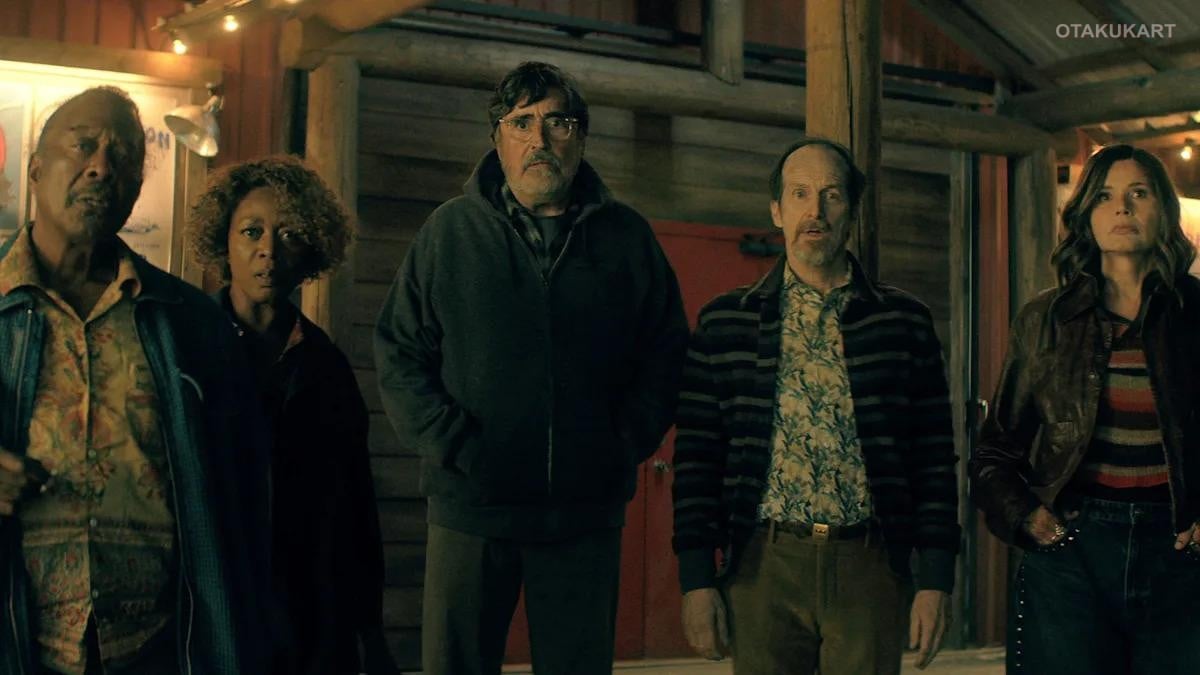
“Thunder Road” Becomes the Emotional Backbone
If “Golden Years” sets the tone, “Thunder Road” becomes the emotional heartbeat of the series. The song is closely tied to Sam’s memories of his late wife, Lilly, played by Jane Kaczmarek.
Felder revealed that selecting this track was a lengthy process, explaining that the team went through “probably at least 100 ideas” before settling on the iconic Springsteen song. The decision paid off, as “Thunder Road” is woven throughout multiple episodes, creating a consistent emotional thread.
The track appears during key moments, including a memory of Sam dancing with Lilly and a later karaoke performance that underscores his grief. Its most impactful use comes in the finale, where the song accompanies Sam’s final goodbye to Lilly. The lyrics and tone amplify the emotional weight of the scene, making it one of the series’ most memorable moments.
Ending With “Born to Run” and a Message of Renewal
The finale closes with another Springsteen classic, “Born to Run,” which shifts the tone from loss to renewal. As the surviving characters begin to rebuild their lives, the song plays over scenes of reconciliation and hope.
Felder explained the reasoning behind the choice in her Tudum interview, noting that the song represents growth and forward momentum. She highlighted how music can take on new meaning when paired with visual storytelling, transforming its original message into something uniquely suited to the narrative.
In The Boroughs, “Born to Run” symbolizes the idea that life does not stop after trauma or loss. Instead, the characters continue moving forward, embracing new possibilities despite their experiences. This aligns with the show’s broader themes of resilience and reinvention.
The Role of Music in Shaping the Series’ Identity
Felder’s work on The Boroughs builds on her reputation for impactful music supervision, including her contributions to Stranger Things. Her ability to match iconic songs with emotionally significant moments has become a defining element of her style.
For this series, the collaboration with the Duffer Brothers played a key role.
“If Matt and Ross want me for something, I want to show up,”
Felder said in the Tudum interview, highlighting the creative trust behind the project. This partnership allowed for bold choices that enhance both the storytelling and the viewing experience.
Ultimately, the soundtrack of The Boroughs does more than complement the visuals. It deepens the audience’s connection to the characters, turning familiar songs into powerful narrative devices. By blending classic rock with modern storytelling, the series creates a unique identity that resonates beyond its supernatural premise.