

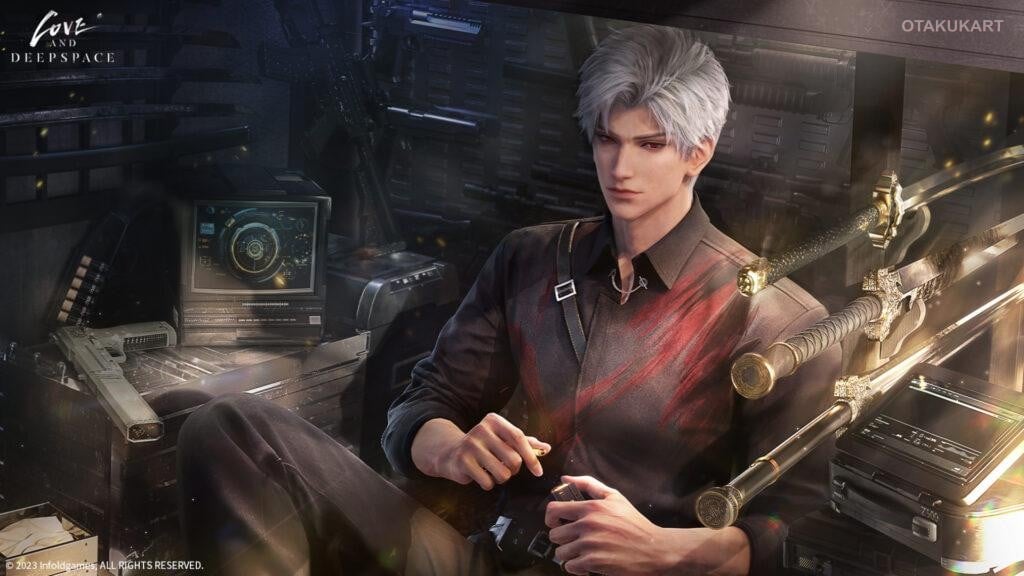
A new study has examined why players develop emotional attachments to fictional romantic interests in otome games, finding that feeling close to these characters is strongly associated with a more enjoyable gaming experience. However, U.S. players did not necessarily need to believe their fictional love interests returned their feelings to enjoy the experience.
Published in Games and Culture, the research was conducted by Elena Yifei Zhao and Nicholas D. Bowman. Their paper, titled He’s Just a Pixel Guy: How U.S. Players Experience Otome Games, examines how American players experience romance-focused games compared with players in other cultural settings. The findings offer insight into the appeal of games such as Love and Deepspace.
Emotional Connection Remains Important to Otome Games
The researchers surveyed 131 U.S. otome game players to examine the relationship between romantic closeness, perceived reciprocity, and entertainment. Otome games typically center on developing romantic relationships with male characters through storylines, dialogue, and interactive features.
The results showed that romantic closeness was positively associated with both enjoyment and appreciation. Players who reported stronger emotional connections with their in-game love interests also tended to report greater enjoyment and a stronger sense that their gaming experience was meaningful.
The researchers found a correlation of 0.47 between romantic closeness and enjoyment, while the relationship between closeness and appreciation was stronger at 0.71. These findings suggest that emotional engagement can contribute to both the immediate pleasure of playing and a deeper appreciation of the experience.
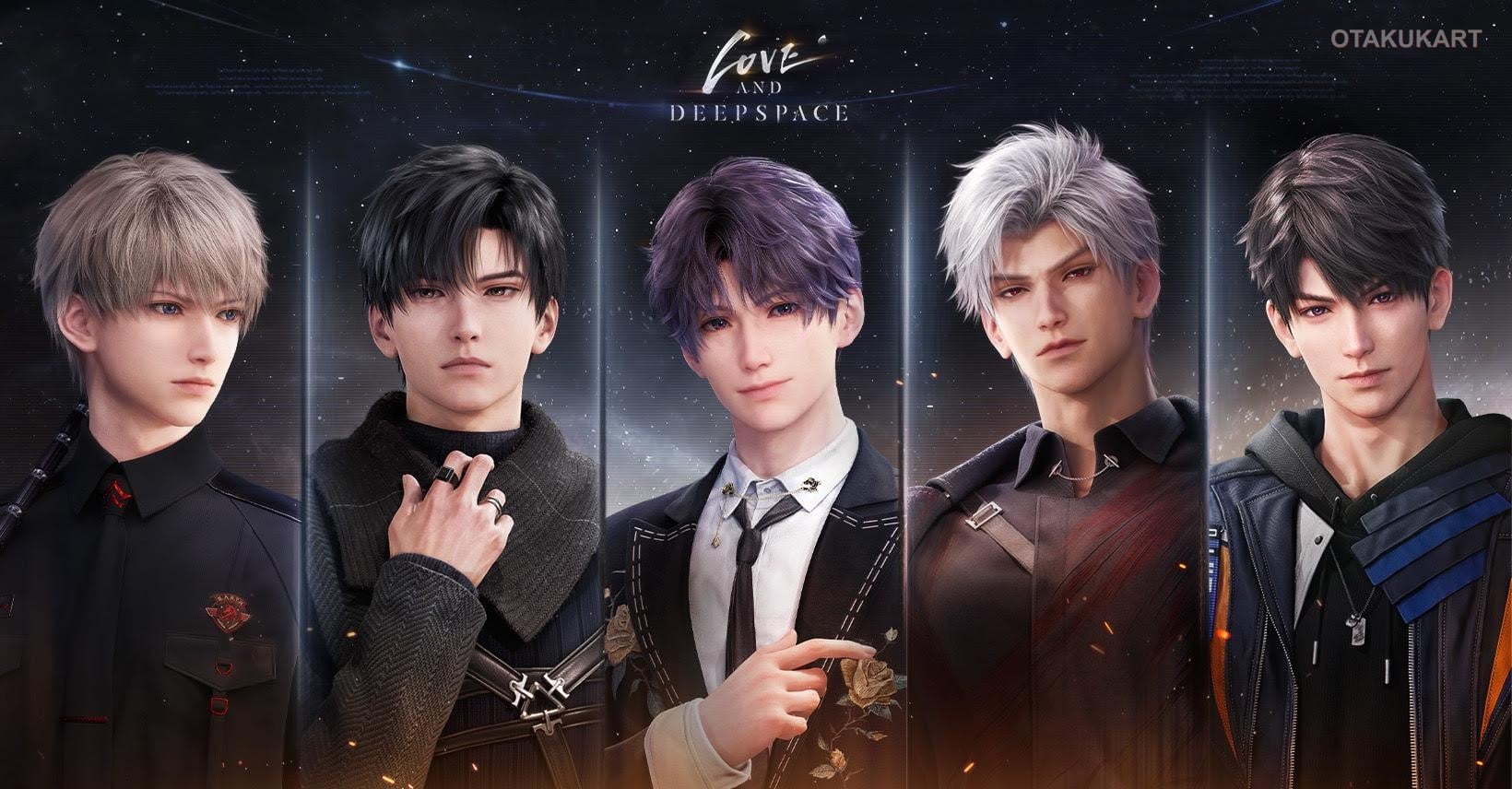
U.S. Players Do Not Always Need Their Feelings Reciprocated
One of the study’s most notable findings concerned perceived reciprocity, or whether players felt their fictional romantic interests returned their affection.
Unlike findings from previous research involving Chinese players, perceived reciprocity was not significantly associated with romantic closeness, enjoyment, or appreciation among the U.S. participants. This does not mean American players were incapable of forming emotional attachments. Instead, the results suggest that feeling romantically close to a character and believing that character reciprocates those feelings are not necessarily connected in the same way for every player.
The researchers proposed that cultural stigma surrounding otome games in the United States could influence how players describe their experiences. They also suggested that some players view the protagonist as a separate character rather than treating the character’s romance as their own.
One participant captured this distinction by explaining, “MC has a relationship with him, not me.” For players with this perspective, following a fictional romance can be enjoyable without imagining themselves as the protagonist.
The study’s findings should be interpreted within its limits. The research focused on a sample of 131 U.S. players, and its results do not establish that cultural differences alone explain the contrasting experiences.
Nevertheless, the research highlights an important distinction in how audiences engage with romantic storytelling in games. Emotional investment in fictional characters may enhance the experience even when players do not personally identify with the protagonist or expect their virtual partners to reciprocate their feelings.


