Stranger Things Season 5 has not only delivered a nostalgic, action-packed finale but has also rewritten the streaming rules, officially ending Netflix’s worst trend of declining viewer engagement and franchise fatigue.
With its explosive debut and emotional storytelling, the show has once again proven that legacy series can thrive if handled with care and creativity.
The premiere of Stranger Things Season 5 shattered records, amassing 59.6 million views in its first five days on Netflix. This milestone marks the largest debut ever for an English-language series on the platform, surpassing even the highly successful Squid Game and Wednesday seasons.
The increase in viewership is largely due to the show returning to its roots, centering on the original cast and a tightly woven narrative that has drawn in both longtime fans and new audiences.
The show’s release strategy, dropping the first four episodes together, allowed viewers to binge a cinematic experience, leading to widespread social media buzz and trending topics across the globe.
Fans praised the season for its emotional depth, visual effects, and epic action sequences, with critics highlighting the return to the show’s original charm.
Record-Breaking Debut and Viewer Impact
The Duffer Brothers’ decision to center the story around the core group of friends, rather than introducing new characters or subplots, resonated with viewers who wanted closure and authenticity.
Also Read: Animator Calls for Civility as One-Punch Man Staff Face Online Harassment
However, the record-breaking numbers also sparked conversations about the sustainability of such success. The series quickly lost its number one spot to a controversial documentary, indicating the volatility of streaming trends and the challenges of maintaining viewer interest in a crowded market.
The rapid rise and fall of Stranger Things on the charts underscores the challenges legacy franchises face when trying to remain relevant as the entertainment industry continues to evolve.
Controversy and Fan Reactions
Despite its success, Stranger Things Season 5 has not been without controversy. The show faced a boycott call from some viewers due to social media posts linked to one of its cast members, Noah Schnapp, though the claims were later disputed and largely dismissed by the broader fanbase.
The controversy briefly overshadowed the show’s achievements, but the overwhelming positive reception from fans and critics ultimately prevailed.
Additionally, the release of a controversial docuseries about Sean “Diddy” Combs overshadowed Stranger Things on the Netflix charts, leading to debates about the platform’s algorithm and content prioritization.

The docuseries, which quickly rose to the top of Netflix’s rankings, sparked conversations about the impact of real-world events on streaming trends and the influence of controversial content on viewer behavior.
Fan reactions have been mixed, with some hailing the season as a monumental achievement and others expressing concerns about franchise fatigue and the pressure to maintain such high standards.
Social media platforms were flooded with fan theories, conspiracy discussions, and emotional reactions to the finale, reflecting the deep connection viewers have with the show’s characters and storylines.
Critics noted that the season’s ability to balance horror, humor, and heart is what sets it apart from other legacy series struggling to maintain relevance.
What’s Next for Netflix and Legacy Series
Stranger Things Season 5’s success signals a turning point for Netflix and other streaming platforms. The show’s record-breaking viewership demonstrates that well-crafted storytelling and a focus on original characters can overcome the pitfalls of franchise fatigue and declining engagement.
As streaming continues to evolve, the industry will likely see more legacy series attempting to replicate the Stranger Things formula, with mixed results.
Netflix’s ability to keep all four previous seasons of Stranger Things in the Top 10 simultaneously is a testament to the show’s enduring appeal and the platform’s effective marketing strategies.
However, the rapid rise and fall of Stranger Things on the charts also highlight the challenges of sustaining viewer interest in an oversaturated market.
Moving forward, platforms may need to invest more in original content and innovative release strategies to maintain audience engagement and avoid the fate of other franchises that have struggled to recapture their former glory.
Stranger Things Season 5 has not only ended Netflix’s worst trend of declining viewer engagement but has also set a new benchmark for legacy series. Its record-breaking debut, emotional storytelling, and ability to balance controversy and fan expectations have cemented its place in streaming history.
As the industry looks to the future, the lessons learned from Stranger Things will undoubtedly shape the next generation of television and streaming content.
Also Read: Fans Compare One-Punch Man’s New Episodes to a “Slideshow,” Fear Big Fights Will Suffer
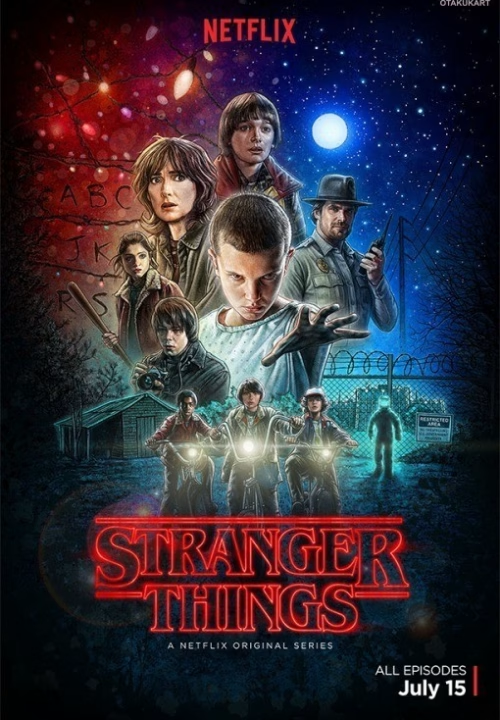
| Premiere Date | July 15, 2016 |
|---|---|
| Network / Service | Netflix |
| Creator | Matt Duffer, Ross Duffer |