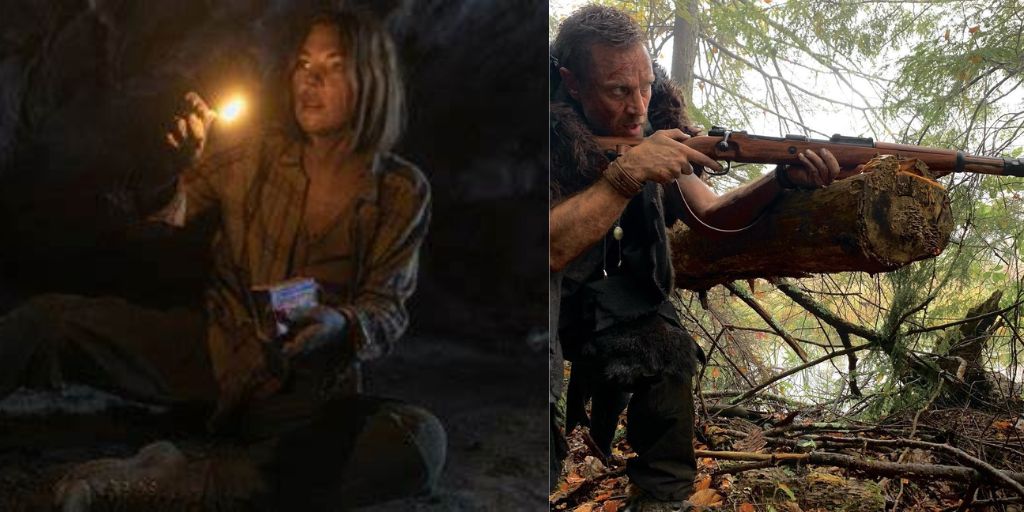
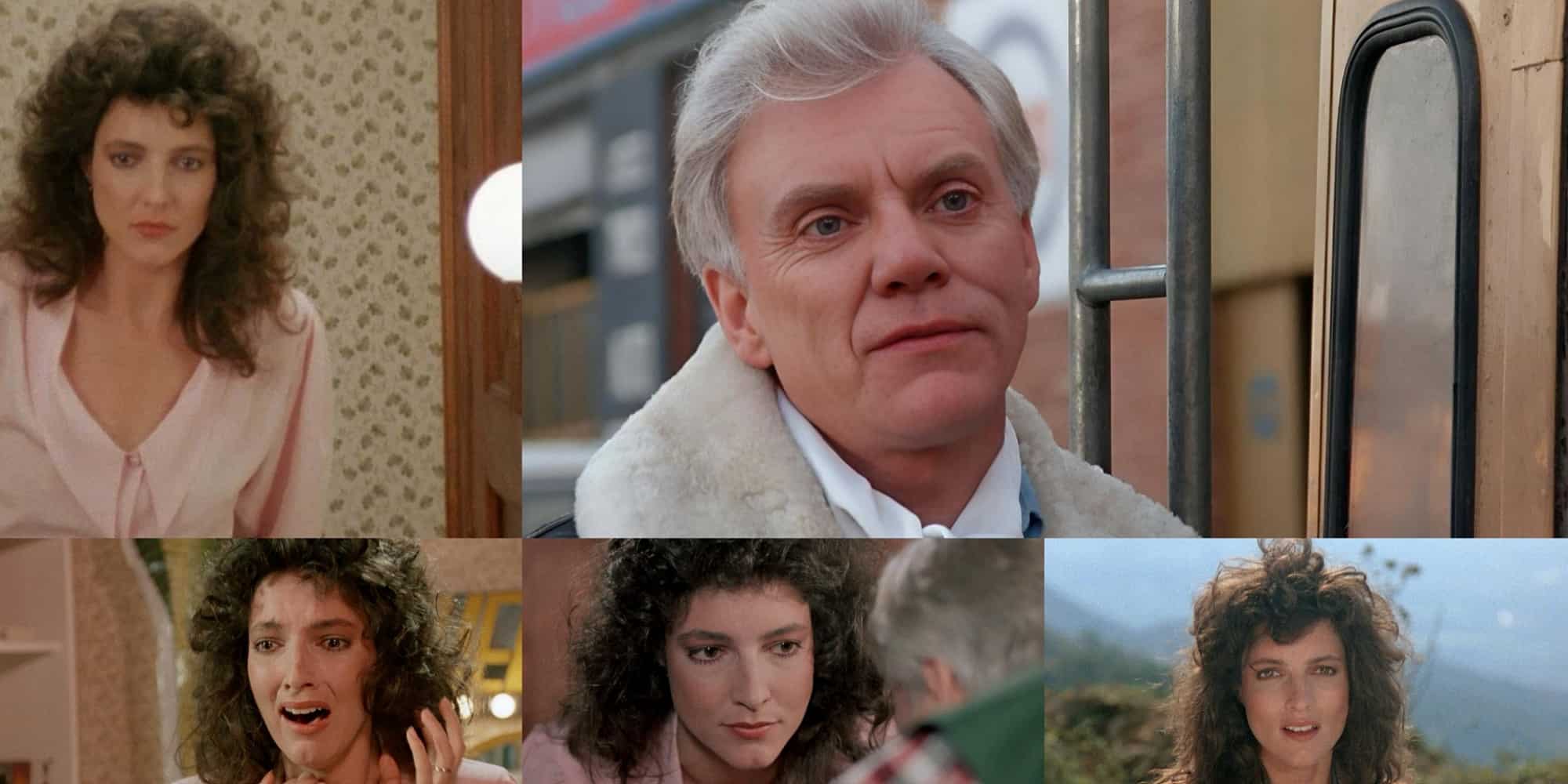
Stephen King’s 1978 novel “The Stand” stands among his most ambitious and beloved. The sweeping story, pitting survivors of a pandemic against the charisma of Randall Flagg in a post-apocalyptic America, has challenged screen adaptations for decades.
With news that Paramount and director Doug Liman are now helming a new film version, anticipation and skepticism build among longtime fans and those behind earlier versions.
The very first adaptation arrived as a 1994 miniseries penned by King himself. It captured TV audiences and earned multiple Emmy nominations but inevitably had to compress the book’s scope.
In 2020, after years of aborted feature attempts, CBS Studios released a nine-episode miniseries with Josh Boone and Benjamin Cavell at the helm. This version received a divided response: fans praised its faithfulness to King’s moral struggles, but some found the non-linear narrative and certain character portrayals lacking.
As the third adaptation headlines industry news, Boone’s recent comments frame the new project with both curiosity and caution.
Also read: How to Train Your Dragon 2’s Live-Action Sequel: Why Hiccup’s New Concepts Have Fans on Edge
He recalls only directing the first and last episodes of the prior series, stressing his “dream experience” working with King, especially when convincing the author to craft a unique coda for the show’s ending.
His perspective reflects both pride and a sense that the tale’s size makes any adaptation extraordinarily challenging, stoking speculation about whether Liman’s film can finally reconcile the book’s ambition with cinematic constraints.
The Creative Tug-of-War: What Makes King’s Plague Epic So Difficult?
Translating King’s novels has never been simple. Yet “The Stand” presents particular obstacles, often cited by actors, showrunners, and fans. It spans continents, conjures biblical good-versus-evil themes, and juggles vast casts of memorable characters plus the chilling villainy of Randall Flagg.
The 1994 series remains beloved for its ensemble cast and earnest storytelling, but even its fans concede it left major characters and arcs trimmed for time. The 2020 adaptation benefited from a streaming-era runtime, updating themes while battling to satisfy both longtime readers and newcomers.
King himself contributed new material to enrich the finale, making that iteration especially unique among his adaptations. Still, some viewers critiqued the non-linear approach, while the sheer scope left even nine hours barely enough for the novel’s complexities.
Director Josh Boone’s recent interview revealed both admiration and a touch of envy for the latest project’s potential to try again but also underlined why it remains such a “mountain” for any filmmaker.

He frequently highlights the “dream experience” of collaborating directly with King, who trusted Boone with new narrative territory and remained hands-on in key creative moments.
Boone’s praise for the author’s willingness to build and revise, especially the much-discussed new ending, shows just how involved King remains in shaping his stories for each medium.
The constant return to “The Stand,” including comic adaptations celebrated for staying close to the novel’s roots, shows both the story’s power and the resilience of creators eager to reimagine it. Whether Doug Liman’s new film can capture the intricacies that both inspire and frustrate previous adapters is the central question.
Eyes on the New Film: Can Doug Liman and Paramount Break the Curse?
As the Doug Liman-led film gathers momentum, King’s fans hope for a “definitive” version that balances scope, horror, and character depth. Social media is abuzz with cautious optimism.
Some, referencing recent posts and Reddit threads, argue that “The Stand” needs at least 8–10 well-paced hours to do justice to King’s sprawling vision, calling out the risk that any single movie might again fall short.
Yet the willingness to take creative risks, especially as seen in King’s own statements about previous adaptations, fuels a measured sense of hope.
King’s hands-on role, his ability to inspire new material late in production, and his partnership with directors like Boone have kept the heart of these adaptations alive, even amid criticism.
Looking beyond past controversy, the new adaptation’s greatest challenge may be audience expectations sharpened across decades of King adaptations, ranging from triumphs to disappointments.
Successes like “It” and the failings of “The Dark Tower” (which struggled to distill King’s mythology into two hours) frame “The Stand”’s third outing as a watershed test.
As Hollywood waits, the conversation highlights larger truths: no two King adaptations are the same, the author’s involvement remains critical, and stories with this much personal and cultural resonance always draw both risk and reward.
Whether Liman’s film rises to the occasion, it will stand not only as a test of King’s durability but also of the evolving ways stories are retold for new generations.
Also read: Fast X: Part 2’s Grand Sendoff Why Vin Diesel and Michelle Rodriguez Promise an Unforgettable Finale