
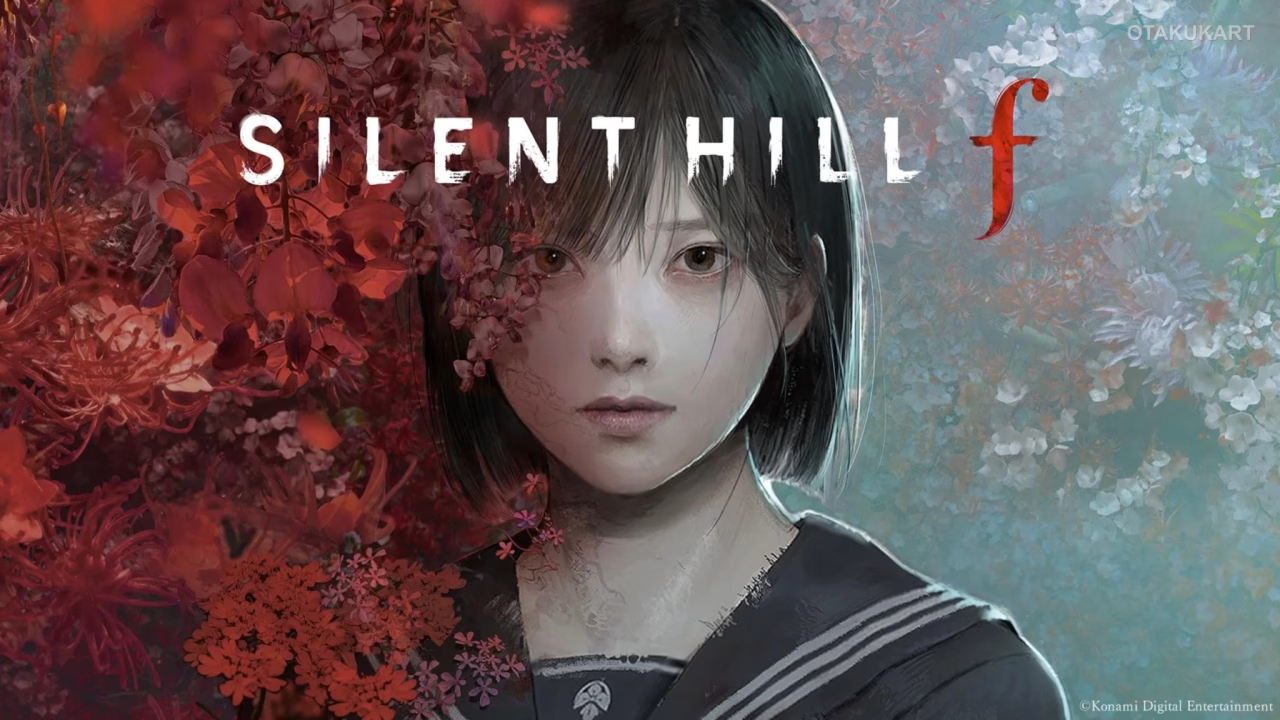
Konami’s recent revival of the Silent Hill franchise wasn’t built on nostalgia alone. According to series producer Motoi Okamoto, the company believed relying solely on remakes would not be enough to secure the franchise’s future. Instead, Konami deliberately paired remakes with entirely new experiences, a strategy that has already produced Silent Hill 2 Remake, Silent Hill f, and the upcoming Silent Hill: Townfall.
Speaking during a presentation at CEDEC 2026, Okamoto explained that expanding the franchise beyond familiar settings and stories was necessary if Konami hoped to attract both longtime fans and a new generation of horror players.
Konami Wanted More Than a Traditional Remake Strategy
During the CEDEC 2026 lecture, Okamoto said the development team wanted to avoid what he described as a “wait-and-see remake”—a project created simply to measure whether audiences still cared about the series.
He explained:
“At best, only about half of the original users will return with a remake.”
Okamoto argued that if Konami wanted to grow the franchise rather than simply revisit its past, it needed fresh titles alongside remakes. That philosophy is why Silent Hill f and Silent Hill: Townfall were announced together with the Silent Hill 2 Remake, signaling a broader revival rather than a single nostalgic release.
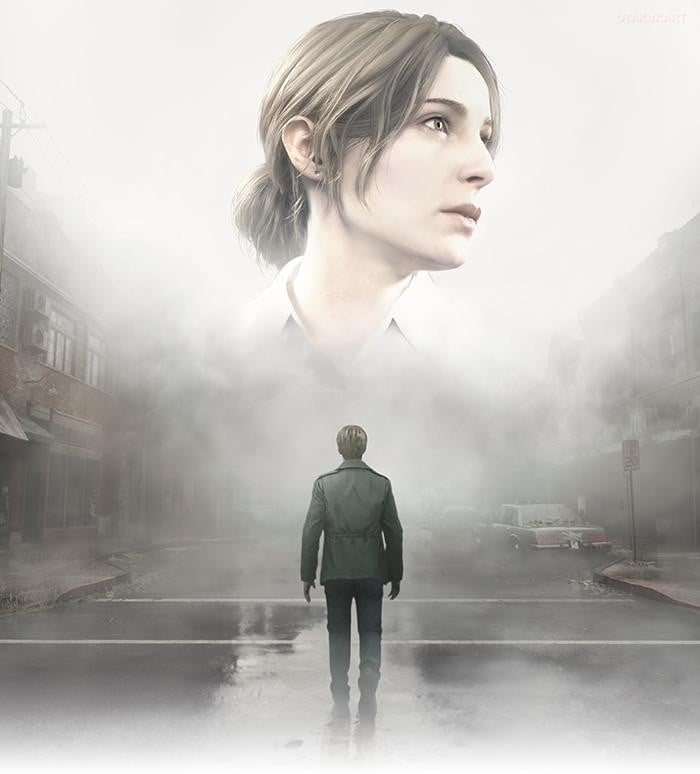
Although the new games explore different locations, characters, and time periods, Okamoto emphasized that Konami first defined what makes Silent Hill unique before expanding the series.
According to the producer, the franchise’s core identity is psychological horror, where protagonists confront fear, guilt, trauma, and personal conflict within an “inner world.” The monsters and environments are symbolic manifestations of those emotions, making the journey itself part of the characters’ psychological struggle.
Because Silent Hill 2 best represented those defining themes, Konami chose its remake as the foundation for the franchise’s modern revival before introducing original entries like Silent Hill f.
Okamoto also credited Konami’s external development partners for successfully modernizing the franchise while respecting its legacy. Studios including Bloober Team, NeoBards Entertainment, Screen Burn Interactive, and publisher Annapurna Interactive have all contributed to the current wave of Silent Hill projects.
The strategy mirrors Capcom’s successful approach with Resident Evil, balancing faithful remakes with brand-new stories instead of relying exclusively on older titles.
With Silent Hill f introducing an entirely new setting in 1960s Japan and Silent Hill: Townfall expanding the universe further, Konami appears committed to evolving the franchise while preserving the psychological horror elements that defined it for decades.