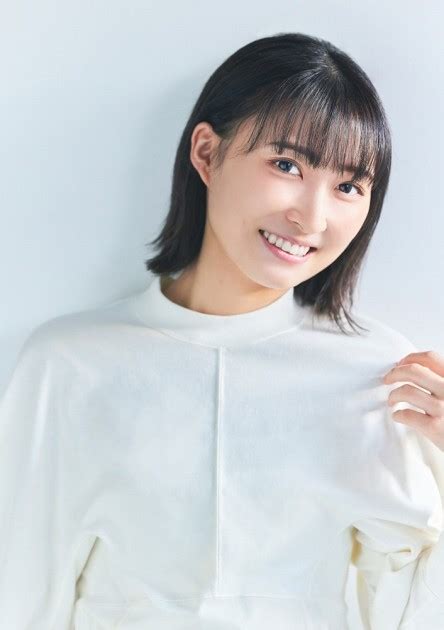
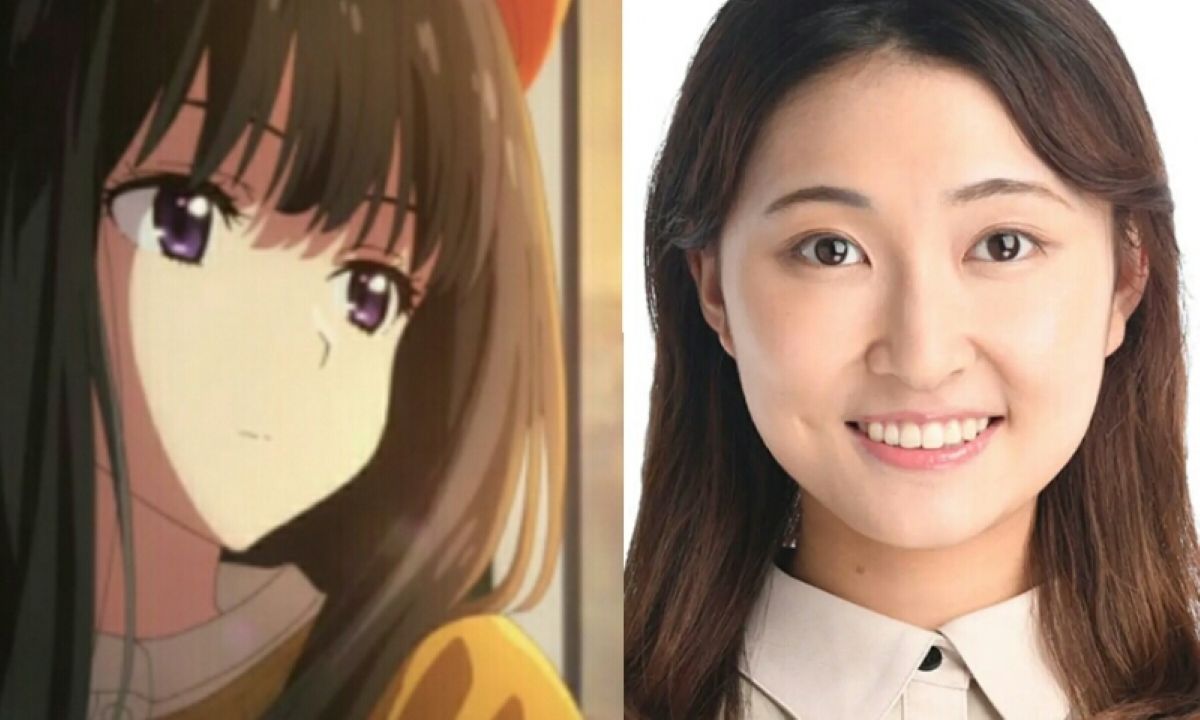
In just a few years, Shion Wakayama has established herself as one of the most recognizable emerging talents in anime voice acting. Her performances as Takina Inoue in Lycoris Recoil and Momo Ayase in DAN DA DAN have positioned her at the forefront of a new generation of leading heroines.
What many may not realize is that her career began long before she stepped into a recording booth. Having worked in television from a young age, Wakayama gradually transitioned into voice acting, where she now continues to refine her craft.
Otakukart spoke with Wakayama about her path from child performer to rising seiyuu, the artists who shaped her perspective, and her appreciation for the fans supporting her growth.
Alberto: You began acting in television dramas at a young age. What led you to transition into voice acting?
Shion Wakayama: There wasn’t a single defining moment. I continued auditioning and devoted myself fully to each opportunity I received. Over time, I realized I had entered the world of voice acting. Because I always admired voice actors, being able to pursue this path feels incredibly fortunate.
Alberto: From your perspective, what are the main differences between on-camera acting and voice acting?
Shion Wakayama: I wouldn’t say I have a comprehensive understanding of live-action performance, but the balance of expression and the parts of the body involved are certainly different. In voice acting, our responsibility is limited to the voice, so we rely heavily on the throat and mouth, as well as mental concentration.
We must communicate movement, posture, and spatial awareness purely through sound. Without physical gestures visible to the audience, much more nuance has to be conveyed vocally.
Alberto: Are there performers who have influenced your approach?
Shion Wakayama: Atsuko Tanaka has had a significant impact on me. I enjoy watching foreign dramas dubbed into Japanese, and my interest deepened after seeing the Japanese version of Cold Case, where she voiced the lead character.
I began seeking out more of her performances and eventually found myself aspiring to be like her. However, when I attempted to imitate her style, it felt unnatural. I realized that rather than trying to become someone else, I need to develop my own approach. Even so, she remains someone I deeply respect.
Alberto: As your career expands, are there roles you hope to explore in the future?
Shion Wakayama: I haven’t had the opportunity to portray a truly villainous character, and that is something I would like to attempt. At the same time, I feel I still need more life experience and growth to fully embody such complexity. I hope to broaden my range and mature both personally and professionally.
Alberto: You are involved in the AVIOT collaboration with GRIDMAN and also host an AVIOT radio program. How do those experiences differ?
Shion Wakayama: Through the AVIOT and GRIDMAN collaboration, I’m able to share enthusiasm not only for GRIDMAN but also for the Oneverse and Twoverse collaboration models. Feeling the fans’ excitement during that process has been very rewarding. On my AVIOT radio show, I speak more openly about aspects of myself that I haven’t previously discussed. I hope listeners will be interested in discovering those different sides of me.
Alberto: You were recently voted No. 2 Female Seiyuu of the Year in our annual awards. Do you have a message for your supporters?
Shion Wakayama: I am sincerely grateful for the continued support. Being selected for such a ranking still feels unreal to me. I will continue working hard to meet everyone’s expectations and hope that my performances can bring even a small amount of happiness to those who listen.
We thank Shion Wakayama for sharing her time and insights. We also extend our appreciation to AVIOT for coordinating this interview. Readers can explore our previous interviews with Hina Youmiya and Aoi Yuki, also arranged with AVIOT, as well as our review of the AVIOT TE-V1R-HOP earbuds.