More than 30 years after the murder of Rachel Nickell surprised the United Kingdom, her family is revisiting the tragedy through two new Netflix productions that aim to tell the story from a deeply personal perspective. The three-part drama The Witness and the accompanying documentary The Murder of Rachel Nickell explore not only the crime itself but also its long-term emotional consequences on those closest to her.
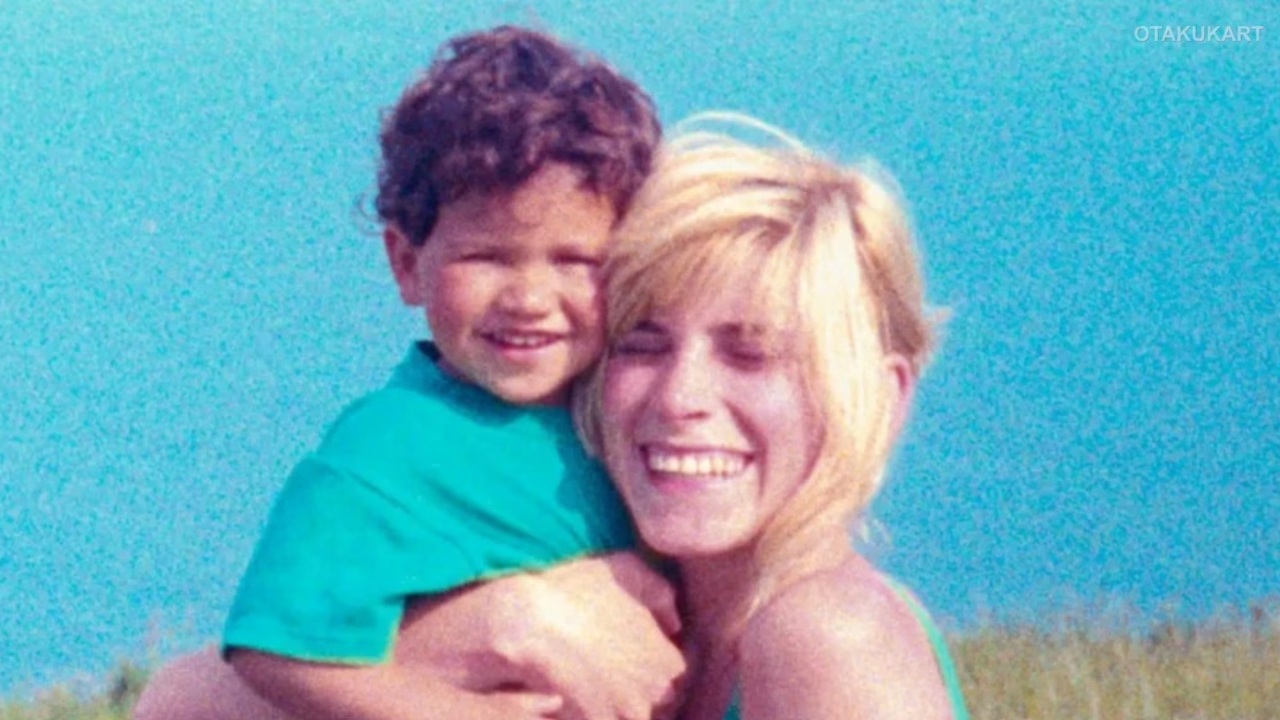
Nickell, 23, was brutally killed on Wimbledon Common in London in July 1992 while walking with her two-year-old son, Alex, who became the only witness to the attack. Decades later, Alex and his father André Hanscombe have chosen to participate in the projects to share their experience and encourage broader conversations about trauma, justice, and the failures of the investigation.
A Child Witness at the Center of a National Tragedy
One of the most haunting aspects of the case remains the presence of young Alex at the scene. André described the situation as uniquely difficult for investigators, explaining that his son was the only person who truly knew what had happened.
“The truth was that Alex was the only one who was there. He was attacked as well. He was the only one who knew what had happened,”
André said. Despite his age, Alex’s recollections became a crucial part of the early investigation, as police struggled with a lack of evidence.
Revisiting those moments for the new productions proved emotionally challenging. André recalled scenes where he tried to piece together what his son had witnessed, describing them as “brutal,” yet necessary under the circumstances. Even now, both father and son say they have no regrets about how they handled that period, believing it helped provide critical information at the time.
Why They Chose to Tell Their Story Now
For Alex, now in his mid-30s, participating in the documentary and drama was about reclaiming his voice and sharing what he describes as his “testimony.” He emphasized that the decision was not just about revisiting the past, but about helping others understand the long-term impact of such trauma.
“There is a cost for everything,”
Alex said, reflecting on the difficult balance his father faced between protecting him and aiding the investigation. He acknowledged that while the process may have affected his emotional well-being, it also served a greater purpose in trying to prevent similar tragedies.
André echoed this sentiment, explaining that their involvement was motivated by a desire to spark meaningful discussion. He said the projects go beyond simply recounting events, aiming instead to highlight the lasting consequences of violence and the complexities faced by victims’ families.
Investigation Failures and Missed Opportunities
The case also remains a stark example of investigative failure. Police initially focused on a local man, Colin Stagg, who was later cleared of any involvement. The real perpetrator, Robert Napper, was not identified until more than a decade later, by which time he had committed additional violent crimes.
Napper is believed to have attacked numerous women before being caught, raising serious questions about missed opportunities to stop him earlier. Alex and André have both been critical of how the investigation was handled, pointing to systemic issues that prolonged justice.
“The police have never acknowledged the extent of their failings,”
Alex said, highlighting the broader impact not only on their family but also on other victims. Their comments underscore why the new productions place significant emphasis on examining the investigative process alongside the personal story.
Living With Loss and Finding a Way Forward
Beyond the crime and its aftermath, the Netflix projects also explore how Alex and André rebuilt their lives in the years that followed. After facing intense media scrutiny and even racial abuse, the family eventually left the UK in search of privacy, living in France and Spain.
Despite the challenges, both father and son say their bond has endured. André spoke about the importance of love and resilience, saying,
“We always had love, and we always had hope as a way through.”
Over time, they also found comfort in faith, which helped them process their loss.
For André, Rachel’s presence remains a part of their daily lives.
“When I look at Alex I see his mother,”
he said, describing her as someone full of compassion and strength. Alex, in turn, reflected on the sacrifices made by both his parents, calling it a “true demonstration of love.”