The creator of Pardon the Intrusion, I’m Home!, watomura, has shared a thoughtful perspective on creator privacy and the pressures that can come with making work public. In a recent interview, the mangaka emphasized that artists should have the freedom to decide how they publish their work based on what allows them to continue creating comfortably.
Speaking with Anime Trending, watomura discussed the relationship between creators and audiences while reflecting on the manga’s unusual premise, its characters and its transition into an anime series.
The comments are particularly relevant to the story itself, as Pardon the Intrusion, I’m Home! explores the unusual relationship between a manga fan and the creator whose work she admires.
watomura Believes Creators Should Have Control Over How They Publish
When asked about creators who hesitate to share their work because they fear exposing vulnerable parts of themselves, watomura stressed that there is no single correct way to approach publishing.
“There are so many options for how you release your work,”
the mangaka told Anime Trending, explaining that creators should consider choosing a method “that does not hurt you” and allows them to keep working “with peace of mind.”
watomura’s comments also address a recurring theme in Pardon the Intrusion, I’m Home! involving the boundaries between creators and fans. In the manga, the worlds of a creator and reader unexpectedly collide because they happen to become neighbors.
The situation gives the story an opportunity to examine how much of a creator’s personal identity should be exposed to an audience. According to watomura, keeping that separation is not inherently wrong.
“In this series, the creator and the reader end up directly connected simply because they happen to be neighbors,”
watomura explained. The mangaka added that although the character Satsuki is criticized for keeping his pen name and work private,
“there is nothing wrong with that at all.”
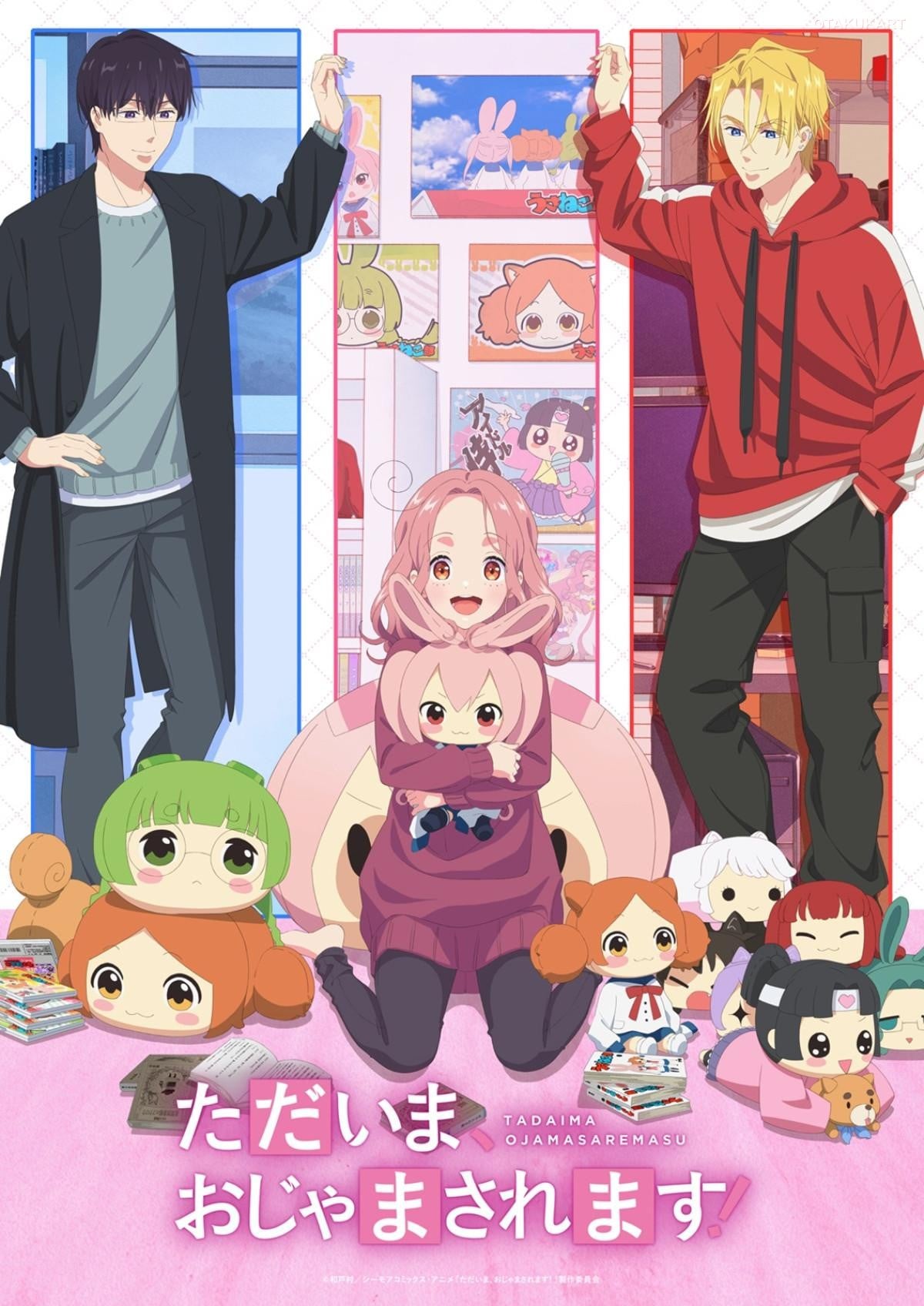
However, watomura does not suggest that creators should avoid sharing their work altogether. The mangaka acknowledged that showing creative work to others can lead to experiences that ultimately help an artist grow.
Not every response will be positive, and criticism can sometimes hurt, but watomura believes those experiences can also “nourish” creativity.
The Manga Explores Relationships That Defy Easy Labels
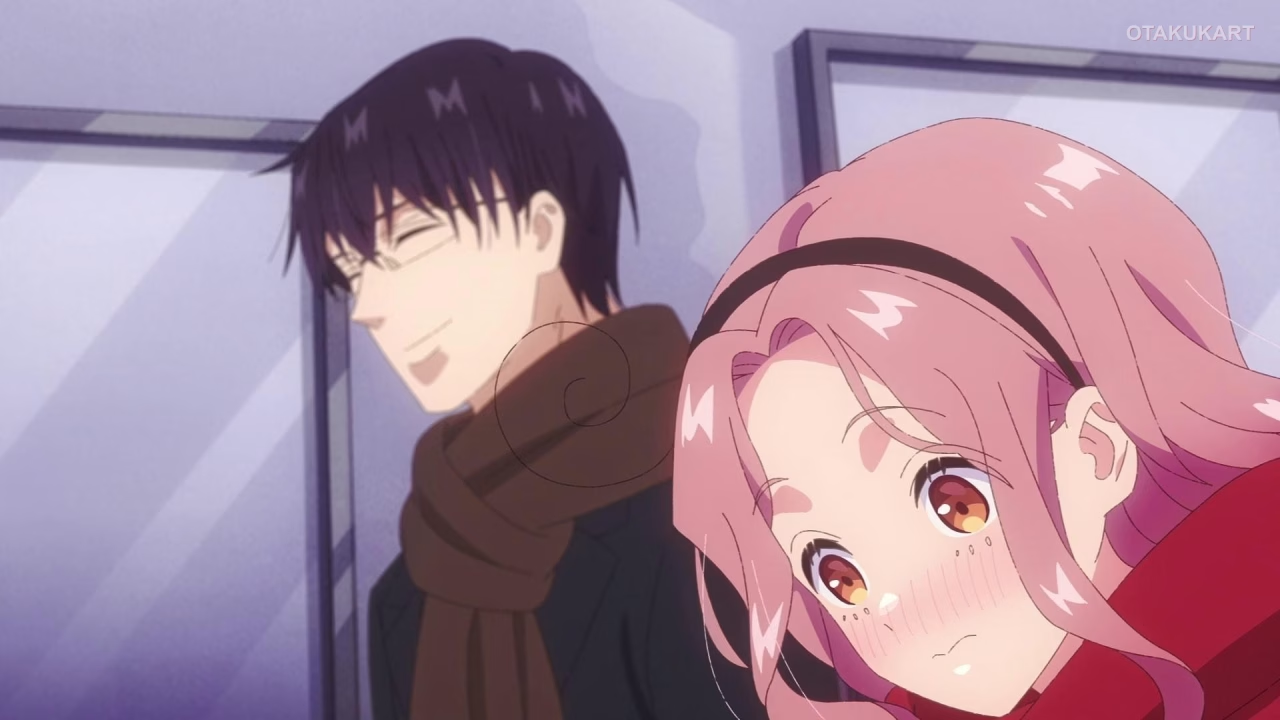
That philosophy fits naturally with one of the central ideas behind Pardon the Intrusion, I’m Home! The series follows Rinko, a 24-year-old office worker whose life changes after her apartment becomes connected to those of her neighbors.
Rinko eventually lives alongside Usada, the author of her favorite manga, and Satsuki, another neighbor who becomes her fake boyfriend. The resulting relationship creates a romantic triangle, but watomura has deliberately avoided limiting the characters to conventional definitions.
“We have all sorts of names for human relationships — neighbors, friends, lovers, family,”
watomura said. The creator explained that relationships which “spill a little outside those frames” are particularly interesting.
Rather than immediately defining every connection, watomura wants to explore periods where people simply value being together. This approach is especially important to the dynamic shared by Rinko, Satsuki and Usada.
The mangaka also believes feelings can change over time and do not always need to fit neatly into one category. That idea extends to the story’s discussion of love and respect, with watomura clarifying that the Japanese term keiai used in one chapter carries meanings involving both respect and affection.
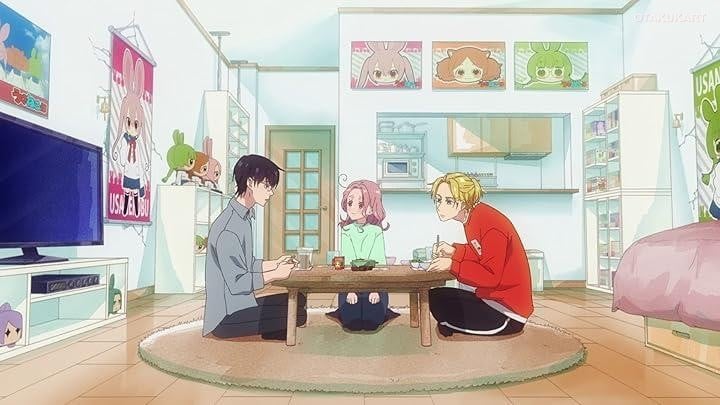
Anime Adaptation Changed How watomura Sees the Series
Pardon the Intrusion, I’m Home! debuted in 2020 and later received an anime adaptation that aired during the Summer 2026 season. For watomura, moving from manga to animation provided an opportunity to see the story interpreted by a much larger creative team.
The mangaka explained that creating manga generally means handling both the story and artwork personally. While that provides considerable creative satisfaction, it also means there are fewer opportunities for outside perspectives to influence the final work.
The anime changed that dynamic.
According to watomura, seeing other creators add new interpretations and forms of expression to the series was a “wonderfully fresh experience.”
The creator also discussed the manga’s digital production process, explaining that a print-style version is produced before being restructured for vertical scrolling. This allows watomura to experiment with pacing while retaining the rhythm of the original page-based version.