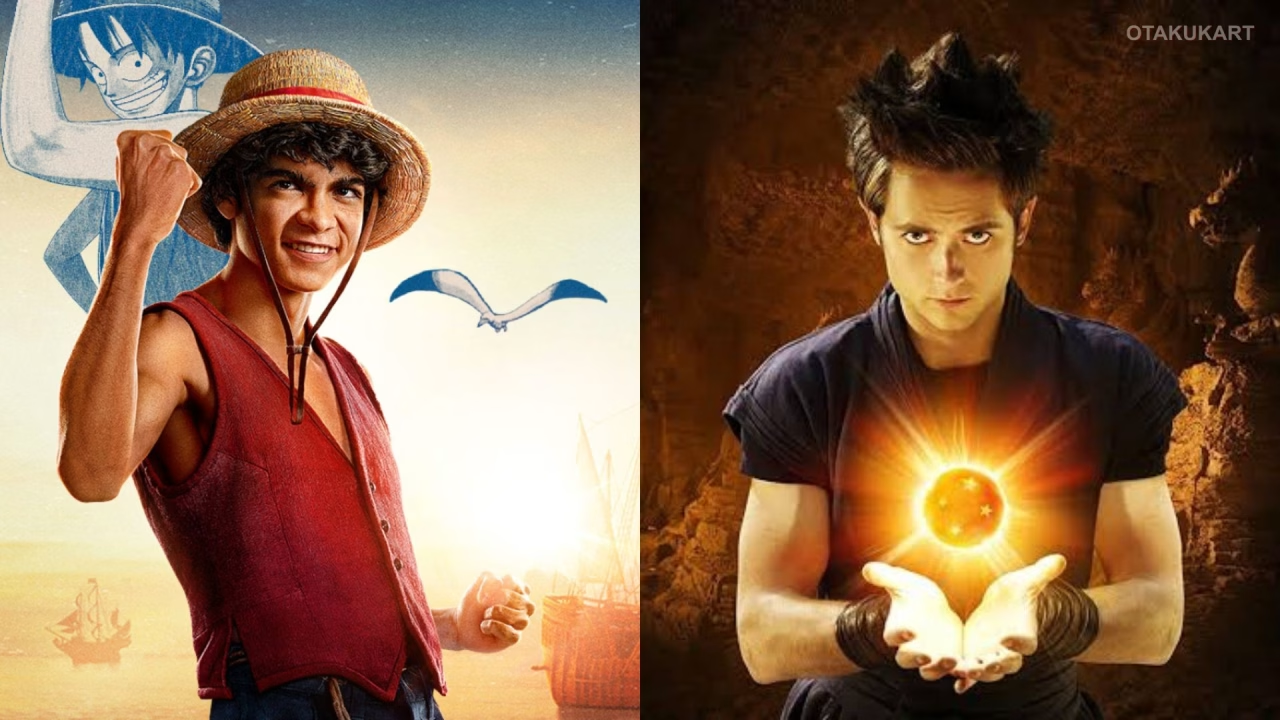
A new live-action adaptation of Dragon Ball could have a better chance of succeeding if it follows the approach taken by Netflix’s One Piece. Although the 2009 film Dragonball Evolution damaged the franchise’s reputation among many fans, its failure does not necessarily mean Goku’s story cannot work in live action. Instead, the success of other anime adaptations suggests that the creative team’s understanding of the original material is crucial.
Netflix’s One Piece demonstrated that a live-action series can translate exaggerated characters, unusual abilities, and fantastical settings into a different medium without abandoning the qualities that made the original popular. A similar approach could give Dragon Ball another opportunity to reach longtime fans and new viewers.
Why Dragonball Evolution Failed to Capture Goku
Released in 2009, Dragonball Evolution took substantial liberties with Akira Toriyama’s original manga and its anime adaptation. Its portrayal of Goku moved away from the character’s cheerful personality, innocence, and humorous approach to life, leaving a protagonist who felt noticeably different from the beloved Saiyan.
The film also struggled to reproduce the distinctive balance between comedy, adventure, and increasingly powerful battles that defines Dragon Ball. These elements are central to the franchise, and changing them too extensively risks leaving viewers with a story that shares the original’s name but lacks its identity.
Netflix’s One Piece offered a contrasting example. While the live-action adaptation changed certain events and introduced characters earlier than the anime, those adjustments generally served the story without abandoning its central personalities and themes.
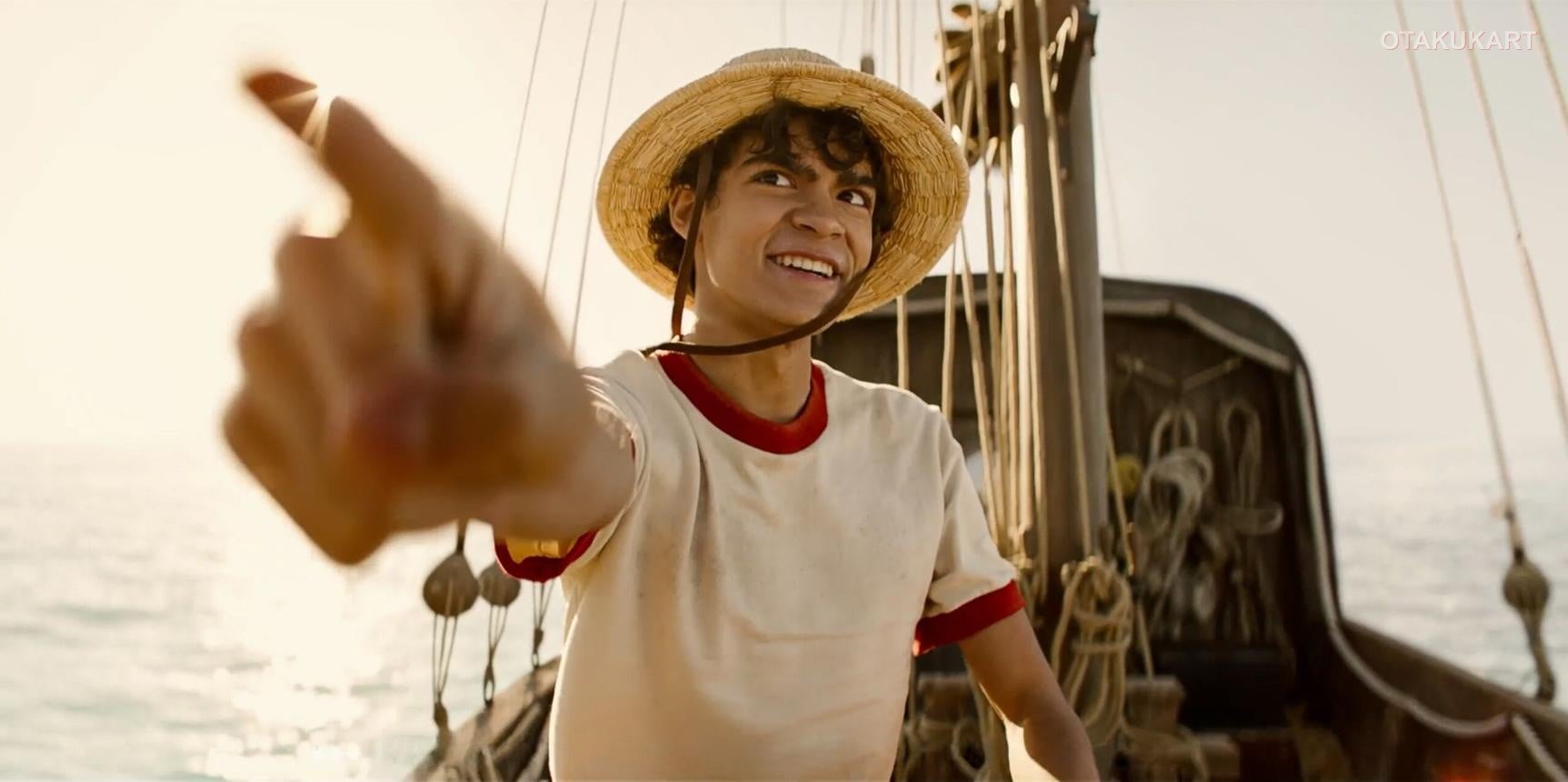
Casting and Creative Direction Would Decide Dragon Ball’s Future
Casting would be particularly important because Goku’s appeal comes from his combination of innocence, boundless enthusiasm, loyalty, and extraordinary fighting ability. An actor who captures only his strength could miss the humour and warmth that distinguish him from more conventional action heroes.
Iñaki Godoy’s portrayal of Luffy offers a useful comparison. The actor captures the pirate captain’s optimism and devotion to his friends, helping translate an exaggerated animated personality into a believable live-action performance. Netflix’s official coverage also highlights creator Eiichiro Oda’s involvement in the adaptation and his confidence in the casting choices.
A future Dragon Ball adaptation would need similar attention to characterisation, alongside convincing martial arts choreography, visual effects, and transformations that feel natural within the story. It would also need to preserve the franchise’s distinctive mixture of comedy, adventure, and spectacular battles instead of treating it as a straightforward superhero story.
A Failed Movie Does Not Have to End the Franchise’s Live-Action Future
Adapting a long-running manga requires changes to pacing, character introductions, and story structure. One Piece demonstrates that these adjustments can work when they preserve the emotional foundations of the source material.
Dragon Ball has a different set of challenges, particularly its increasingly powerful battles and iconic transformations. Still, Dragonball Evolution’s reception does not automatically rule out another attempt. With a knowledgeable creative team, careful casting, and respect for Akira Toriyama’s work, a new adaptation could explore the franchise in live action without repeating the mistakes of its predecessor.
There is no confirmed new Dragon Ball live-action project behind this discussion. For now, the possibility remains a creative proposition inspired by the lessons of One Piece rather than an announced development.
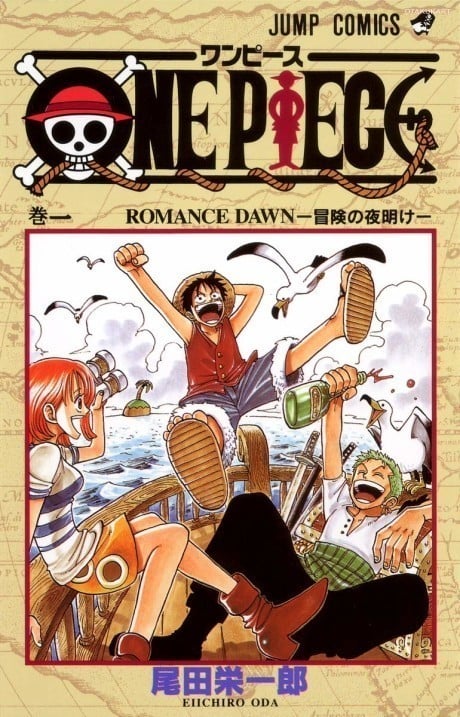
| Started | October 22, 1997 |
|---|---|
| Publisher | Shueisha |
| Author | Eiichiro Oda |