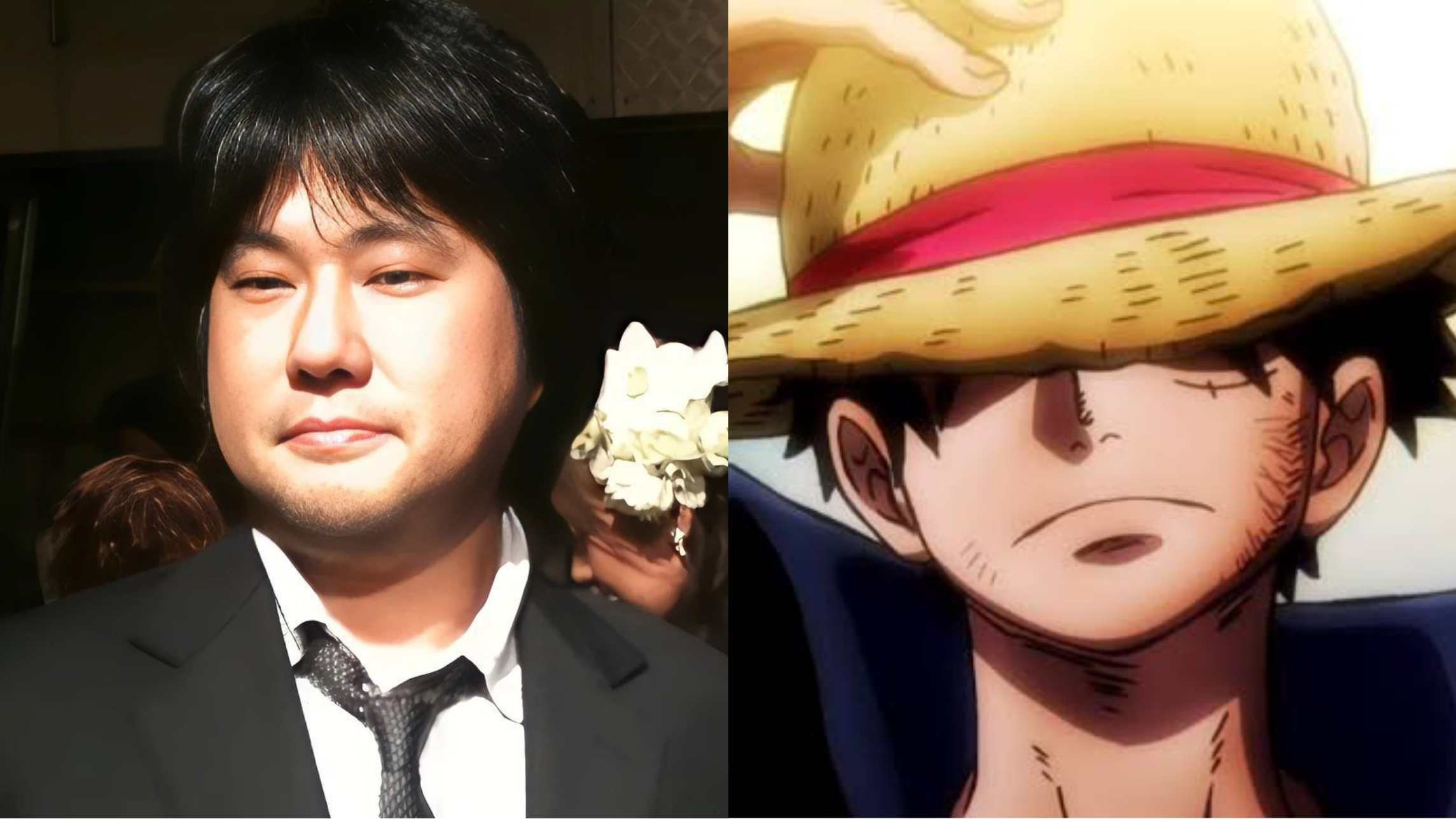
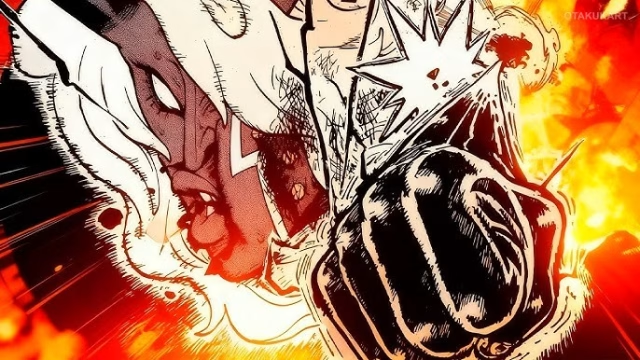
One Piece is one of the most popular and longest-running manga and anime series in the world. Created by Eiichiro Oda, it has entertained fans for more than two decades with its adventurous story, colorful characters, and themes of freedom and friendship.
However, despite its massive success, the series has recently faced criticism from fans over how it handles representation, particularly when it comes to dark-skinned characters. Many believe that Oda has not given enough positive attention to these characters, and instead has leaned into stereotypes that make the problem more noticeable.
The debate around representation in One Piece has been building for years, but it became louder as fans compared the series to other popular works such as Naruto and Bleach. Both of those titles also feature fantasy settings, but they are seen as doing a slightly better job in portraying diverse characters with dignity and individuality.
In contrast, One Piece has been accused of reducing some of its darker-skinned characters to exaggerated designs, unusual speech patterns, or backgrounds that feel less carefully developed compared to its lighter-skinned characters.
One of the key criticisms is that dark-skinned characters often fall into stereotypical roles, either as villains, background figures, or comic relief. For a story as grand and far-reaching as One Piece, fans feel that this imbalance stands out.
With a world so vast, filled with dozens of islands, cultures, and races, the limited variety in meaningful dark-skinned characters feels like a missed opportunity. Many argue that this issue clashes with the main theme of the series, which celebrates individuality, freedom, and unity among different people.

One Piece Faces Backlash Over Dark-Skinned Character Portrayals
Another concern comes from how certain designs rely heavily on exaggerated features. While One Piece is known for Oda’s wild and cartoonish art style, which applies to almost all characters, critics argue that when those exaggerations are applied to darker-skinned characters, they often resemble outdated or harmful imagery.
This is especially sensitive in a global context, since One Piece is not just a Japanese hit but a worldwide cultural phenomenon with millions of fans from diverse backgrounds.
Supporters of Oda often argue that his intention is not to stereotype but to create a wide range of appearances that show the diversity of the world. They point out that the series features giants, fish-men, cyborgs, and all sorts of unique beings, so exaggerated designs are part of the charm.
Also Read: Necronomico Subtitle Blunder Sparks AI Translation Backlash
However, critics respond that intention does not erase impact. What may seem like simple artistic choices to some can feel insulting or dismissive to others who see their identity reflected in those designs.
This controversy has opened up larger discussions about representation in anime and manga as a whole. Historically, Japanese media has been shaped by a culture that is not as racially diverse as other parts of the world, which sometimes leads to blind spots when stories are shared internationally.
As anime has grown into a global industry, these blind spots are being noticed more often. One Piece, as one of the most visible franchises, is naturally at the center of these conversations.
Fans Criticize Eiichiro Oda for Leaning on Harmful Stereotypes
It is important to note that many fans still deeply love the series despite its flaws. The criticism does not come from a place of hate but from a desire to see the series live up to its own message of inclusivity. One Piece has always been about challenging injustice, standing up for those who are different, and bringing together people from all walks of life.
Fans who raise concerns about representation believe that addressing these issues would make the series even stronger, more meaningful, and more respectful to its worldwide audience.
As the series continues toward its final saga, fans wonder if Oda will make changes in how he introduces new characters. Some remain hopeful that he might use the story’s remaining arcs to highlight more diverse characters in positive, respectful ways.

Others are less optimistic, believing that the art style and approach are too deeply rooted to change significantly at this stage. Still, the conversation itself shows how much fans care, not only about the adventure of the Straw Hat Pirates but also about how the world of One Piece reflects the world we live in today.
The debate over representation in One Piece will likely continue, but it also serves as a reminder of the power of storytelling. When a series is as influential and beloved as One Piece, its choices resonate far beyond the page or screen. For many, this is not just about criticism but about holding a beloved story to a higher standard, one that truly matches its themes of freedom, unity, and respect for all.
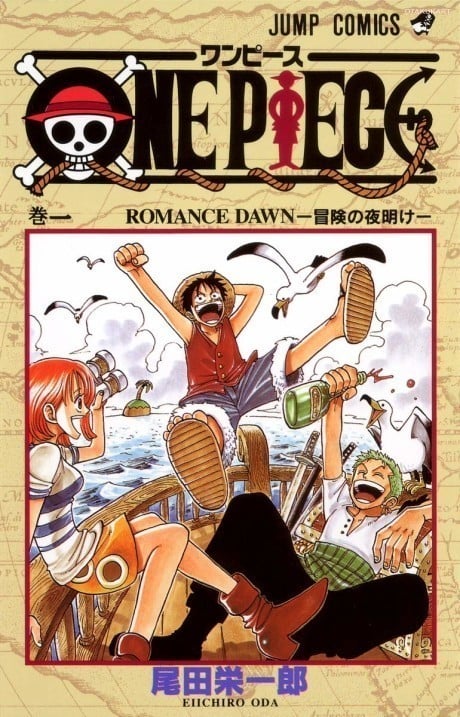
| Started | October 22, 1997 |
|---|---|
| Publisher | Shueisha |
| Author | Eiichiro Oda |