
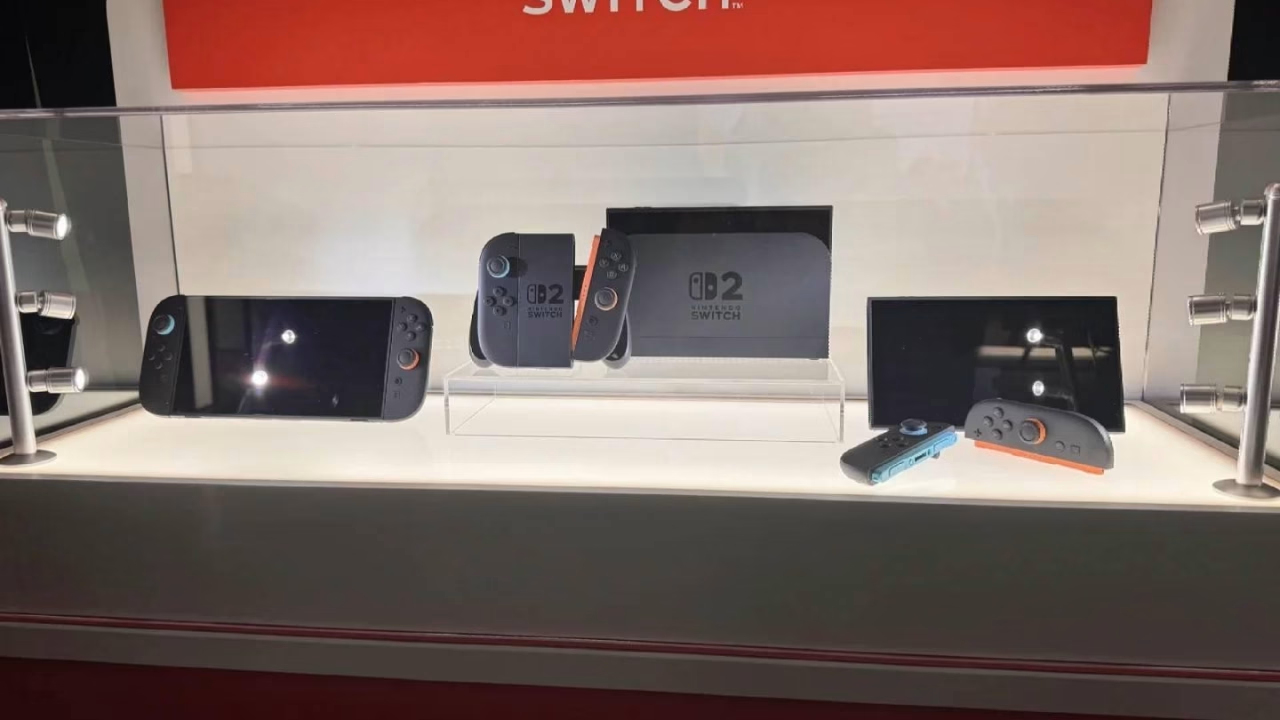
Nintendo is reportedly preparing for a significantly stronger year for its next-generation console than its official guidance suggests. While the company recently projected sales of 16.5 million Switch 2 units for the current fiscal year, internal discussions point to production targets nearing 20 million units.
According to Bloomberg, Nintendo has asked suppliers and manufacturing partners to plan for higher output, indicating confidence in demand that goes beyond its public forecast. Although the production plan is not final and may still change depending on market conditions, the gap between internal targets and official numbers has drawn attention across the industry.
A Familiar Strategy of Underpromising
Nintendo’s conservative public outlook is part of a long-standing pattern. The company has frequently issued modest forecasts at the beginning of a fiscal cycle, only to surpass them later as demand materializes.
Industry analyst Serkan Toto highlighted this approach, stating,
“For them, there is no real downside in lowballing numbers first and then surpassing them later.”
He pointed to the previous fiscal year as a clear example, where Nintendo initially forecast around 15 million units but ultimately sold nearly 20 million.
This strategy not only manages expectations but also gives the company flexibility to adjust projections upward. In the case of the Switch 2, the current production push suggests Nintendo may once again be positioning itself to outperform its own guidance.
Demand Signals Strengthen Early Momentum
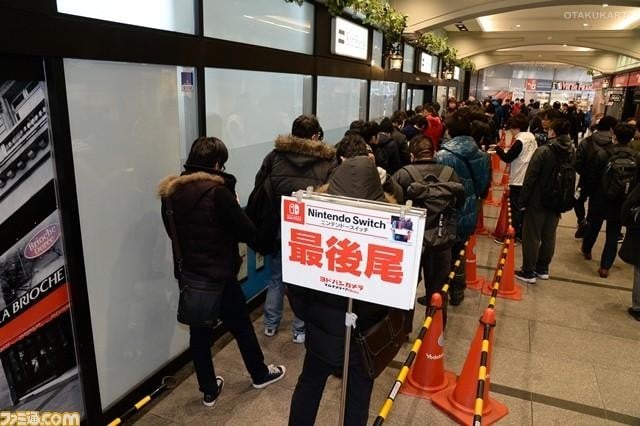
Early market signals appear to support Nintendo’s confidence. The Switch 2 has already posted strong sales in key regions, particularly in Japan, where demand surged following recent announcements. Retailers in some areas have reportedly introduced purchase limits, allowing only one console per customer due to high demand.
The company’s software lineup is also playing a key role in driving interest. Titles such as Pokémon Legends: Z-A, Donkey Kong Bananza, and Tomodachi Life: Living the Dream are expected to boost hardware adoption. In the United States, the latest Tomodachi Life entry generated strong early sales, reinforcing the appeal of Nintendo’s first-party titles.
While the console has yet to launch a system-defining blockbuster on the scale of The Legend of Zelda: Breath of the Wild, analysts believe the current lineup is strong enough to sustain momentum in the short term.
Rising Costs Lead to Price Adjustments
Despite strong demand, Nintendo is also facing challenges tied to rising production costs. The company has already announced a price increase in Japan, with a global adjustment expected to follow. The console’s price is projected to rise from $450 to approximately $500, reflecting higher component costs, particularly for memory and hardware parts.
Price increases can often slow demand, but analysts suggest Nintendo may be able to offset this impact. Serkan Toto noted that consumers typically adapt over time, adding that
“there are creative ways for Nintendo to soften the blow, such as with bundles.”
This suggests that while pricing pressure exists, it may not significantly derail the company’s broader sales ambitions.
The Missing Piece: A Major Flagship Title
Another factor influencing long-term performance is software attach rate, or the number of games sold per console. Early data indicate that the Switch 2 is not yet matching the original Switch in this area.
This gap highlights the importance of a major flagship release to drive engagement. Historically, titles like Super Mario and The Legend of Zelda have played a critical role in boosting both hardware sales and game purchases.
While no such release has been confirmed at the same scale yet, analysts remain optimistic about Nintendo’s ability to deliver a defining hit when needed.